World News
Deadly Earthquake Hits the Philippines: At Least 15 Killed, Hundreds Hurt, Tsunami Alerts Issued
A powerful 7.8 earthquake struck the Philippines, collapsing buildings, injuring hundreds, and killing at least 15 people. In the aftermath, tsunami alerts were issued across several Asian countries and even along parts of the U.S. West Coast.
- Shira Dabush
- | Updated
A 7.8-magnitude earthquake struck just before 7:40 a.m. local time near the island of Mindanao in the southern Philippines. Its strength was initially estimated at 8.2, but international monitoring centers later revised it to 7.8. The quake’s epicenter was near the coast of Sarangani province, not far from the city of General Santos.
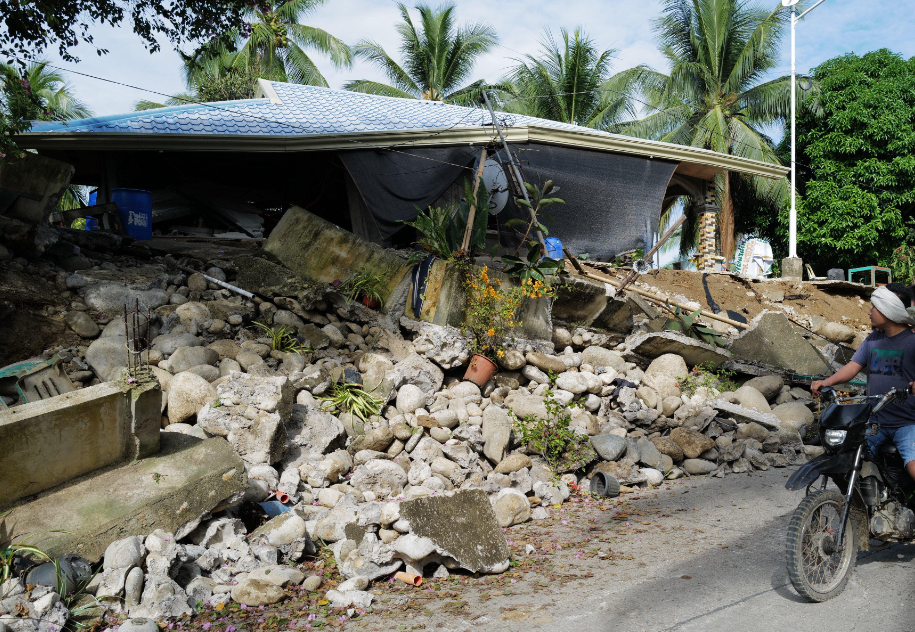
Footage shared on social media shows dramatic moments as buildings began to collapse under the powerful shaking. Among the incidents reported was the partial collapse of restaurants and commercial buildings in the General Santos area. Schools, shops, and other public buildings were also damaged, and students fled in panic.
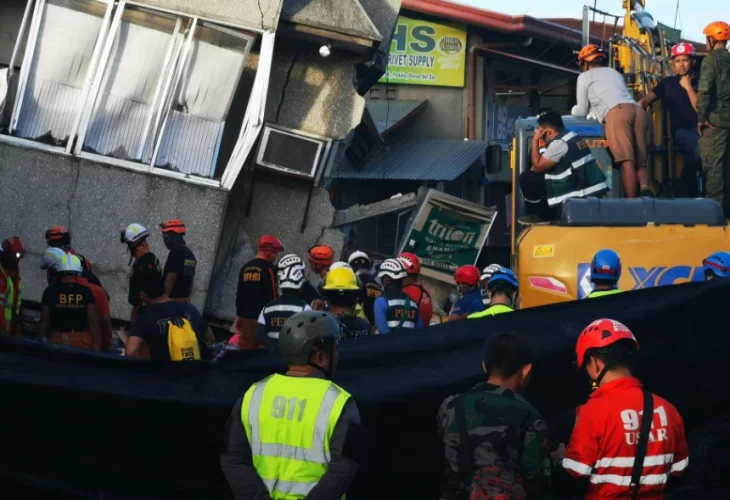
According to the latest reports, at least 15 people were killed and 129 were injured, most of them as a result of building collapses and falling heavy objects. Rescue operations are still underway, and there are concerns that the number of casualties could rise.
Tsunami Alerts Spread Across Multiple Countries
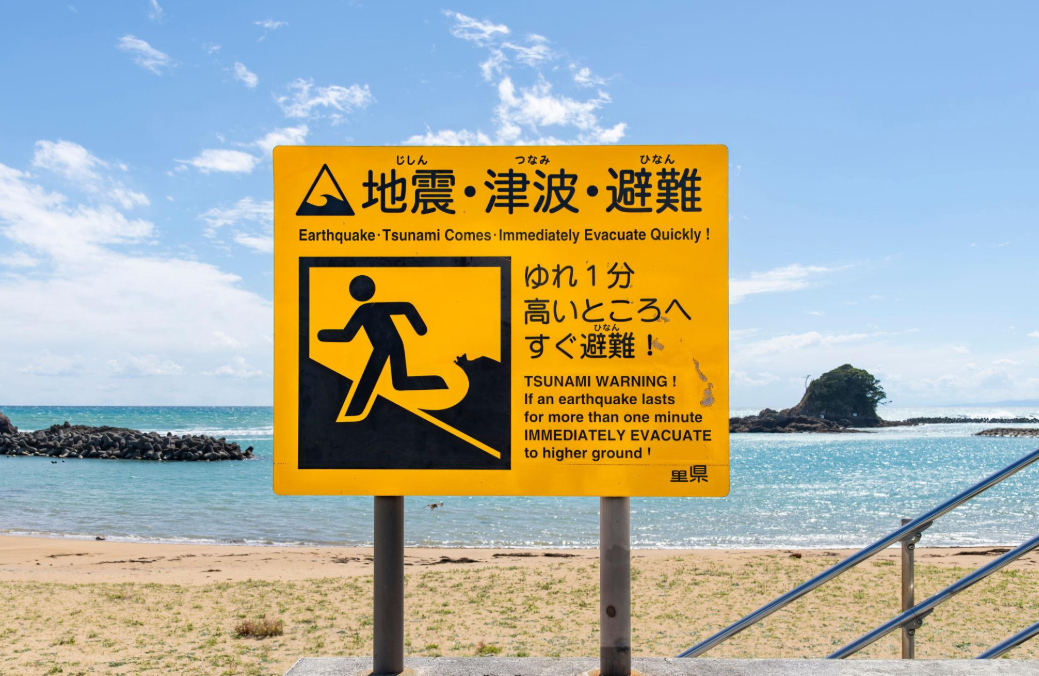
Immediately after the quake, tsunami alerts were issued in the Philippines, Indonesia, Japan, Palau, Taiwan, Papua New Guinea, and other parts of the Pacific. Emergency authorities along parts of the U.S. West Coast also monitored the situation closely out of concern that the effects could reach there as well.
Thousands of residents in coastal areas were told to evacuate to higher ground over fears of unusual waves. And while tsunami waves measuring about one to one and a half meters were recorded in some areas, there have so far been no major reports of deaths caused by the tsunami itself.
In addition, international warning centers later announced that the main tsunami danger had largely passed.