

Raising Children
What Children Remember: 7 Parenting Moments That Last a Lifetime
What will your children remember when they grow up? Research and experience suggest it's often the small moments that matter most.
- Tehila Cohen
- | Updated
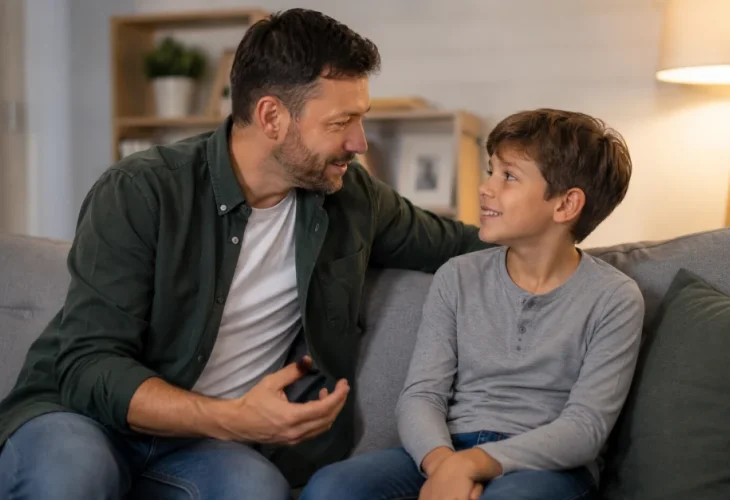
When parents think about the memories their children will carry into adulthood, they often imagine the big moments: family vacations, birthday celebrations, holidays, and special outings.
But research and life experience suggest something surprising.
More often than not, the memories that stay with children the longest are the small, everyday moments. The atmosphere in the home. The way their parents spoke to them. The attention they received when they needed it most.
These seemingly ordinary interactions help shape a child's sense of security, belonging, and self-worth, and often remain with them long after childhood ends.
Here are seven things children are especially likely to remember about their parents.
1. How You Made Them Feel
Children may not remember every conversation or every detail of a particular day, but they remember how they felt.
Did they feel loved?
Did they feel accepted?
Did they know they had someone to turn to when they were scared, disappointed, or overwhelmed?
Those emotional experiences become part of a child's inner world and influence how they view themselves and the people around them for years to come.
2. Whether You Truly Listened
In a busy world filled with distractions, one of the greatest gifts a parent can give is genuine attention.
Children remember the moments when a parent put down the phone, paused what they were doing, and listened.
When children feel heard, they learn that their thoughts, feelings, and experiences matter.
That sense of being valued can stay with them for a lifetime.
3. How You Responded to Their Mistakes
Every child makes mistakes. It's part of growing up.
What children tend to remember is not the mistake itself, but how their parents reacted to it.
Did they feel humiliated or ashamed?
Or did they feel supported and guided?
Parents who respond with patience, teaching, and encouragement help their children develop resilience and learn that mistakes are opportunities for growth rather than reasons for self-condemnation.
4. The Time You Spent Together
Children rarely measure love by the amount of money spent on them.
More often, they remember simple moments of connection.
A bedtime story.
A board game at the kitchen table.
A walk around the neighborhood.
A conversation during a car ride.
These everyday experiences communicate a powerful message:
"You are important to me."
5. The Way You Spoke About Yourself and Others
Children are constantly listening, even when it seems like they are not.
They notice how parents speak about family members, neighbors, coworkers, and friends.
They also pay attention to how parents speak about themselves.
A home filled with respect, kindness, gratitude, and positive communication teaches children how to build healthy relationships and how to treat themselves with compassion as well.
6. How You Handled Difficult Times
Life is full of challenges, disappointments, and unexpected setbacks.
Children often remember how their parents responded during those difficult moments.
This does not mean parents must always appear strong or have all the answers.
In fact, children benefit from seeing that adults face struggles too.
When parents model responsibility, perseverance, faith, and hope during hard times, they teach lessons that cannot be learned from words alone.
7. The Love You Showed Them
Not just whether you loved them, but whether they felt loved.
Children remember the hugs.
The encouraging words before a difficult test.
The proud smile after an accomplishment.
The reassuring hand on their shoulder.
The moments when they felt seen, valued, and cherished.
These small expressions of love help build a lasting sense of security and belonging that remains long after childhood has passed.
The Little Things Become the Big Things
As parents, it's easy to believe that the biggest events will have the greatest impact on our children.
Yet many of the memories that shape them most are created in ordinary moments.
The way we listen.
The way we encourage.
The way we respond when they struggle.
The way we make them feel loved.
These small actions, repeated day after day, are what become woven into a child's heart. And one day, those same memories may influence the way they build relationships and raise children of their own.

