

Israel News
Israel Set to Fund 61 Judea and Samaria Communities, But It Is Not an Overnight Decision
The reported plan would fund caravans and infrastructure for communities already moving through a months-long approval and regulation process
 Shutterstock
Israel’s cabinet is expected to approve more than $350 million over several years to fund the de facto establishment of 61 newly authorized Judea and Samaria communities, according to a new report by Axios journalist Barak Ravid.
At first glance, the number sounds dramatic. It can read as if Israel suddenly decided in one vote to create 61 new communities from nowhere. But the reported decision appears to be more specific: not the start of the policy, but the stage where earlier approvals begin turning into facts on the ground.
The distinction between “approved” and “built” matters. A community listed in a government decision or planning file is still mostly theoretical. A site with caravans, roads, electricity, water and public buildings is already becoming a real place.
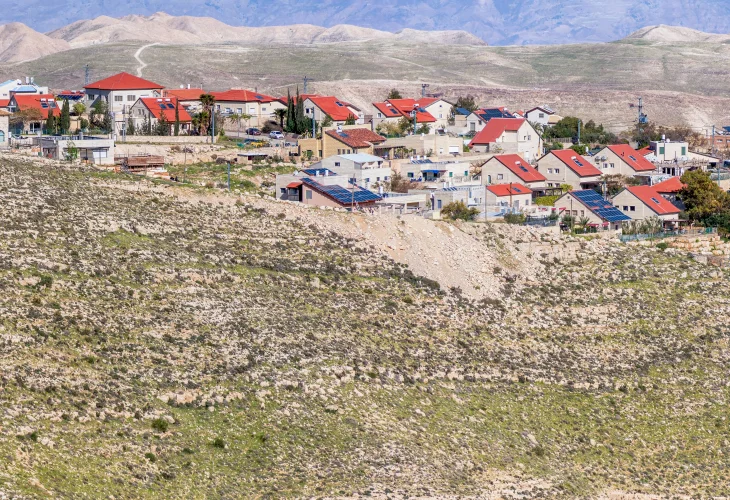
According to Ravid, the new plan would fund the move from paperwork to physical establishment. It would pay for temporary residential compounds, public facilities, infrastructure and support services for the 61 communities. The most unusual part is that some of the funding would begin before the full planning process is complete. That makes the report important, even if the communities were not all approved today.
But the move did not come from nowhere. Over the past year, the government has repeatedly advanced a broader Judea and Samaria policy: recognizing communities, regulating outposts, funding infrastructure, approving access roads and creating financial incentives for residents.
In December 2025, the cabinet approved 19 new communities in Judea and Samaria as part of a broader NIS 2.7 billion development package that included funding for recently approved communities, basic infrastructure and caravans. Each new community was set to receive around 20 caravans, allowing immediate residence and future expansion. In April 2026, i24NEWS reported that the security cabinet had secretly approved 34 more communities during the Iran war. According to the report, that brought the total number of approved communities to 103.
That model closely resembles the latest reported plan: temporary residential infrastructure first, with more permanent development to follow.
The government also moved forward in recent weeks on the practical framework needed to support those communities. On May 4, it approved more than NIS 1 billion for access roads and infrastructure to newly approved Judea and Samaria communities. On June 1, the government also approved a planning decision meant to help move newly recognized Judea and Samaria communities through the formal planning process. Days later, the Knesset approved tax benefits for communities in an “eastern confrontation line” area in Judea and Samaria.
Together, those steps show a wider policy track: not only approving communities, but preparing the roads, planning tools and financial framework needed to sustain them.
The geography is also central to the debate. The reported communities are tied to areas such as the Jordan Valley, northern Samaria, the South Chevron Hills, strategic roads and locations. These areas are vital for Israeli security, development and long-term control of Judea and Samaria.
Finance Minister Bezalel Smotrich has openly framed the broader push in strategic terms, previously saying the new homes would “strengthen our hold on the land, reinforce Israel’s security, and establish clear facts on the ground that prevent the creation of an Arab terror state in the heart of the country.”
That is also why international media are treating the report dramatically. Many foreign governments and international outlets view settlement expansion through the lens of annexation, Palestinian statehood and international law. Most of the international community considers Israeli communities in Judea and Samaria illegal. Israel disputes that position, citing historical, legal and security arguments regarding the territory.
Barak Ravid’s report is therefore important, but not because Israel suddenly discovered 61 new communities. The important part is that the government appears ready to fund the physical establishment of communities already moving through approval and bureaucracy, turning a months-long policy shift into visible development on the ground.

