

Home Styling
How to Deep-Clean Your Bed Pillows at Home
Learn how often to wash pillows, the best way to remove yellow stains, and expert tips for keeping them fresh, fluffy, and free from bacteria and mold
- Yitzchak Eitan
- | Updated
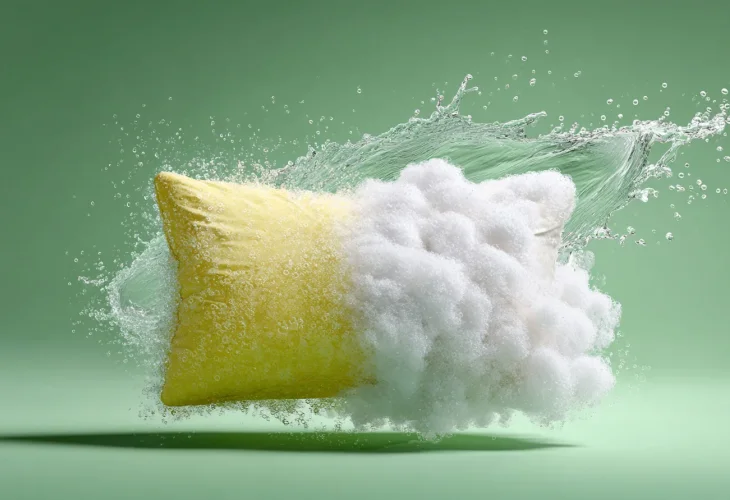
Changing your bed sheets is a regular part of most cleaning routines. However, many people overlook the item that remains in direct contact with their face for hours every night: the pillow itself.
Over time, pillows absorb significant amounts of sweat, body oils, and dead skin cells. These substances penetrate deep into the filling, creating an ideal environment for bacteria, stains, and unpleasant odors.
Why Pillows Need Regular Cleaning
According to Brandon Pleshek, a professional cleaning expert who runs the educational channel Clean That Up, pillows are among the most neglected items in the home.
To prevent the buildup of dirt and bacteria, Pleshek recommends washing pillows thoroughly every three to six months. He explains that the key to maintaining pillow quality is identifying the type of filling and treating stains properly before washing.
Check the Care Label First
Before cleaning any pillow, always check the manufacturer's care label.
Most synthetic and feather-filled pillows can be safely machine washed. However, memory foam pillows are a different story. Because memory foam can break down when exposed to water, these pillows should only be spot-cleaned using a damp cloth and a small amount of dish soap.
How to Remove Stains
For pillows that have developed yellow discoloration, pre-treatment is recommended.
Spray the stained areas generously with 3% hydrogen peroxide or an oxygen-based stain remover. Gently scrub with a soft brush and allow the solution to sit for about 30 minutes before washing.
Afterward, place the pillows in the washing machine with a mild, fragrance-free detergent and run a gentle cycle using cold water.
One of Pleshek's most important tips is to wash two pillows at the same time. This helps balance the load and prevents the machine from becoming unstable during the spin cycle.
The Most Important Step: Drying
Drying is arguably the most critical part of the process, as trapped moisture can lead to mold growth inside the pillow.
Pillows should be dried in a tumble dryer on a low-heat setting. To restore their fluffiness and prevent clumping, Pleshek recommends adding wool dryer balls or clean tennis balls to the dryer. These gently bounce against the pillow, separating the fibers and helping the filling maintain its shape.
How to Keep Pillows Cleaner for Longer
To extend the life of your pillows and reduce the buildup of dirt and oils, consider using a zippered pillow protector underneath your regular pillowcase.
This simple addition provides an extra barrier against sweat, body oils, and dust, helping your pillows stay fresher and cleaner between washes.
While most people remember to wash their sheets regularly, pillows often go years without proper cleaning. By washing them every three to six months, treating stains promptly, and ensuring they are thoroughly dried, you can create a cleaner, healthier sleeping environment and extend the life of your pillows.

