

Baking Recipes
Authentic Cheese Bouikos Recipe: Golden, Flaky, and Packed with Flavor
How to make traditional cheese bouikos with Bulgarian cheese, Kashkaval, and yogurt for a rich, savory pastry
- Debi Reichman
- | Updated
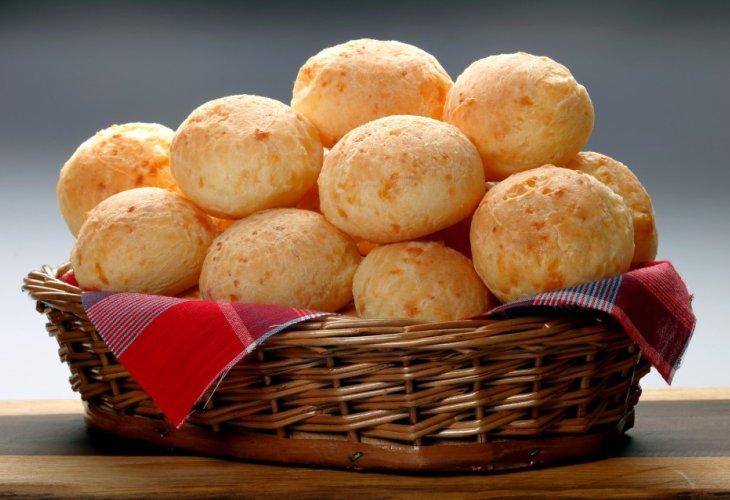 (Photo: shutterstock)
250 g (9 oz) Bulgarian cheese (feta-style cheese) 200 g (7 oz) Kashkaval cheese (can be substituted with mozzarella) 200 g (7 oz) butter or margarine 150 g (5 oz) 9% white cheese (farmer's cheese or soft white cheese) 3 cups all-purpose flour 1 packet baking powder (about 2 teaspoons) 1 egg 1 container plain yogurt A pinch of salt 1 egg, beaten Sesame seeds Place all the ingredients in a large bowl. Crumble the Bulgarian cheese and grate the Kashkaval cheese before adding them. Mix everything thoroughly until a uniform dough forms. Cover the bowl and refrigerate for 1 hour. Shape the mixture into balls and place them on a baking sheet lined with parchment paper, leaving plenty of space between each one. Brush each bouiko with beaten egg and sprinkle with sesame seeds. Bake in a preheated oven at high heat (about 220°C / 425°F) for approximately 20 minutes, or until golden brown. Serve warm or at room temperature.Ingredients
For Topping
Instructions
Storage: These bouikos freeze well and can be stored in the freezer for later use.
Important Halachic Note
The Talmud (Pesachim 36a) teaches that our Sages prohibited kneading bread dough with milk because there is a concern that people may not realize the bread is dairy and could mistakenly eat it together with meat, as they normally would with regular bread.
This ruling is codified by all major halachic authorities and by Rabbi Yosef Karo in the Shulchan Aruch (Yoreh De’ah 97). According to halacha, it is generally forbidden to bake bread containing milk or dairy ingredients if it resembles ordinary bread. If such bread is baked, it may not be eaten, even on its own.
However, the classic authorities explain two exceptions:
1. A Small Quantity
If only a very small amount is baked — enough to be consumed quickly, the concern of confusion is greatly reduced, and it is permitted.
2. A Distinctive Shape
If the bread or pastry is made in a unique and recognizable shape that clearly indicates it is dairy, it is also permitted. This visual distinction serves as a reminder not to eat it with meat.
As a practical example, halacha generally discourages commercial bakeries from producing dairy rolls made with milk or yogurt unless they have a distinctive appearance. Similarly, when baking at home, either a small quantity should be made, or the baked goods should have a clearly recognizable shape.

