

Magazine
He Couldn't Afford to Remove His Tattoos. So He Did It Himself
After becoming religious, Liran Rothstein wanted to remove his tattoos. What began as a personal journey turned into a mission to help thousands of others.
- Michal Arieli
- | Updated
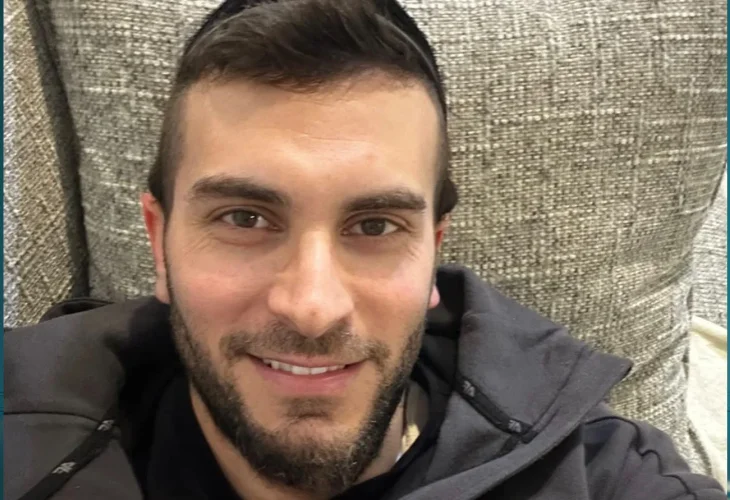 Liran Rothstein
Eleven years ago, Liran Rothstein made a life-changing decision. After becoming religious and beginning his studies at Rabbi Zamir Cohen's yeshivah in Beitar Illit, he found himself facing a challenge that many people around him never expected: his body was covered in tattoos.
Outwardly, he looked like any other yeshivah student. But beneath his clothing were tattoos he had accumulated over the years, reminders of a very different chapter in his life. As he grew closer to Torah and mitzvot, he began feeling increasingly uncomfortable with them and started searching for a way to remove them. What he discovered ultimately led him to establish a unique tattoo-removal clinic that has since helped thousands of people from every background.
A Personal Struggle
"I would go to synagogues and mikvahs, and I felt embarrassed," Rothstein recalls. "I understood the seriousness of the issue, and I knew I wanted to remove the tattoos."
At the time, he was just 28 years old. Determined to begin the process, he contacted tattoo-removal clinics, only to discover that the costs were staggering.
"The prices were unbelievable," he says. "For someone with tattoos covering much of his body, it was simply impossible. But at the same time, I knew I no longer wanted to live with them."
Faced with that reality, Rothstein made an unusual decision. Instead of paying for treatments he could not afford, he purchased a laser removal machine and began removing the tattoos himself.
From Personal Mission to Public Service
Today, more than a decade later, Rothstein operates a professional tattoo and permanent makeup removal clinic in Rosh HaAyin.
The clinic uses advanced laser technology designed to significantly reduce discomfort during treatment. A female practitioner is also available for women seeking treatment.
The machine he uses today is far more advanced than the one he first purchased.
"My original machine was much simpler," he says. "But with siyata d'Shmaya, I succeeded in removing all the tattoos that had bothered me for so many years."
After completing his own treatments, Rothstein felt compelled to help others.
"At first, I did it for free," he says. "Eventually, I needed to cover costs and make a living, but I always wanted to keep prices affordable."
Word quickly spread.
People from every sector of Israeli society began contacting him. Some were young adults regretting impulsive decisions. Others had carried tattoos for decades.
One client, a 75-year-old man, had been living with his tattoos since the age of 30.
"He told me he had dreamed of removing them for years but was terrified of the pain," Rothstein says. "In the end, because the ink had faded over time, the process was much easier than he expected. Within two treatments, the tattoos were gone."
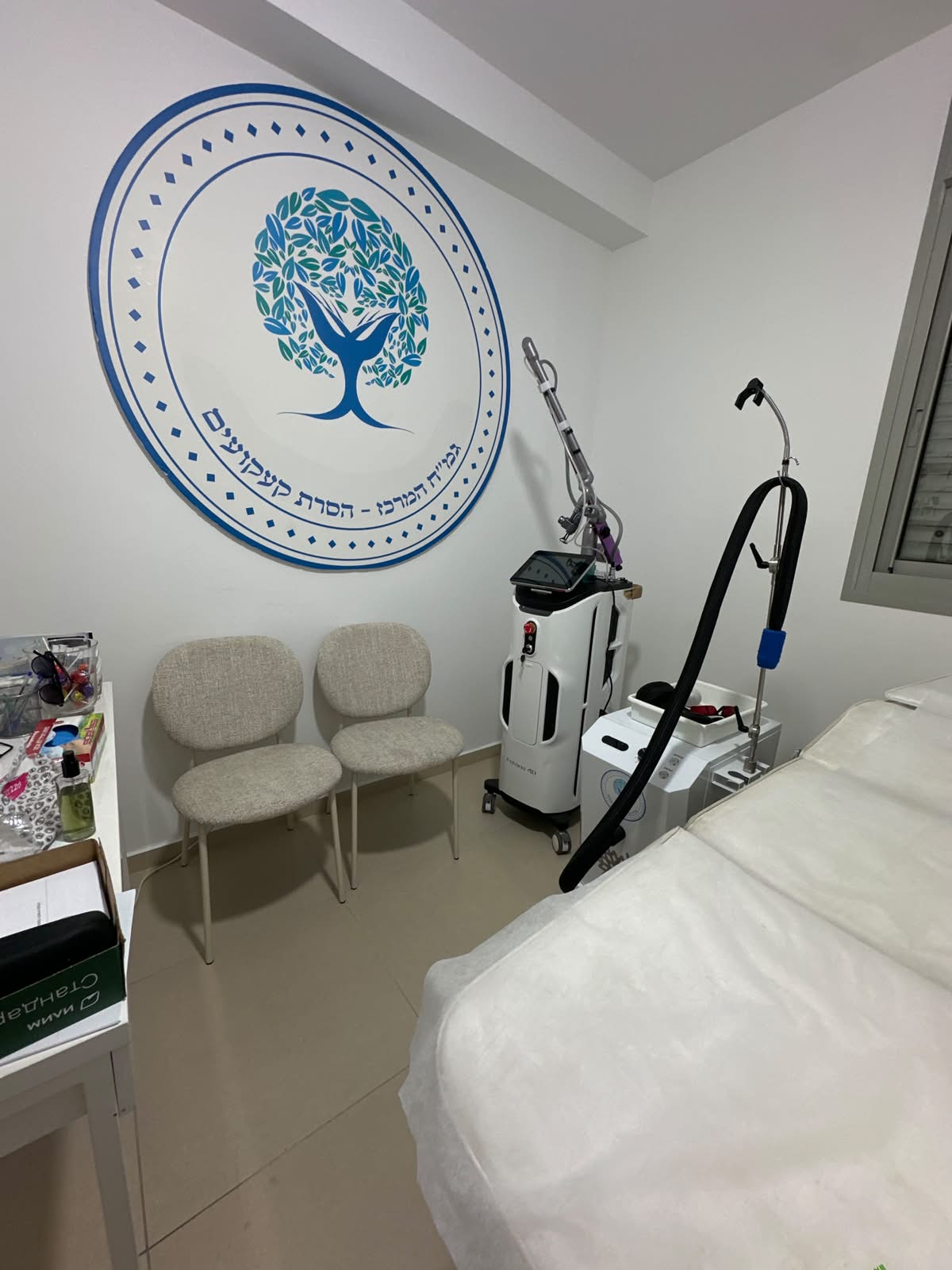 Liran opened a tattoo removal clinic
Why Is Tattoo Removal So Expensive?
As demand grew, Rothstein began investigating tattoo-removal pricing throughout Israel.
"I checked several major clinics using the same technology," he says. "The prices were dramatically higher than what I charge."
According to Rothstein, the lack of regulation allows providers to set virtually any price they choose.
He believes that tattoo removal is often viewed as a cosmetic procedure rather than something with broader health implications.
"I wanted to create something closer to a gemach model," he explains. "I try to keep prices accessible so people who truly want treatment can receive it."
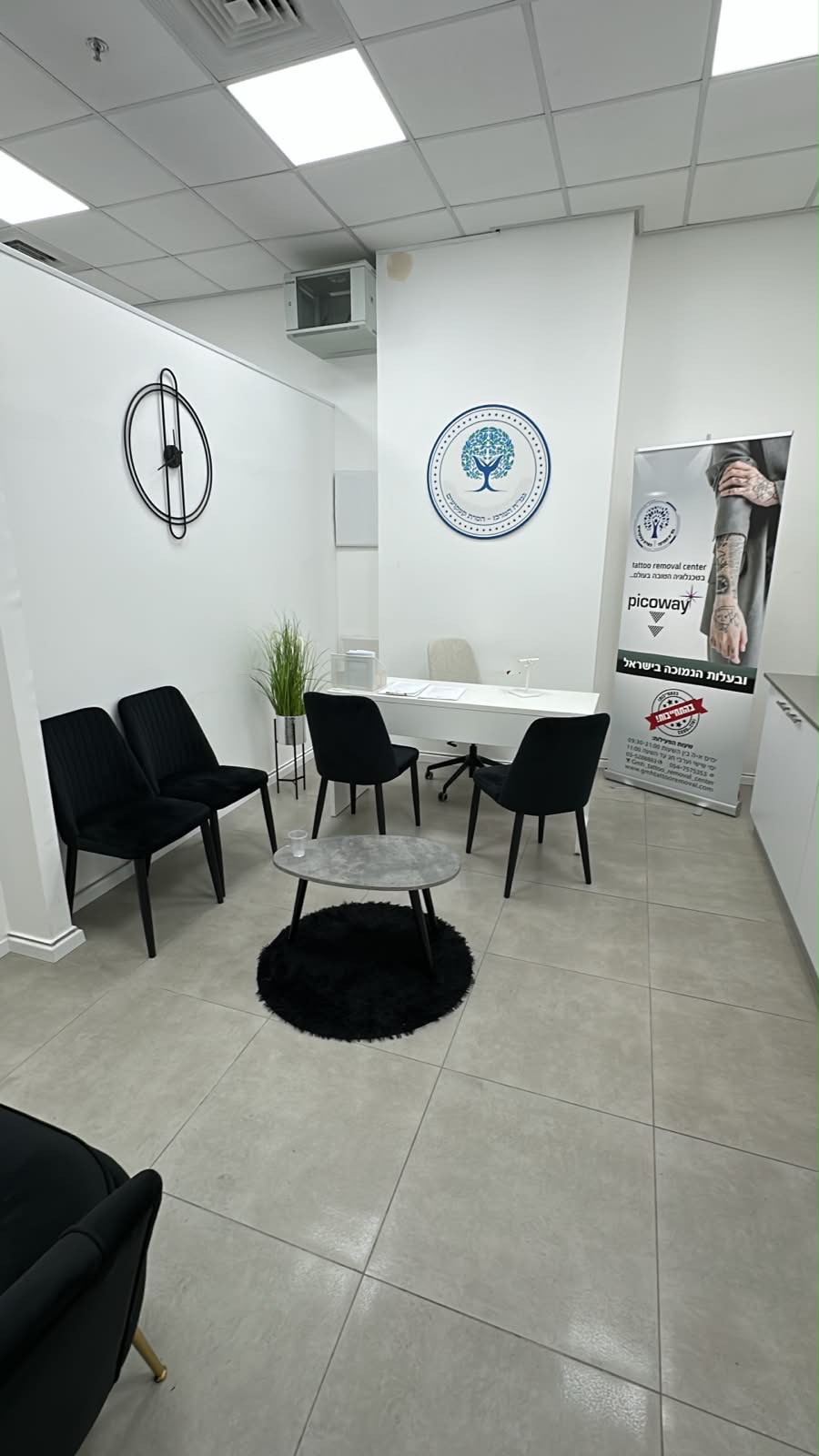 Liran's clinic in Rosh HaAyin, Israel
The Health Concerns People Rarely Discuss
Over the years, Rothstein's clientele expanded far beyond people who had become religious.
Many simply regretted their tattoos. Others wanted to remove names, symbols, or designs that no longer reflected who they were.
Increasingly, however, he found that people were becoming interested in the health side of the discussion.
"I don't only remove tattoos," he says. "I also explain why it's worth thinking carefully before getting one."
Rothstein points to research examining the substances found in tattoo inks, including various pigments and metals that remain in the body for years.
He believes many people are unaware of what is actually being injected into their skin.
"When people understand what's involved, it often changes the way they look at tattoos," he says.
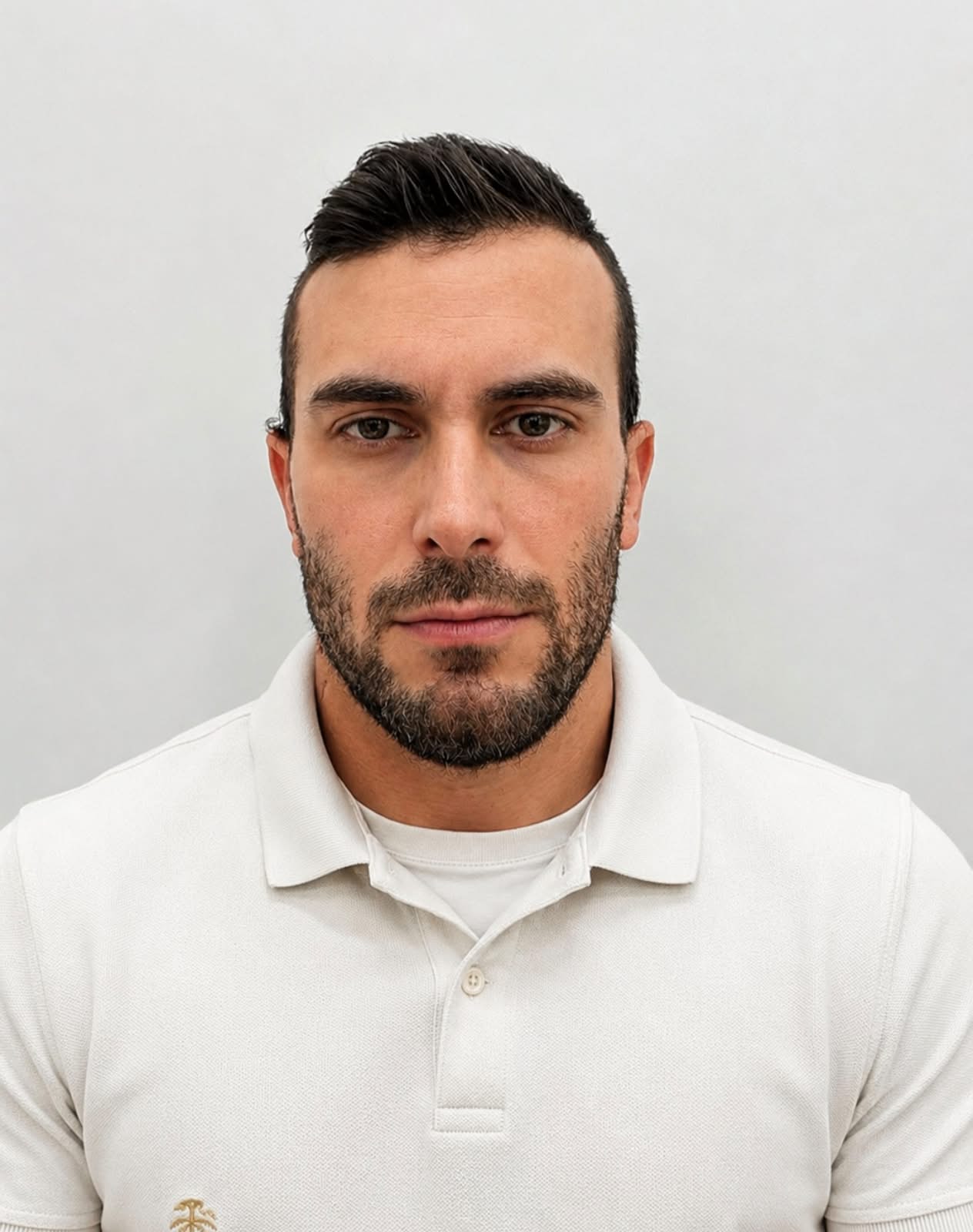 Liran Rothstein
Conversations Beyond Tattoos
One of the more unexpected aspects of Rothstein's work is the wide range of people he meets every day.
Many arrive with little connection to religious life. Yet he says conversations often develop naturally.
"People open up," he explains. "Sometimes they ask questions about faith, life, or spirituality."
One client in particular left a lasting impression.
The man worked as a professional tattoo artist and originally came seeking help with a tattoo correction. Over time, the two developed a friendship.
Following the events of October 7, the client began searching for deeper meaning and spiritual direction.
"We spoke a lot about faith and personal growth," Rothstein recalls.
Eventually, the man chose to leave the tattoo industry entirely and pursue a different profession.
"For me, that was incredibly moving," says Rothstein. "Not because I convinced him of anything, but because he chose a new direction that felt right to him."
The Message He Wants Everyone to Hear
Rothstein is careful not to force religious discussions on anyone who is not interested.
"I believe there is a time to speak and a time to stay silent," he says. "Every person is different."
Still, there is one message he shares whenever possible.
"The best tattoo removal is not getting a tattoo in the first place."
He understands better than most how easy it is to make a decision in a moment of emotion.
"Sometimes it's something that feels right at the time," he says. "But years later, many people wish they had made a different choice."
After helping countless clients remove tattoos from their skin, Rothstein hopes others can avoid the regret altogether.
"If someone is thinking about getting a tattoo," he says, "I would encourage them to pause and think carefully. A decision that takes a few minutes can stay with you for a lifetime."

