

Home Styling
Buying an Oven for a Large Family? Read This First
Before buying a new oven, consider these practical tips for large families, frequent hosts, and anyone who spends serious time in the kitchen.
- Content Marketing
- | Updated
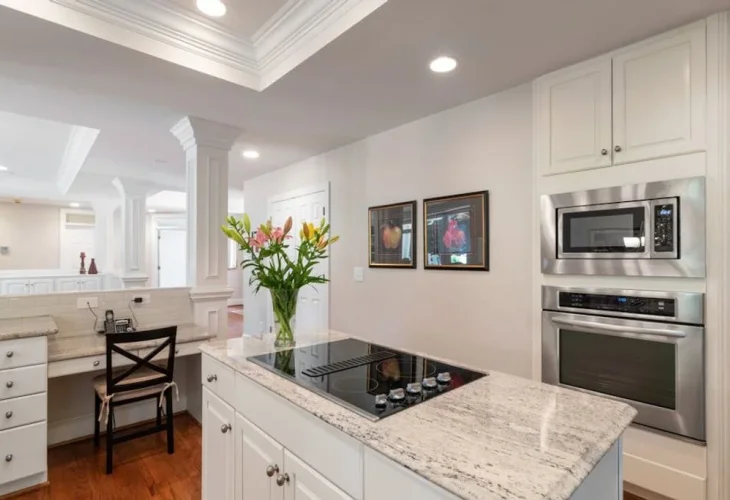 Kitchen • PEXELS
There are kitchens where the oven is used once a week, and there are kitchens where it barely has time to cool down. A tray of chicken, roasted vegetables, challah, a cake for Shabbat, kugel, fish, pastries for the kids, and one more dish added at the last minute because unexpected guests are coming.
In homes like these, the oven is much more than another kitchen appliance. It becomes part of the family's daily rhythm.
That is why choosing an oven for a large family, or for a home that hosts often, requires a different approach. It is not enough to focus on appearance, brand, or whether it matches the kitchen cabinets. The real questions are much more practical: How much food can it hold? Can it handle multiple dishes at once? Is it easy to access heavy trays? And does it support the demands of Shabbat, holidays, and frequent family meals?
How Much Oven Space Do You Really Need?
Many ovens look spacious from the outside but offer less usable space than expected.
For larger households, interior capacity is important, but it is not the only factor worth considering. Pay attention to the number of rack positions, the spacing between them, the size of the trays the oven can accommodate, and whether multiple trays can cook evenly at the same time.
Before purchasing, think about how you actually cook.
Do you regularly bake challah? Use large disposable pans? Roast several trays of vegetables at once? Need enough room for a large chicken pan and side dishes simultaneously?
These practical considerations often matter far more than extra cooking programs that may never be used.
A family sized oven should support a continuous workflow. Instead of cooking one dish at a time, waiting, and starting again, it should help keep the kitchen moving efficiently.
Why Two Oven Compartments Can Make a Difference
For many busy households, a dual compartment oven is worth considering.
The biggest advantage is flexibility. One compartment can be used for baking while the other handles roasting or reheating. Different dishes can cook at different temperatures without interfering with one another.
For families preparing large Shabbat and holiday meals, this can completely transform the cooking process.
Instead of deciding which dish must wait its turn, several dishes can be prepared simultaneously. Challah can bake while the main course roasts. Cakes can be prepared without absorbing strong cooking aromas. The entire kitchen becomes more organized and less stressful.
Not every family needs a double oven, but households that cook extensively, host frequently, or spend hours preparing meals before Shabbat should strongly consider the option during the kitchen planning stage.
The Importance of Oven Placement
The location of the oven can be just as important as the model itself.
An oven positioned too low, far from the work surface, or in a busy traffic area can make everyday cooking far less convenient. When removing a heavy tray, you need a nearby surface to place it on safely. When checking baked goods, you want a clear view without excessive bending or reaching.
That is why many families today choose to install a built in oven within a tall cabinet at a comfortable working height. Combined with nearby drawers for trays and baking tools, the oven becomes part of a well organized workstation rather than simply another appliance.
The ideal location depends on the household's habits. Frequent bakers may prefer the oven near the preparation area, while families that cook large meals may benefit from generous counter space nearby.
Safety and ease of movement should also be considered, especially in homes where children, guests, and multiple family members are often moving through the kitchen.
The Real Test: Shabbat and Holiday Cooking
One of the best ways to evaluate an oven is to imagine your busiest cooking day.
Think about Thursday night, Friday afternoon, holiday preparations, or large family gatherings.
How many trays need to go into the oven? Do different dishes require different temperatures? Will baked goods need an odor free environment? Is there enough room to manage everything comfortably?
An oven that performs well under peak demand will almost always feel spacious and efficient during the rest of the week.
The opposite is not always true. An oven that seems adequate on a regular day can quickly become a bottleneck when preparing multiple dishes at once.
Simplicity Matters More Than Extra Features
In many homes, the oven is used by more than one person. Parents, older children, relatives helping in the kitchen, and even guests may all use it from time to time.
For that reason, ease of use is a major advantage.
While advanced features can be helpful, a clear control panel, accurate temperature settings, strong interior lighting, smooth sliding racks, and easy maintenance are often more valuable than dozens of complicated cooking modes.
Cleaning is another important consideration. In busy kitchens, spills, splatters, and crumbs are unavoidable. Before purchasing, check how easy it is to remove the racks, clean the door, access corners, and maintain the oven over the long term.
Family Size Is Not the Only Factor
The number of people in the household does not always tell the whole story.
Some smaller families host large gatherings every week. Some larger families cook simple meals with minimal oven use.
The better question is how much food moves through the kitchen.
A home that prepares meals in bulk requires different features than one that cooks small portions daily. A family that regularly bakes challah, cakes, and pastries will have different needs from one that mainly roasts meat and vegetables.
The most common mistake is choosing an oven based on what friends, neighbors, or relatives have. The best choice is the one that matches your household's actual cooking habits.
How to Know You've Found the Right Oven
The right oven should never feel like a limitation.
There should be enough room for trays, easy access to dishes, intuitive controls, and a layout that supports the flow of the kitchen.
Before making a decision, ask yourself:
- How many times per week is the oven used?
- How many trays need to fit inside on busy days?
- Would two compartments be helpful?
- Do you bake often or mainly roast?
- Can the oven be installed at a comfortable height?
- Is there nearby counter space for hot trays?
- Will everyone who uses it find it easy to operate?
These questions may not be as exciting as comparing technical specifications, but they are often the factors that determine long term satisfaction.
A Good Oven Makes Life Easier
In a busy family kitchen, the best appliances are the ones that reduce stress.
The right oven helps meals come together smoothly, allows multiple dishes to cook at once, and makes preparing for Shabbat, holidays, and family gatherings far more manageable.
Ultimately, an oven should not be chosen based on an average weekday. It should be chosen for those moments when the house is full, the kitchen is busy, and time is limited.
When an oven truly matches a family's lifestyle, it becomes much more than an appliance. It becomes a reliable partner in the heart of the home.

