

Home Styling
5 Warning Signs Your Houseplant Is Stressed and How to Help It Recover
Learn how to recognize the most common signs of plant stress and restore your indoor plants to health
- Shira Dabush
- | Updated
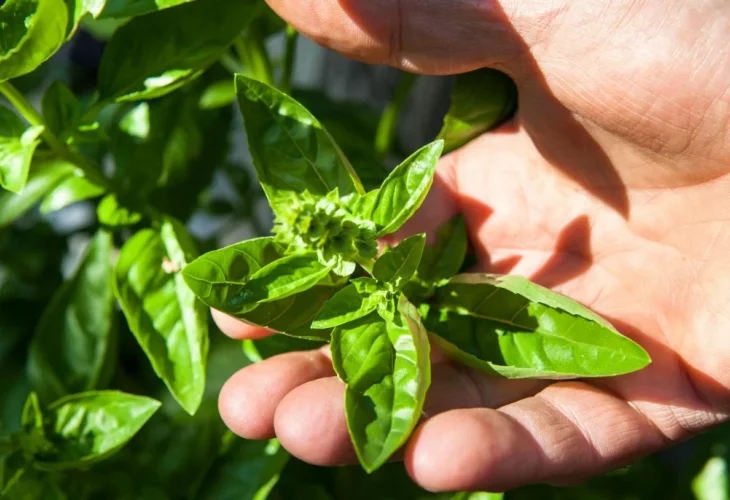
There is something incredibly calming about a green plant. In fact, it's hard for me to imagine a home without any plants at all.
In my house, they are scattered throughout almost every room: in the living room, on a shelf in the kitchen, and even in my office. Yet there are plenty of times when I realize I've forgotten to water them, and they begin to show signs of distress.
Anyone who studies plants in depth knows that plants, much like humans, experience stress. The difference is that plants cannot tell us what is bothering them. The only way to understand when something is wrong is to learn about their world and recognize the changes they go through.
Following are some of the most common signs of plant stress recognized by biologists:
Yellowing Leaves
Yellow leaves are one of the most common indicators that a plant is struggling.
What causes leaves to turn yellow?
Sometimes it is the result of overwatering, which can lead to root rot. Other times, the problem is underwatering. Insufficient light or nutrient deficiencies can also cause leaves to lose their healthy green color and turn yellow.
Brown, Dry Leaf Tips
When the tips of leaves begin to dry out and turn brown, the air in the home may be too dry, especially during the winter months or in air-conditioned rooms.
Irregular watering can also contribute to this problem.
Leaf Drop
If a plant starts shedding leaves at an unusual rate, it may be reacting to a sudden environmental change.
Moving it to a new location, changes in temperature, or exposure to strong drafts can all trigger stress and cause leaves to fall.
Slow Growth or No Growth at All
A healthy plant continues to produce new leaves and growth.
When growth slows dramatically or stops altogether, the plant may need more light, appropriate fertilization, or a larger pot with additional room for its roots.
Wilting
Drooping, limp leaves are a clear sign that a plant is under stress.
Before reaching for the watering can, however, it's important to check the soil. Both overwatering and underwatering can produce the same wilting appearance.
How To Help a Stressed Plant Recover
The first step is identifying the source of the problem.
Check the amount of light the plant receives, your watering schedule, the condition of the soil, and the room temperature. In most cases, a small adjustment to the plant's environment can help it recover and return to healthy growth.
Just like people, our plants need regular attention. Taking a few minutes each week to check on them can help you spot signs of stress early and ensure they continue to thrive for years to come.

