

The Ninth of Av (Tisha B'Av)
25 Essential Tisha B'Av Halachot Everyone Should Know
Preparing for Tisha B'Av? This practical guide covers the key laws and customs of the day, including prayer, mourning practices, and what is permitted after the fast.
- Rabbi Yaron Ashkenazi
- | Updated
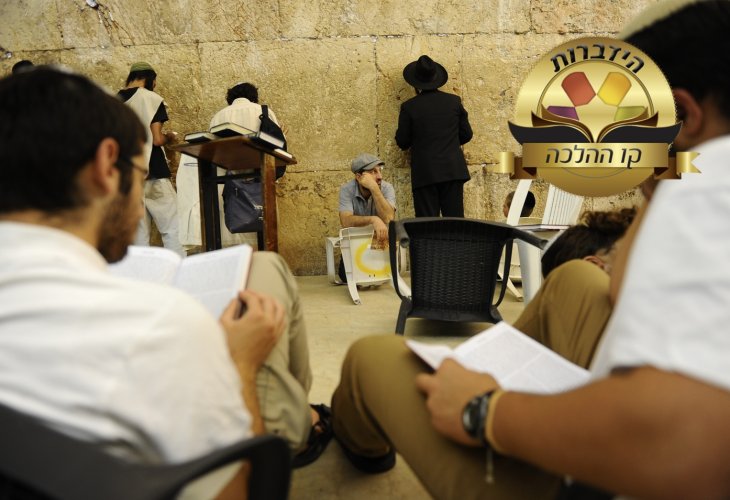 (Photo: Flash90)
Tisha B'Av is the saddest day on the Jewish calendar, commemorating the destruction of both Batei Mikdash and many other tragedies that befell the Jewish people throughout history. The day is observed with fasting and mourning practices that help us reflect on what was lost and strengthen our yearning for the rebuilding of Jerusalem.
Here are 25 important halachot and customs to know for Tisha B'Av.
The Basic Prohibitions of Tisha B'Av
On Tisha B'Av, eating and drinking, washing, anointing, wearing leather shoes, and marital relations are forbidden.
Our sages teach that whoever mourns for Jerusalem will merit seeing its future joy, as it is written: "Rejoice with Jerusalem and be glad with her, all who love her; rejoice with her in joy, all who mourn for her."
Torah Study
Regular Torah study is forbidden on Tisha B'Av because Torah gladdens the heart, as it says: "The precepts of Hashem are upright, gladdening the heart."
However, it is permitted to study subjects connected to mourning and destruction, including the Book of Job, the passages of Jeremiah that deal with tragedy and rebuke, Midrash Eichah, the laws of mourning, tractate Moed Katan, chapter Elu Megalchin, and the destruction narratives found in tractate Gittin. Verses and teachings of consolation should be skipped.
Someone who regularly studies Chok L'Yisrael should not study it on Tisha B'Av.
Ideally, Psalms should not be recited on Tisha B'Av. However, those who are lenient have authorities upon whom to rely. Someone who cannot study the permitted topics may read Psalms. Likewise, a person who regularly recites Psalms as part of a fixed daily practice may continue doing so (Chazon Ovadia, p. 311).
A person who regularly smokes and experiences significant discomfort without it may smoke privately on Tisha B'Av, but not publicly. Special care should be taken not to smoke during the reading of Eichah or the recitation of kinot.
It is permitted to study ethical and inspirational works that encourage repentance and spiritual growth.
Washing
Washing for pleasure is forbidden, even with cold water.
Upon waking in the morning, hands should be washed only up to the knuckles, and the blessing Al Netilat Yadayim is recited as usual.
After drying the hands, while the fingers are still slightly damp, one may pass them over the eyes. If additional cleaning is needed because of dirt or discharge around the eyes, washing is permitted.
If the hands become dirty from mud, dirt, or other unclean substances, they may be washed as needed to remove the dirt.
Someone preparing food may wash fruits, vegetables, and other ingredients as necessary. Likewise, a baby may be washed when needed for cleanliness.
Kohanim wash their hands normally before Birkat Kohanim.
Someone who is permitted to eat on Tisha B'Av, such as a sick person or young child, washes their hands before eating bread as usual.
Anointing and Fragrances
Applying oils, creams, or lotions for pleasure is forbidden. Products used for medical purposes are permitted.
Using perfume, cologne, or scented products solely for enjoyment is prohibited. However, deodorant used to prevent or remove unpleasant odor is permitted.
Prayer and Tefillin
All of the morning blessings are recited, including the blessing "Who has provided me with all my needs," in accordance with the ruling of Maran Rabbi Ovadia Yosef zt"l.
The Jerusalem custom is to wear tallit and tefillin during Shacharit, as on every other day of the year, and to recite Shema and the Amidah while wearing them.
Afterward, Rabbeinu Tam tefillin are put on and Shema is recited again.
The custom among many Moroccan and Ashkenazi communities is to put on tefillin only at Minchah.
General Guidelines
The custom is not to cook or prepare the post-fast meal until after midday.
Greeting people in the usual cheerful manner is discouraged on Tisha B'Av. If someone greets you, you may respond quietly and respectfully. Although saying "good morning" is technically permitted, it is preferable to avoid it.
One should avoid outings and recreational activities that may lead to excessive enjoyment, laughter, or frivolity.
Until midday, the custom is to sit on the floor or on a low stool. After midday, it is customary to sit on regular chairs.
Shoes
Leather shoes may not be worn on Tisha B'Av, including shoes that are partially made of leather.
Shoes made from fabric, rubber, plastic, or other materials are permitted, even if they resemble leather.
Children who have not yet reached bar or bat mitzvah age may wear leather shoes. Nevertheless, it is preferable to educate them to wear non-leather footwear on Tisha B'Av.
After the Fast
Regarding bathing, laundry, and haircuts after the fast:
Sephardim may resume these activities immediately after Tisha B'Av ends.
Ashkenazim customarily wait until midday on the 10th of Av.
Eating meat and reciting Shehecheyanu are permitted only on the night following the 10th of Av for both Sephardim and Ashkenazim.
When Tisha B'Av is postponed and observed on the 10th of Av, all opinions agree that bathing, laundry, haircuts, and reciting Shehecheyanu become permitted immediately when the fast ends.

