

The Ninth of Av (Tisha B'Av)
How to Prepare for Tisha B'Av: Practical Tips for an Easier Fast
From hydration and nutrition to prayer and reflection, these practical tips can help make Tisha B'Av easier, more meaningful, and more spiritually uplifting.
- Shira Priant
- | Updated
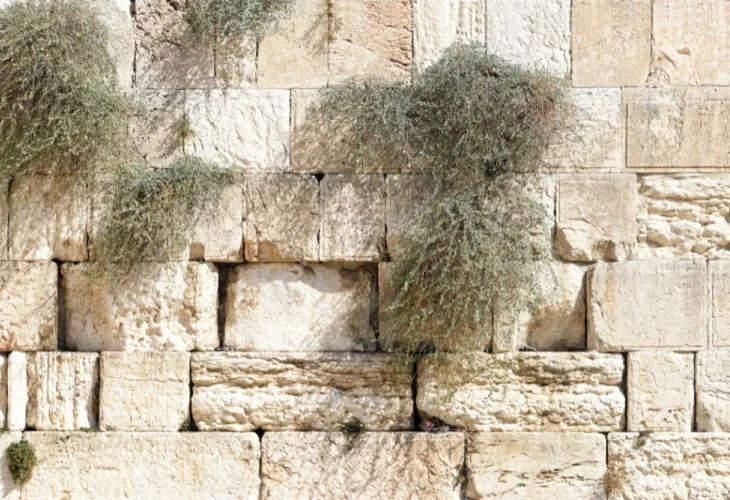
Tisha B'Av is the most severe of the four rabbinic fast days that commemorate the destruction of the Beit HaMikdash. It marks the culmination of the Three Weeks and the Nine Days, a period of mourning over the many tragedies that have befallen the Jewish people throughout history.
This year, Tisha B'Av begins on the evening of Wednesday, July 22, 2026, and continues through Thursday, July 23, 2026, ending after nightfall. As we prepare for this important day of fasting, mourning, prayer, and reflection, a little preparation can go a long way toward making the fast easier and more meaningful.
Prepare Your Body Before the Fast
A successful fast begins before Tisha B'Av starts.
In the days leading up to the fast, try to drink plenty of water and stay well hydrated. Many people only think about hydration during the final meal, but building up your fluid intake over several days is far more effective.
It's also a good idea to eat balanced meals that include complex carbohydrates, protein, and healthy fats. These foods provide longer-lasting energy and help reduce feelings of hunger during the fast.
If you're used to drinking several cups of coffee or caffeinated beverages each day, consider gradually reducing your intake beforehand. Sudden caffeine withdrawal can lead to headaches that make the fast significantly more difficult.
Likewise, limiting very salty foods can help reduce thirst during the fast itself.
Create a Comfortable Environment
Since Tisha B'Av is already physically challenging, there's no need to make it harder than necessary.
If possible, spend time in a cool environment, especially during the hottest hours of the day. Excessive heat can increase dehydration and make fasting much more difficult.
Try to get enough sleep beforehand and avoid unnecessary physical exertion. Conserving your energy allows you to focus on the purpose of the day rather than simply struggling through it.
Focus on the Meaning of the Day
The purpose of Tisha B'Av is not merely to abstain from food and drink. The fast is meant to help us reflect on the destruction of the Beit HaMikdash, the causes that led to it, and our responsibility to improve ourselves.
Set aside time to read Eichah (Lamentations), learn about the destruction of Jerusalem, or study the sections of Torah that are permitted on Tisha B'Av.
Prayer and personal reflection can also help transform the day from a physical challenge into a meaningful spiritual experience.
Many people find that when they are focused on the significance of the day, the hours of the fast pass more easily.
Break the Fast Gradually
When the fast ends, it is best not to rush into a large meal.
Start with water and light foods that are easy on the stomach. Soup, fruit, and other simple foods can help your body readjust after many hours without food or drink.
Once you've had a chance to rehydrate, you can enjoy a more substantial meal and gradually replenish your energy.
Don't Go Through It Alone
There is something powerful about experiencing Tisha B'Av together with the Jewish people.
Attending prayers, listening to Eichah and kinot, learning with others, or simply spending time around family and friends who are observing the fast can make the day feel more meaningful and less isolating.
Tisha B'Av is ultimately not only about mourning what was lost, but also about strengthening our hope for what will one day be rebuilt.
May we merit to see the rebuilding of Jerusalem and the Beit HaMikdash, and may this be the last Tisha B'Av observed in mourning.

