

Between the Straits (The Three Weeks)
How to Connect to the Three Weeks: Understanding the Pain of Exile and the Loss of the Beit HaMikdash
Deepen your connection to the Three Weeks and Tisha B'Av through mourning customs, learning about the destruction of the Holy Temple, and developing a heartfelt longing for redemption and the rebuilding of Jerusalem
- Shuli Shmueli
- | Updated
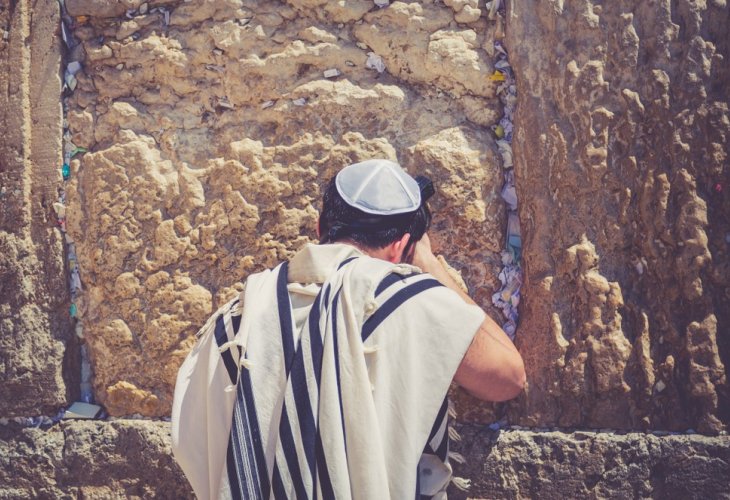 (Photo: shutterstock)
For nearly two thousand years, we have lived without the Beit HaMikdash. Jerusalem mourns, and the spirit of life that once flowed through her has been diminished. The Holy Temple was the place that connected Heaven and Earth, linking the Jewish people with their Father in Heaven. God's presence was tangible there. The living, vibrant connection to Him was revealed before the eyes of the pilgrims who ascended to Jerusalem.
Today, however, an iron barrier seems to separate us. The hardships of exile surround us on every side. We see Jews who are distant from God, children growing up in our own land without knowing the words engraved upon the heart of the Jewish nation — "Shema Yisrael, Hashem Elokeinu, Hashem Echad." We witness division among our people, antisemitism, wars and terrorism, poverty and illness, bereaved mothers, widows, and orphans. We see families breaking apart, children of divorced parents struggling with painful realities, and even hostility toward Torah-observant Jews from within our own nation.
These are all manifestations of exile.
They are the consequences of distance — distance from our Creator and distance from the purpose and mission that God desires for us. Because of this separation, we have not yet merited the rebuilding of our Holy Temple.
For this, the Divine Presence weeps in the dust.
If your heart has not yet fully opened to the pain of exile and the loss of the Beit HaMikdash, following are several ways to connect more deeply to the spirit of the Three Weeks.
1. Observe the Customs of Mourning
The first step in connecting to the sorrow of exile and destruction is to observe the mourning practices associated with this period.
These customs help a person internalize the meaning of these days. As Sefer HaChinuch teaches, "The heart is drawn after actions." External actions have the power to awaken inner emotions and influence our spiritual awareness.
It is difficult to truly feel the loss of the Temple while simultaneously listening to upbeat music, purchasing new clothing, or redecorating one's home. The mourning practices create a framework that helps us experience the reality of what has been lost and what we continue to await.
2. Study About the Destruction and Exile
One of the most effective ways to connect with the atmosphere of the Three Weeks is through learning.
Reading books and articles about the destruction of the Beit HaMikdash, the exile of the Jewish people, and the challenges endured throughout Jewish history can bring these events to life and deepen our emotional connection to them.
Recommended works include lectures and writings on exile and consolation, historical accounts of the destruction based on the teachings of the Sages, and age-appropriate stories that illustrate the tragedies of both Temples and their aftermath. Many Jewish bookstores offer a wide selection of material specifically designed for this season.
Learning about what was lost helps us understand what we are truly mourning.
3. Recite Tikkun Chatzot
Many individuals have the custom of reciting Tikkun Chatzot after midnight throughout the year as an expression of mourning for the destruction of the Temple.
During the Three Weeks, some add an additional recitation after midday. Tikkun Chatzot consists of two sections:
Tikkun Rachel, which contains verses expressing grief, mourning, and lamentation over the destruction of the Beit HaMikdash.
Tikkun Leah, which contains prayers of praise, thanksgiving, and supplication to God.
The prayer may be recited privately. Traditionally, it is said while sitting on the floor after removing one's shoes, reflecting the posture of mourning.
There are certain times during the year when Tikkun Chatzot is not recited. For example, Tikkun Rachel is omitted on Rosh Chodesh and on the eve of Rosh Chodesh. On Friday night, Tikkun Chatzot is not recited at all.
On the night of Tisha B'Av, only Tikkun Rachel is recited, while Tikkun Leah is omitted. During the daytime of Tisha B'Av itself, Tikkun Chatzot is not recited.
Mourning as a Path to Redemption
The purpose of mourning during the Three Weeks is not sadness for its own sake. Rather, it is to awaken within us a longing for what has been lost — a world in which God's presence is revealed, the Jewish people are united, and the Beit HaMikdash stands once again in Jerusalem.
The more we understand the pain of exile, the more deeply we can yearn for redemption.
According to our Sages, whoever truly mourns for Jerusalem will merit to rejoice in her rebuilding. The tears of exile are not the end of the story. They are the beginning of consolation, healing, and ultimately, redemption.

