

Health and Nutrition
Breaking the Tisha B’Av Fast: What Experts Say You Should Eat First
Eating too quickly or without balance can leave you feeling heavy, nauseous, dizzy, or with stomach pain. So what should you actually eat after the fast?
- Yitzchak Eitan
- | Updated
After a 25-hour fast, it can be tempting to head straight for a large meal. But health experts say that the way you break a fast is almost as important as the fast itself. Eating too much, too quickly, can leave you feeling bloated, sluggish, nauseated, or even dizzy.
The good news is that a few simple steps can help your body transition back to eating comfortably and safely after Tisha B'Av.
Start With Fluids
The first priority after a long fast is rehydration.
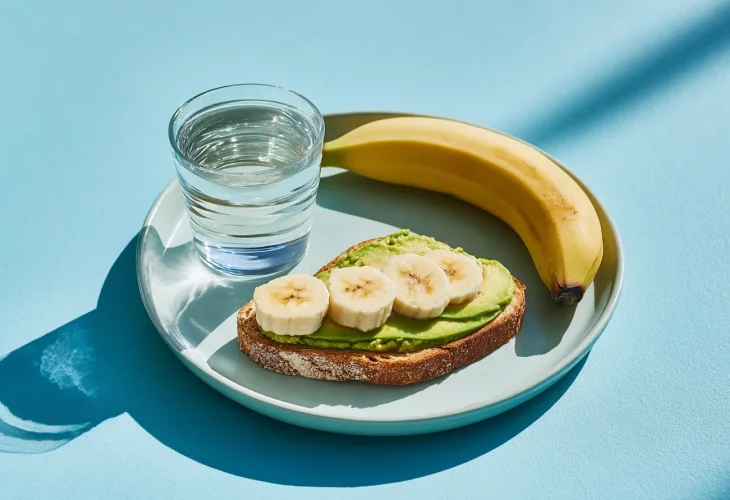
A glass of room-temperature water is one of the best ways to break the fast. Some people prefer herbal tea, while others add a small amount of sugar to their drink for a gentle boost of energy.
Experts generally recommend avoiding large amounts of coffee, sugary drinks, or carbonated beverages immediately after the fast, since these can be harder on the digestive system and may worsen feelings of discomfort.
Begin With Light Foods
About 15 to 30 minutes after drinking, you can begin introducing food gradually.
Soft, easy-to-digest foods are often the best choice. A date, banana, melon, or other mild fruit can provide a gentle source of energy. Pairing this with a slice of bread and a light spread, such as soft cheese, avocado, or tahini, can help ease the body back into digestion.
Some people also enjoy yogurt or a bowl of clear vegetable soup as a first course.
The key is moderation. After many hours without food, the stomach is more sensitive and benefits from a gradual return to normal eating.
Wait Before Eating a Full Meal
Rather than jumping straight into a large dinner, nutrition experts recommend waiting an hour or two after your initial snack before eating a more substantial meal.
Even then, lighter foods are generally preferable. Good options include:
White rice
Boiled or baked potatoes
Steamed vegetables
Baked or grilled fish
Other easy-to-digest proteins
Heavy, fried, spicy, or overly rich foods are best saved for another time, as they can place unnecessary strain on the digestive system after a long fast.
Go Easy on the Sweets
Many people crave desserts after fasting, but experts recommend waiting before reaching for cakes, cookies, or sugary treats.
Large amounts of sugar can cause a rapid rise in blood sugar followed by a sudden drop, leaving you feeling tired, weak, and hungry again shortly afterward.
A balanced meal that includes protein, vegetables, and moderate carbohydrates is usually a better choice.
Listen to Your Body
Perhaps the most important rule of all is to eat slowly and pay attention to how you feel.
Tisha B'Av places physical demands on the body, especially during the summer months. Giving yourself time to rehydrate, recover, and gradually return to normal eating can help you feel better both physically and emotionally after the fast.
A thoughtful approach to breaking the fast can help turn the end of Tisha B'Av into a gentler and healthier transition back to everyday life.
The information in this article is intended for general educational purposes only and should not be considered medical advice. Anyone with a medical condition, dietary restriction, or specific health concern should consult a physician or qualified healthcare professional.

