

Health and Nutrition
Is Your Nonstick Pan a Health Risk? Experts Weigh In
Four oncologists are urging consumers to check their cookware, warning that damaged nonstick coatings may pose avoidable health risks.
- Yitzchak Eitan
- | Updated
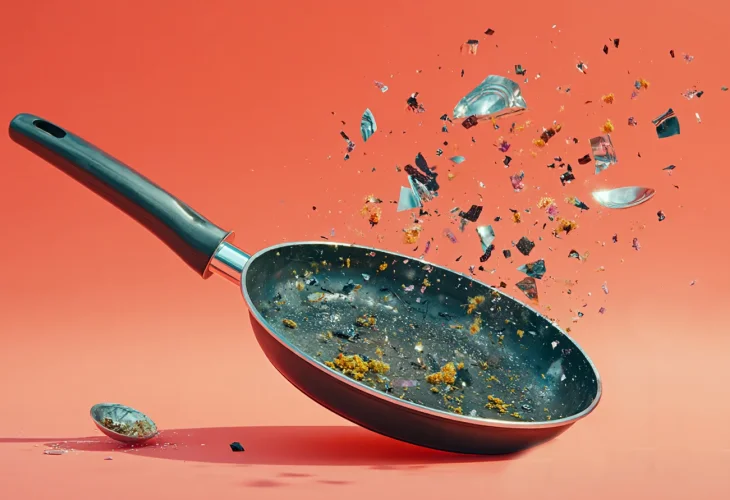
Many people rely on nonstick cookware because it is convenient, easy to clean, and requires less oil for cooking. However, several leading oncologists are warning that old, scratched, or damaged nonstick pans may pose health concerns and could be worth replacing.
According to the experts, the biggest concern is what happens when the nonstick coating begins to break down due to age, scratches, or exposure to very high heat.
Why Damaged Nonstick Cookware Raises Concerns
For many years, manufacturers used a chemical called PFOA in the production of nonstick cookware. Research linked PFOA exposure to several health risks, including an increased risk of certain cancers, leading to its gradual phaseout in many countries.
Although modern nonstick cookware is generally made without PFOA, experts say questions remain about what happens when newer coatings become damaged over time.
When a nonstick pan is scratched by metal utensils or abrasive cleaning tools, the protective coating can begin to wear away. As this happens, tiny plastic particles known as microplastics and nanoplastics may be released into food during cooking.
In addition, heating nonstick cookware to excessively high temperatures may cause the coating materials to degrade and release potentially harmful fumes into the air.
Reducing Risk Without Panic
The doctors emphasize that damaged nonstick cookware is not a guaranteed cause of illness, nor should people panic if they have used such pans in the past.
Health risks are influenced by many factors, including genetics, lifestyle choices, and long term environmental exposures. However, experts point out that this is one potential source of exposure that can be reduced relatively easily.
"In oncology, we focus on practical risk reduction, not fear," explained Dr. Abhishek Kumar, an oncologist from New Jersey. Rather than creating anxiety, he encourages people to make simple, informed choices that may help lower unnecessary risks over time.
Safer Cookware Alternatives
For those looking to replace older nonstick cookware, experts recommend several alternatives that do not rely on the same types of coatings.
Popular options include:
- Stainless steel
- Enameled cast iron
- Carbon steel
- High quality ceramic cookware
These materials are durable, easy to maintain, and do not contain traditional nonstick coatings.
If You Use Nonstick Pans, Follow These Tips
Experts say there is no need to immediately throw away every nonstick pan in your kitchen. However, proper care is important.
To help reduce wear and tear:
- Use wooden, silicone, or other nonmetal utensils.
- Avoid abrasive scrubbers that can damage the coating.
- Do not overheat empty pans.
- Replace cookware when the surface becomes scratched, chipped, or begins to peel.
Taking these simple precautions can help extend the life of your cookware while reducing potential exposure to unwanted materials.
While researchers continue to study the long term effects of microplastics and cookware coatings, experts agree that choosing well maintained cookware and replacing damaged items is a practical step toward creating a healthier kitchen environment.

