

Magazine
The Artist Who Grew Up With 16 Siblings in One Tiny Apartment
Raised with 16 siblings in a tiny Mea Shearim apartment, artist Chumi Gruman turned her unique childhood into a lifelong source of inspiration.
- Michal Arieli
- | Updated
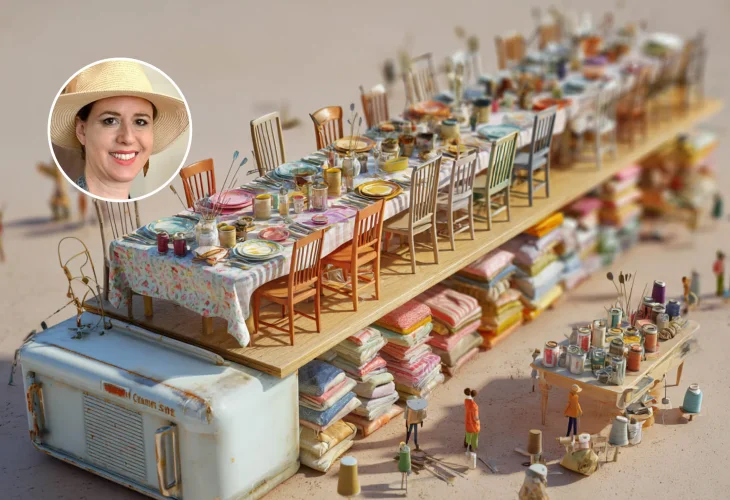 (Inset: Chumi Gruman)
From the time she was a little girl, Chumi Gruman knew she would be an artist.
Her classmates knew it. Her teachers knew it. And so did her 16 brothers and sisters, who shared a one-and-a-half-room apartment with her in Jerusalem's Mea Shearim neighborhood.
Chumi grew up in a Jerusalem chassidic family affiliated with Neturei Karta and Toldos Aharon. She was the ninth of 17 children, giving her a unique perspective within the family. Unlike some of her older and younger siblings, she experienced a period when all of her brothers and sisters still lived under one roof.
Today, decades later, that world continues to shape her life and her art.
"The atmosphere I grew up in is still part of me," she says. "It gives my paintings a traditional, deeply rooted quality that accompanies me wherever I go."
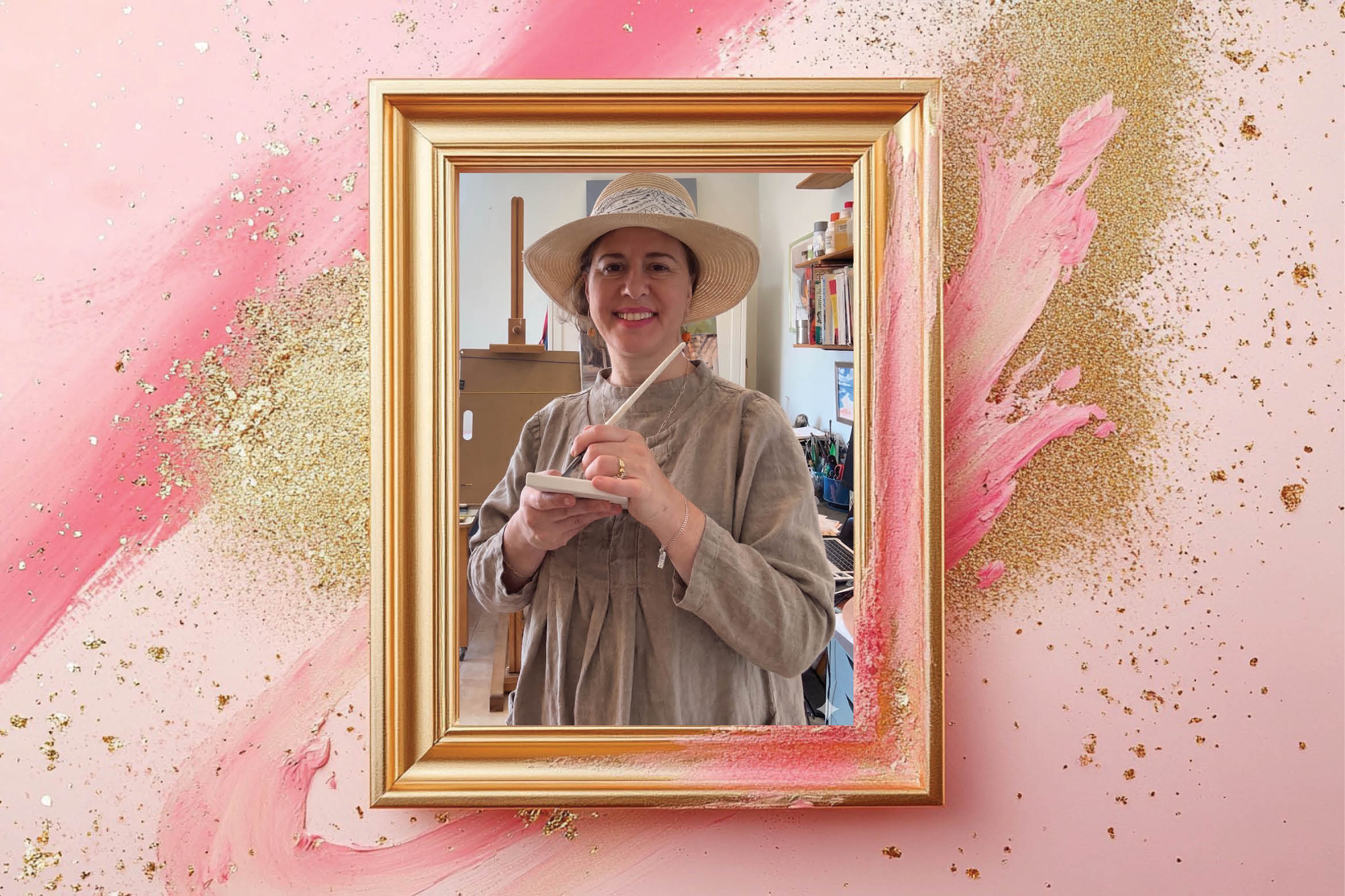
Growing Up With 16 Siblings
"My parents still live in the same one-and-a-half-room apartment where they raised all 17 of us," Chumi says.
The obvious question follows immediately: How can 19 people live in such a small space?
"First of all, we were never all home at the same time," she laughs. "But yes, it was certainly crowded."
Despite the limited space, she remembers a home that was clean, organized, and full of life.
"Today people talk about decluttering methods and organizing systems. My mother was doing that decades ago. We simply didn't keep unnecessary things. We didn't collect souvenirs or store old belongings. If something wasn't useful, it went out."
Looking back, Chumi believes this may have influenced her artistic path.
"I wanted to create something that would remain. Painting gave me a way to preserve moments and memories."
Art also fit naturally into the household.
"We didn't own much, but there were always paints and paper. The main room was constantly active. My father sat learning Torah at the table. My mother fed whichever child happened to be eating at that moment. One sister might be sewing. Everyone was busy doing something."
At night, the children slept crowded together in a tiny room filled with bunk beds, mattresses, refrigerators, and even a clothes dryer.
"We fell asleep to the sound of the dryer and the refrigerator humming. It was simply normal life for us."
A Home Full of Joy
Like many children in large families, Chumi carried responsibilities from a young age.
"Of course we helped. The girls helped around the house, the boys had their own responsibilities, and there was always something that needed to be done."
Yet she remembers the atmosphere as overwhelmingly positive.
"Our home was always lively and happy. There was constantly a wedding, a bar mitzvah, a brit, a holiday, or some family celebration. Life revolved around events and people."
Did she ever feel deprived by the crowding or lack of privacy?
"Not at all," she answers immediately. "My mother ran the home beautifully. She always had time for us. And I never felt different because every family around us lived in a similar way."
Years later, after Chumi chose a somewhat different path from the one she grew up with, her mother asked a question that remained with her.
"She asked whether I had lacked anything as a child, whether perhaps she had done something wrong."
Chumi's answer was clear.
"I lacked nothing. I had a wonderful childhood. I received everything a child could need."
The Family Artist
Even as a child, Chumi's artistic talent was impossible to miss.
"In our family, every child had their own specialty," she recalls. "One sister was known for sewing, another for baking. I was the artist."
Whenever a neighbor gave birth, Chumi designed the congratulatory sign.
She created decorations for the synagogue where her father served as gabbai, embroidered verses and decorative pieces, and became the family's official sukkah decorator.
"Sukkot was my holiday," she says with a smile.
The challenge was finding a place to develop her talent.
"There really weren't art schools available for girls like me at the time. So I drew constantly and collected every marker and pen I could find."
Everything changed when she discovered an advertisement for an art class.
"I cut out the phone number and kept begging my parents to let me enroll."
Eventually, an older married sister investigated the program and convinced their parents it was appropriate.
"Once she gave her approval, I was allowed to go."
To help cover the cost, Chumi worked doing household jobs.
"Tuesday became the highlight of my week. I waited for that class all week long and never missed a lesson."
Looking back, she appreciates the quality of the instruction she received.
"Today I teach painting myself, and I'm amazed by how professional that teacher was."
Choosing a Different Path
After her marriage, Chumi and her husband gradually adopted a somewhat different lifestyle.
"We remained committed to Torah and mitzvot, but we were no longer part of Neturei Karta."
For years they continued living in Mea Shearim before eventually relocating.
Although some people assume such changes create family rifts, Chumi describes a very different experience.
"My parents disagreed with some of our decisions, especially regarding our children's schools. But they always spoke with love and respect."
Her mother, in particular, made a lasting impression.
"She attended every school performance and family event. She never treated our children differently from any of the other grandchildren."
Chumi believes this approach reflects what she saw throughout the community.
"People often talk about dramatic breaks. My experience was different. Even when people choose another path, relationships can remain respectful and loving."
Paintings That Tell a Story
Today Chumi lives with her husband and children in Mazkeret Batya, where she also operates her studio.
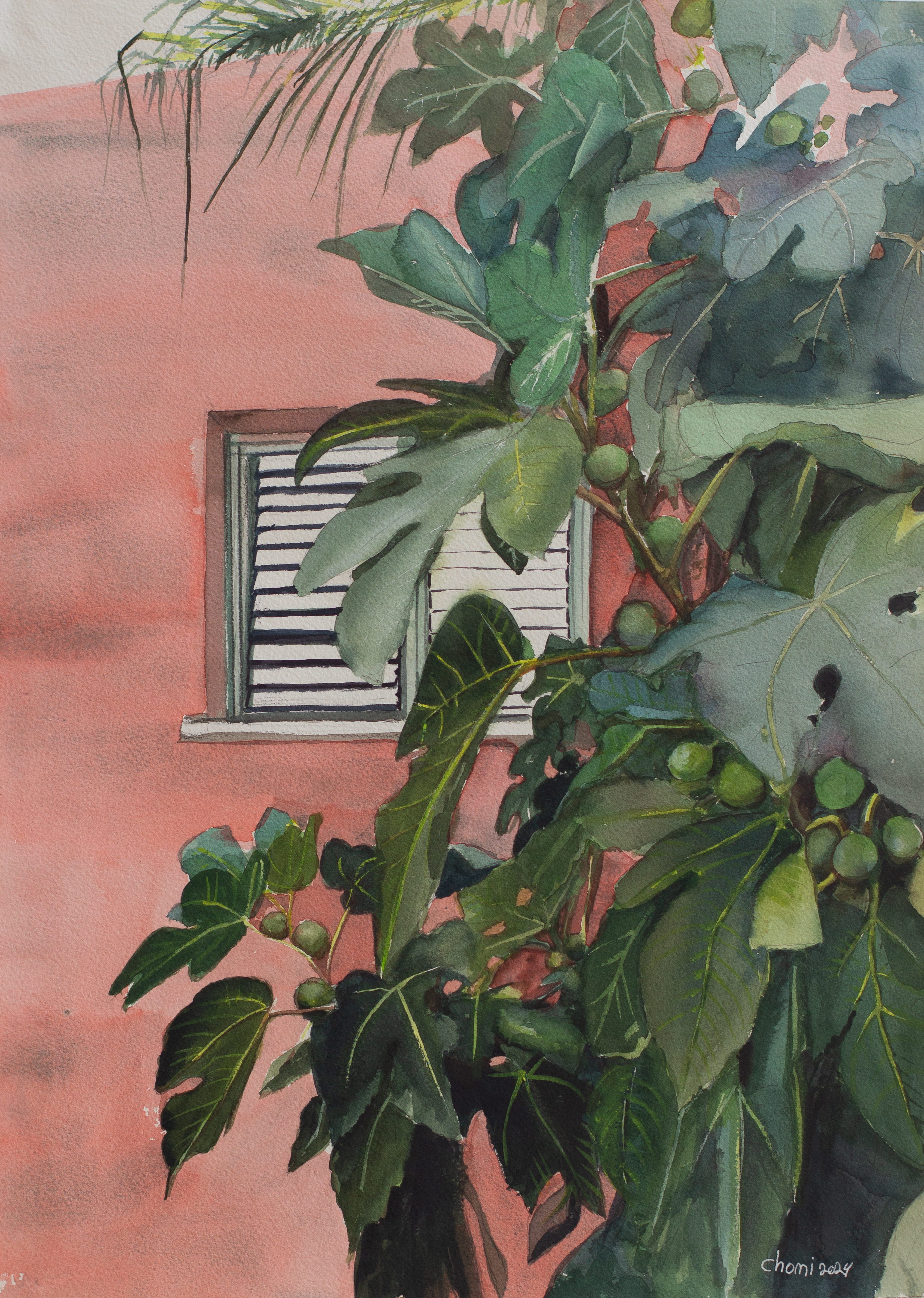
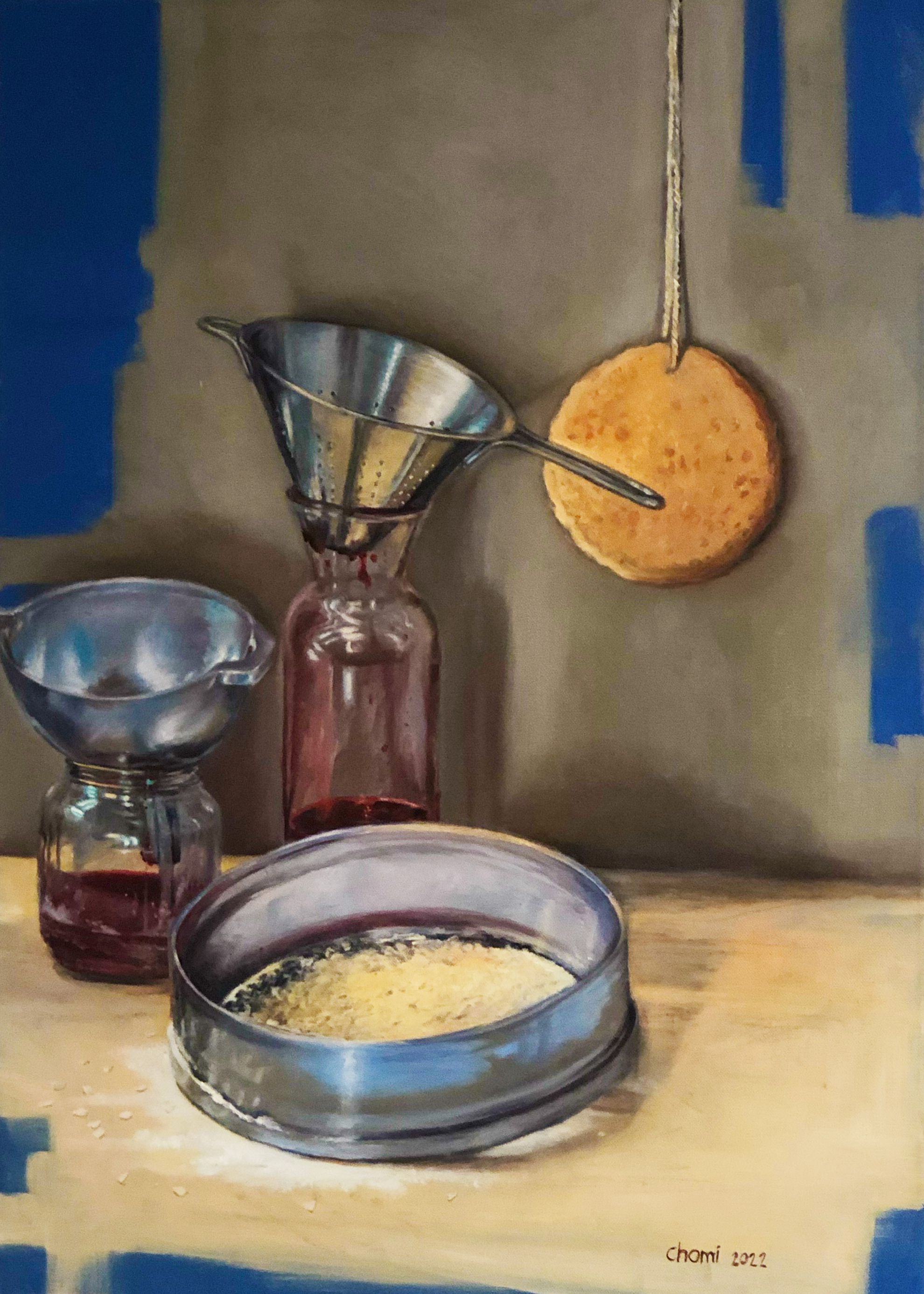
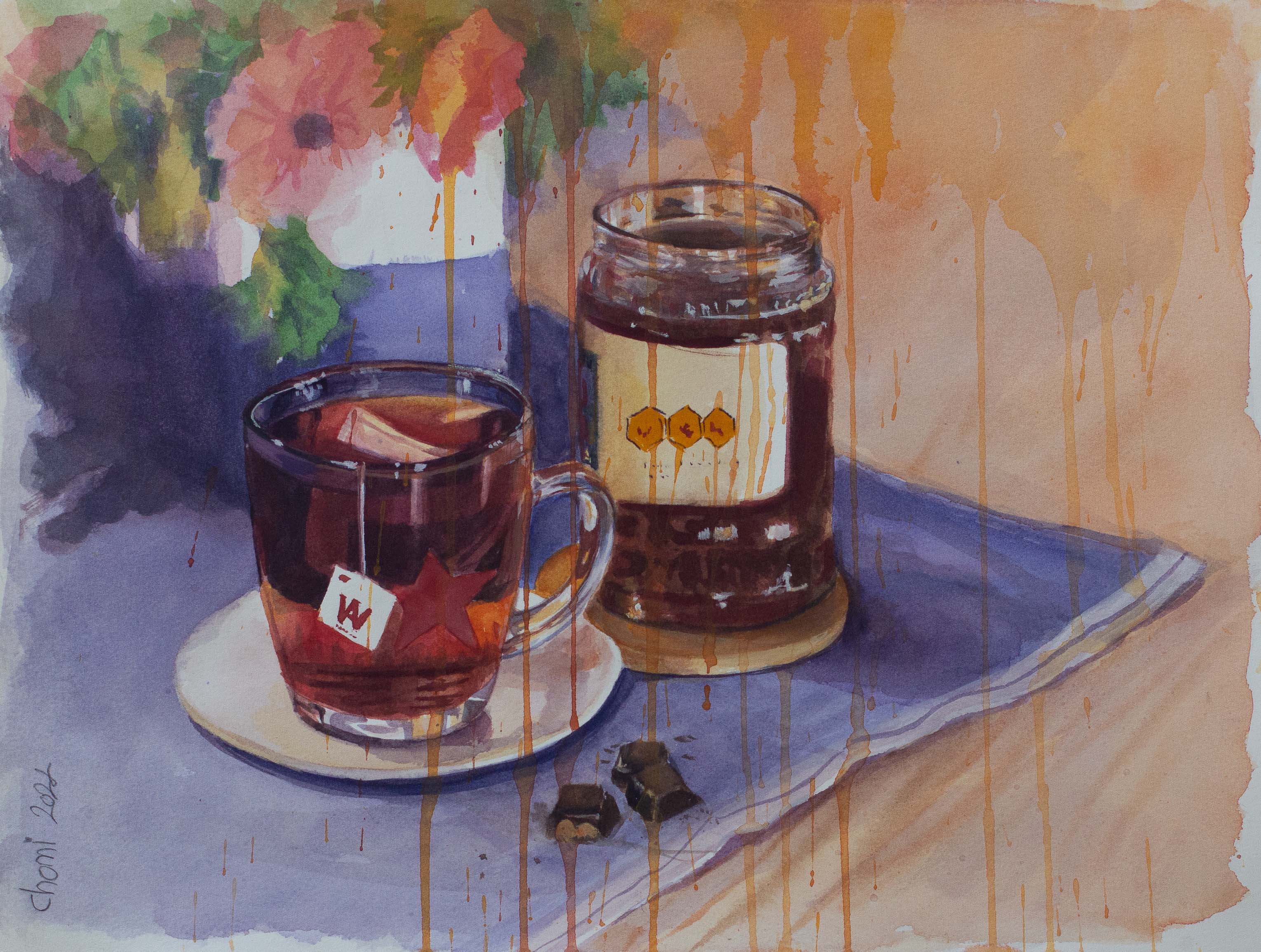
"My work is primarily classical painting," she explains. "Oil paints, carefully built layers, and a great deal of attention to detail."
She believes her artistic style is closely connected to the traditional world in which she was raised.
"For years I experimented with different directions. Eventually I realized that traditional painting is simply part of who I am."
Her goal is to capture moments that resonate with everyone.
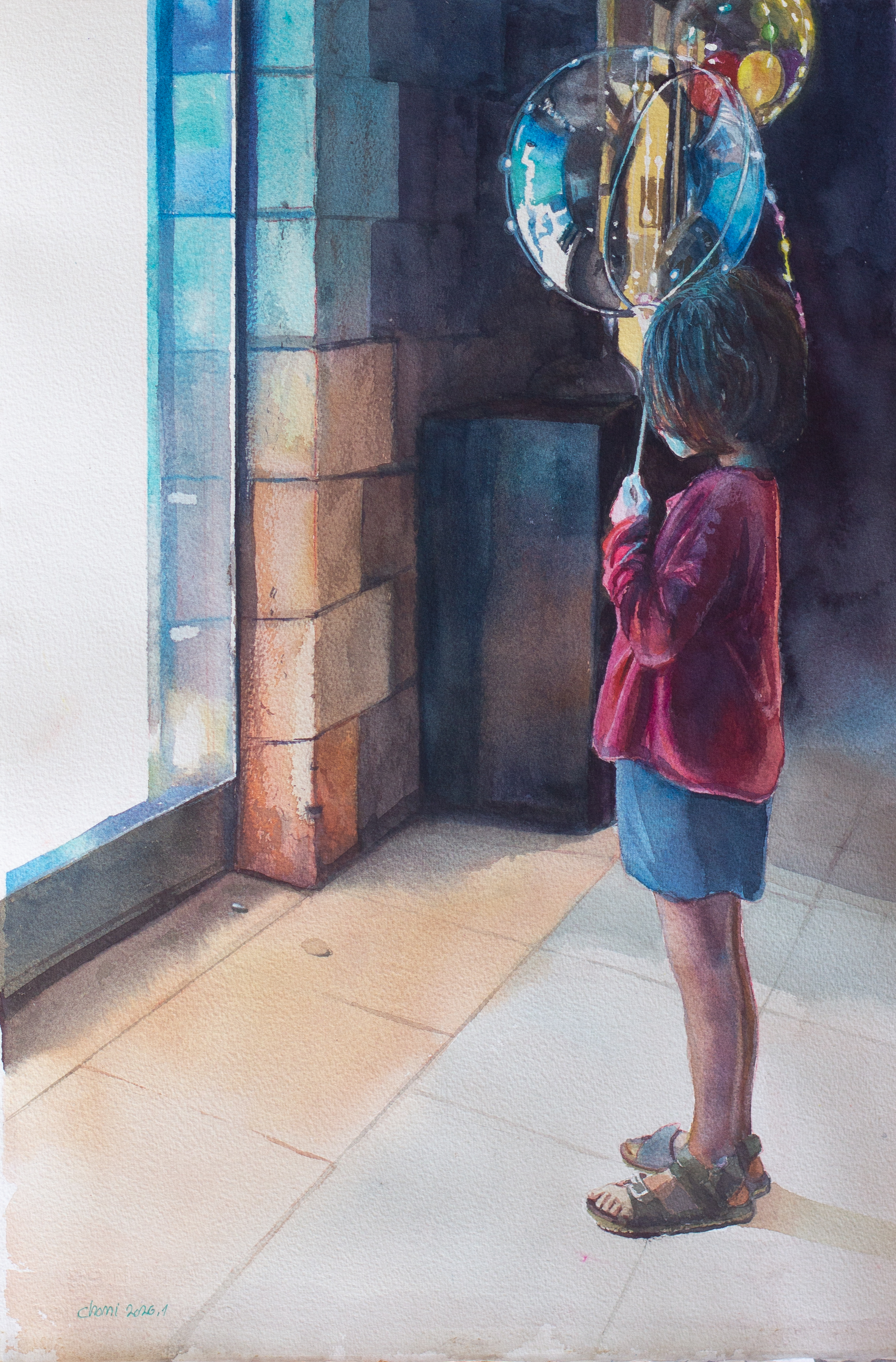
"I look for something universal. A simple moment. A human moment. Something that speaks to people regardless of their background."
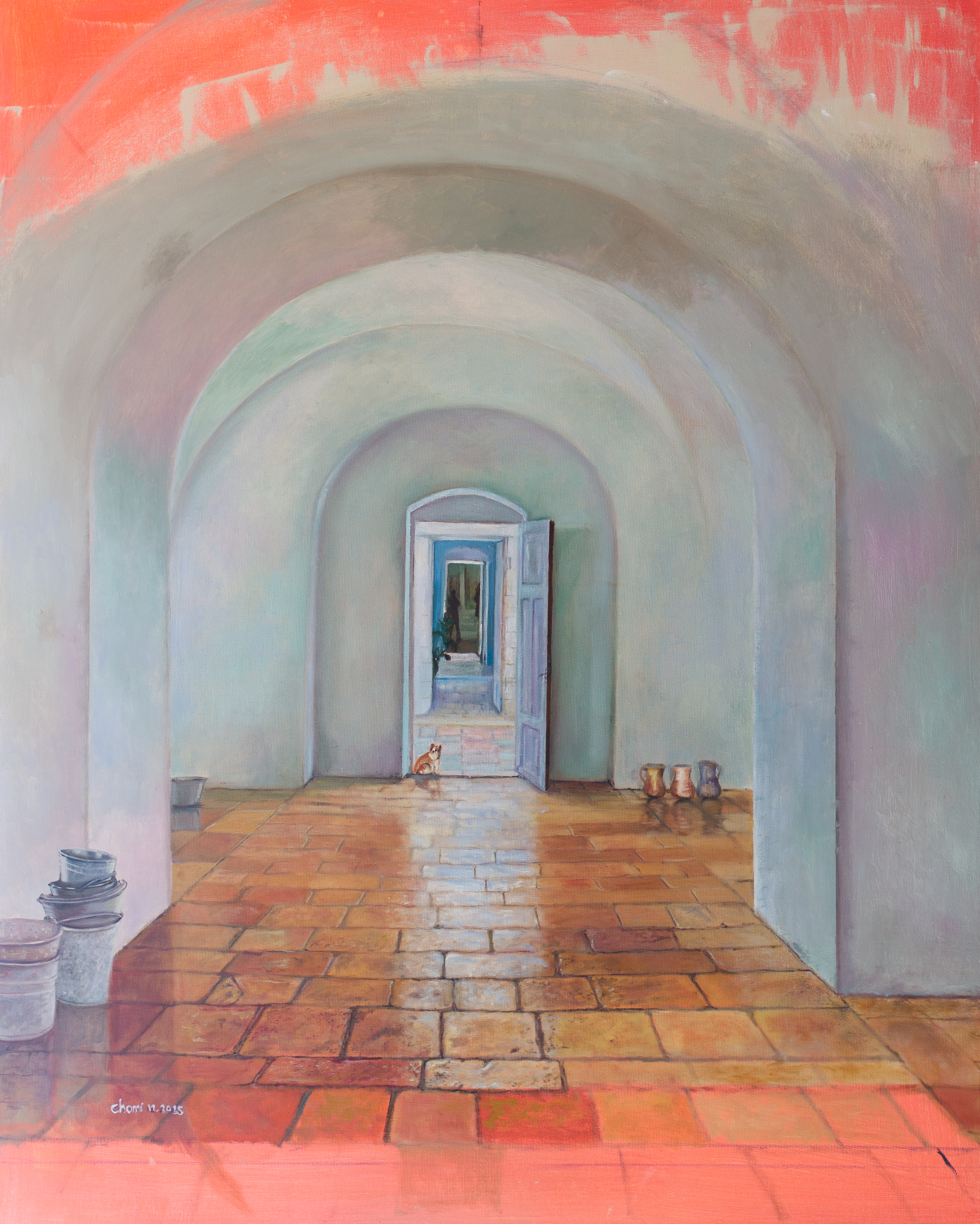
Many of her paintings feature everyday Israeli scenes rendered with warmth and realism.
She is particularly fascinated by glass.
"I love painting reflections. No matter how many times I do it, I never get tired of it."
Letting Go
For most artists, selling a favorite painting can be difficult. Chumi sees things differently.
"From the beginning, I paint for the world. Once the idea is on the canvas, I've done my part."
She usually hangs a finished work in her home for a few days before offering it for sale.
There have been exceptions.
"I once painted two hands holding a stem and decided I would never sell it. Then someone came and wanted to buy it."
She sold it.
"And then I painted another one."
That one sold too.
Alongside her artistic work, Chumi teaches painting in schools and private settings.
She is currently preparing a new exhibition titled Meanwhile, which will open at the Ashkila Museum.
"It feels like the right place for these paintings," she says. "They come from the world I grew up in. Even though I no longer live there, I still love and appreciate the people who do."
That world remains an inseparable part of who she is, and it continues to find expression on every canvas she creates.

