

World News
After Trump Praises Erdogan, Israel Warns of Turkey-Backed Threat on Northern Border
Israeli concern grows after Trump floated a Syrian role against Hezbollah, while Shin Bet says Hamas figures in Turkey directed attacks in Judea and Samaria
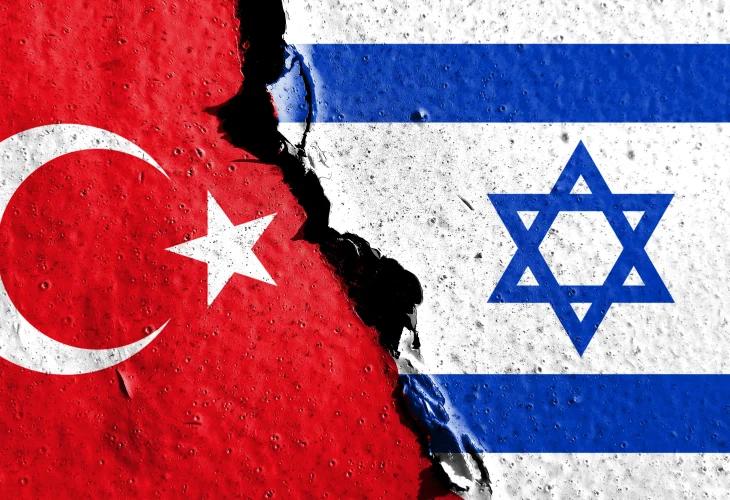 Shutterstock
Israel is increasingly concerned that Turkey’s regional influence could create a new security threat on its borders, as Ankara expands its role in Syria and Hamas figures in Turkey continue to direct terror activity into Judea and Samaria.
The concern sharpened after U.S. President Donald Trump praised Turkish President Recep Tayyip Erdogan and suggested that Syria could play a role against Hezbollah in Lebanon. For Israel, the fear is that one hostile force on the northern border could be replaced by another, this time under Turkish-backed influence.
Speaking Wednesday, June 24, during an Oval Office meeting with NATO Secretary-General Mark Rutte, Trump said Erdogan had stayed out of the recent war with Iran after a direct request from him.
“He was a prime candidate to go into the war with Iran — maybe on the Iran side, because he’s not a big fan of Israel,” Trump said. “I asked him to stay out. He stayed out.”
Trump also described Erdogan as “a great leader” and “a very strong person,” adding that “everything I’ve ever asked from him, he’s done.”
The comments came days after Trump raised another idea that drew concern in Jerusalem: a possible Syrian role in dealing with Hezbollah. “If Israel can’t do the job without killing everyone else, Syria should do the job,” Trump said, according to reports.
That remark focused Israeli attention on Syrian President Ahmed al-Sharaa, and on Turkey’s influence over the new Syrian order. Israeli officials are concerned that a Syrian move into Lebanon, even under the banner of confronting Hezbollah, could bring radical and Turkish-backed forces closer to Israel’s northern border.
Al-Sharaa has denied that Syria is seeking a military role in Lebanon. “We are looking for economic channels between Lebanon and Syria, not military ones,” he said, according to Arab media reports.
Still, Israeli concern is not limited to Syria and Lebanon. On June 21, the Shin Bet and IDF said Hamas terrorists operating from Turkey had helped direct dozens of planned terror attacks in Judea and Samaria over the past year. The agencies named Hamas figures accused of recruiting terrorists, transferring money, smuggling weapons and helping build terror cells.
“The Shin Bet and IDF view with great severity any connection to terrorist elements and direction by Hamas’s West Bank command, and involvement in transfers of funds and weapons intended for terror infrastructure in Judea and Samaria,” the agencies said.
For Israel, Turkey presents a different challenge from Lebanon, Syria or Iran. Turkey is a NATO member and a major U.S. ally, making Israeli action there far more sensitive. That gives Hamas figures operating from Turkey a level of protection they would not have in other hostile arenas.
Erdogan has also tied Israel’s actions in Syria and Lebanon to Turkish security, saying earlier this month that Israeli attacks in those countries threaten Turkey as well. At the same time, Ankara has been expanding its influence in Syria and improving relations with Egypt, adding to the wider Israeli concern over a growing Turkish regional role.
Israel’s position remains that Hezbollah cannot be allowed to remain a threat on the northern border. But officials are also warning that removing Hezbollah must not create a new danger in its place.
The emerging Israeli message is clear: Israel will not accept a situation in which Hezbollah is replaced by another hostile force on its border, especially one connected to Turkey’s expanding influence in the region. For Jerusalem, the issue is no longer only Erdogan’s rhetoric. It is the possibility of a wider pressure network stretching from Turkey to Syria, Lebanon, Egypt and Hamas activity in Judea and Samaria.

