

Rosh Hashanah
The Last Day of the Jewish Year: Halachot, Customs, and Spiritual Preparation
How to prepare for the Day of Judgment and enter the new year with purity, confidence, and joy.
- Yonatan HaLevi
- | Updated
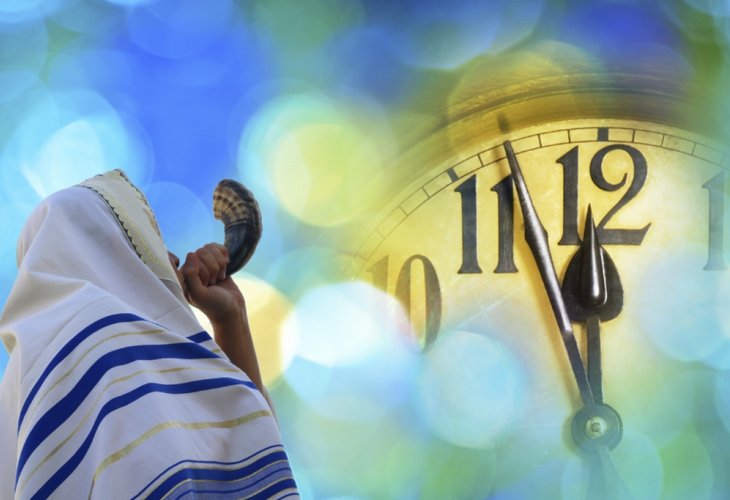 (Photos: shutterstock)
Erev Rosh Hashanah is a unique opportunity to prepare spiritually for the Day of Judgment. It is a day devoted to introspection, repentance, prayer, and practical preparations for the new year. The following are eleven important customs and halachot observed on this special day.
1. Repair the Entire Year Through Sincere Repentance
The 29th of Elul, is the final day of the year and the last opportunity to repent before the Day of Judgment. It is a day for reflecting on the year that has passed and preparing for the year ahead.
A well-known halachic principle teaches that "part of a day is considered like the whole day." Similarly, even in the final moments of the year, a person can rectify the entire year through genuine repentance from the depths of the heart.
The Chayei Adam writes regarding the last day of the year: "The main thing is that a person should not divert his mind from repentance throughout the entire day."
2. Focus on Torah, Mitzvot, and Seeking Forgiveness
On Erev Rosh Hashanah, one should devote time to Torah study, mitzvot, and sincere repentance.
It is also important to seek forgiveness from anyone you may have hurt during the year rather than waiting until Erev Yom Kippur. Repairing relationships before the Day of Judgment is an essential part of preparing for the new year.
3. Prepare for the Festival with Joy
It is customary to wash one's clothes and get a haircut in honor of Yom Tov.
It is also proper to trim one's fingernails carefully so that they do not extend beyond the fingertips. Haircuts and shaving should preferably be completed before midday, demonstrating our confidence that God, in His mercy, will judge us favorably.
4. We Do Not Blow the Shofar
The shofar is not blown on Erev Rosh Hashanah, either during prayers or Selichot, whether privately or in a congregation.
This creates a distinction between the voluntary shofar blasts sounded throughout the month of Elul and the Torah obligation to hear the shofar on Rosh Hashanah itself.
Someone serving as the shofar blower who wishes to practice should do so in a closed room where the sound will not be heard outside.
5. Special Changes in the Morning Prayer
During the Shacharit service on Erev Rosh Hashanah, several prayers are omitted.
The confession (Vidui), Tachanun, Nefilat Apayim, Lamnatzeach Ya'ancha Hashem, Tefillah LeDavid, and Tziduk HaDin are not recited.
6. Perform Hatarat Nedarim (Annulment of Vows)
A widespread custom is to perform Hatarat Nedarim after Selichot and before the morning prayer.
The Gemara (Nedarim 23a) teaches that a person who wishes to avoid violating vows throughout the coming year should declare on Rosh Hashanah that any vows they may make during the year should be nullified.
The Shelah HaKadosh explains that this ceremony has two purposes:
To annul forgotten vows from the previous year.
To declare in advance that any future vows should be automatically void.
The Siddur Derech HaChaim notes that this general declaration applies only to vows that have been forgotten. If someone remembers a specific vow, it must be annulled individually according to the laws of Hatarat Nedarim, including expressing regret and providing valid grounds for annulment before qualified Torah scholars knowledgeable in these laws.
The Torah views vows and oaths with great seriousness, and their violation carries severe consequences.
Rabbi Shmuel Baruch Ganot relates that Rabbi Chaim Kanievsky once remarked: "Vows are like playing with fire."
Unless one is thoroughly familiar with the laws governing vows, it is best to avoid making them altogether.
7. Be Especially Careful with the Mincha Prayer
Particular care should be taken to pray Mincha, as it is the final prayer of the outgoing year.
8. Some Fast Until Midday
Some have the custom to fast on Erev Rosh Hashanah.
Others fast only until after Mincha and then eat a small amount before Yom Tov begins, so they do not enter the festival while fasting.
Anyone concerned that fasting will weaken them or interfere with their ability to observe Rosh Hashanah properly should not fast.
9. Immerse in a Mikveh
Many have the custom to immerse in a mikveh on Erev Rosh Hashanah as a preparation for spiritual purity.
Purifying the body helps prepare the soul, and spiritual purity enhances the acceptance of one's prayers before God.
10. Visit the Graves of the Righteous
Many people visit the graves of righteous individuals on Erev Rosh Hashanah.
While there, they give charity to the poor and offer heartfelt prayers, asking God to show mercy in the merit of these righteous individuals. As the resting places of the righteous are considered holy, many believe that prayers offered there receive special acceptance.
It is important to pray only to God, asking Him to grant kindness in the merit of the righteous, and never to pray to the deceased themselves, which is strictly forbidden.
One should also remember not to enter a cemetery with uncovered tzitzit.
11. Preparing and Lighting the Festival Candles
Before the festival begins, prepare two sets of Yom Tov candles.
It is also advisable to light a memorial candle that will burn for at least twenty-six hours. This provides an existing flame from which candles may be lit for the second night of Rosh Hashanah, since creating a new fire on Yom Tov is prohibited, while transferring fire from an existing flame is permitted.
The candles for the second night should be lit only after the first day of Rosh Hashanah has definitely ended.
Women recite the blessing: "Blessed are You... Who has sanctified us with His commandments and commanded us to kindle the Yom Tov lights."
According to Sephardic custom, women do not recite Shehecheyanu at candle lighting but instead hear it during Kiddush.
According to the custom of communities where women do recite Shehecheyanu when lighting the candles on the second night, it is preferable to have a new fruit or wear a new garment in mind while reciting the blessing, so that the blessing also applies to them.

