

The Month of Elul
Why Does God Desire Roses Instead of Gold? A Powerful Lesson on Repentance
Discover the inspiring message of the sons of Korach, the transformative power of sincere repentance, and why a softened heart is the greatest gift we can offer our Creator
- Naama Green
- | Updated
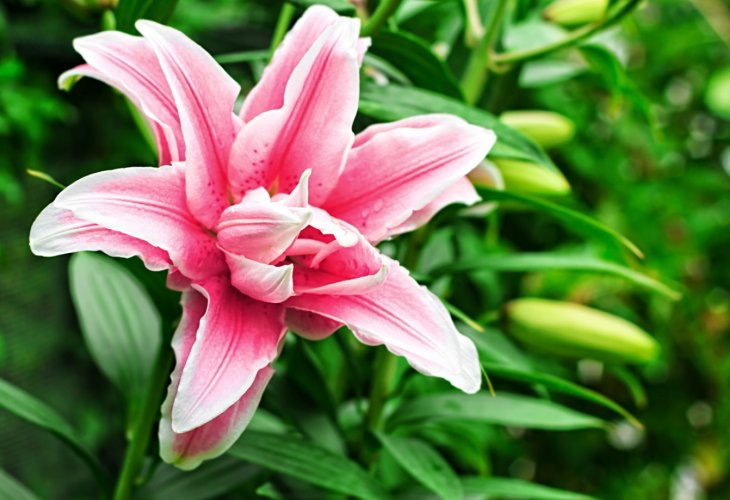 (Photo: shutterstock)
The Sages taught a remarkable Midrash that reveals the unique nature of repentance and its extraordinary greatness:
"A king entered a city, and the people rushed to prepare a crown of gold, adorned with precious stones and pearls, to honor him. But the king said, 'I have no need for a crown of gold. Are there any roses here?' Immediately the people rejoiced. Likewise, Korach and his assembly said, 'Surely the Holy One desires gifts of gold.' But God replied, 'The silver is Mine and the gold is Mine.' Even the incense, He said, 'Incense is an abomination to Me.' What, then, do I seek? Roses. The sons of Korach declared, 'We are the roses!' And the Holy One said to them, 'You have prevailed.' Thus it says: 'For the conductor, upon the roses, a contemplative song of love by the sons of Korach.'"
This powerful parable captures the very essence of repentance.
When the king arrived, the people naturally assumed that the finest way to honor him was with a magnificent crown of gold set with jewels. Yet the king surprised them by saying that what he truly desired was not gold or precious gems, but a bouquet of roses.
The king was not interested in the material value of the gift. He desired the feelings and sincerity that lay within the hearts of his subjects.
So too, the Holy One, blessed be He, said to the sons of Korach: "I do not desire expensive censers of silver or gold. What I seek is that a person return to Me through sincere repentance." The sons of Korach became the perfect example of this truth.
A Heart as Soft as a Rose
The Midrash in Shir HaShirim Rabbah explains that the rose possesses a unique quality: it is soft and delicate. Therefore, when Scripture describes God as "the One who shepherds among the roses," it means that He is especially drawn to those whose hearts are soft like a rose.
This softness is what makes the rose so precious. Gold and silver are valuable metals, but they are hard and rigid. God, in His love, reveals that He has no need for gifts fashioned from such materials. What He desires most from human beings is their capacity for tenderness, humility, and transformation. It is precisely this softness that captures His heart.
When a person sins and distances themselves from God, but then softens their heart and sincerely changes for the better, it is as though they are presenting the King of the universe with a bouquet of fragrant roses. And those are the gifts He cherishes most.
Greater Than Gold
This parable beautifully reflects the teaching of the Sages that, in certain respects, a penitent stands on an even higher spiritual level than one who has never sinned.
The perfectly righteous person offers God deeds that are like gold, silver, and incense. Yet there is something even more precious: the bouquet of roses.
Outwardly, roses may appear far less valuable than gold or jewels. Yet the spiritual power contained within this humble gift is beyond measure. Nothing can replace a heart that has been softened through repentance.
The Midrash explains that this remarkable insight — that God desires roses above gold, is hinted at in the psalm composed by the sons of Korach.
It was they who demonstrated the extraordinary power of repentance. They declared, "We are the roses," and God, as it were, accepted their claim, responding, "You have prevailed."
This is alluded to in the verse: "For the conductor, upon the roses, by the sons of Korach."
The Repentance of the Sons of Korach
The Midrash concludes with one final, inspiring lesson.
The sons of Korach did not verbally confess their repentance; their hearts alone turned back to God. And yet, even without spoken words, their repentance was accepted.
Their sincere inner transformation was enough for God to receive them with compassion and grant them salvation.
Sometimes, the most powerful act of repentance is not found in eloquent words, but in the quiet, sincere turning of the heart toward its Creator.

