

Home Styling
7 Habits That Make Your Home Feel Messy Even After You Clean
Your home may not be dirty, just cluttered. Discover seven everyday habits that create mess and simple ways to break them for good.
- Shira Priant
- | Updated
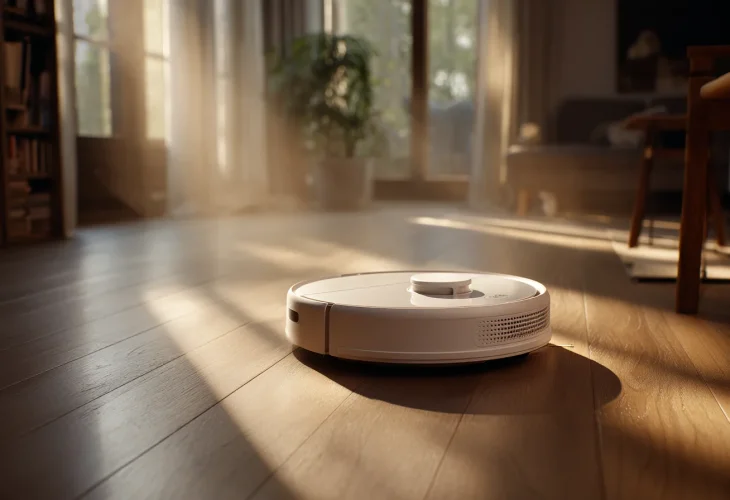
A messy home isn't always a dirty home. Often, it's the small everyday habits that quietly create clutter without us even realizing it. If your house constantly feels untidy despite regular cleaning, these seven common habits could be the real reason.
The Robot That Taught Me a Lesson About Clutter
About six months ago, we decided to invest in a robot vacuum and mop. In theory, it was supposed to save hours of housework by vacuuming, mopping, and cleaning the floors almost entirely on its own.
Reality turned out to be a little different.
Before the robot could make its thirty minute trip around the house without getting stuck on a rug, tangled in charging cables, or trapped by scattered toys, I first had to spend nearly twenty minutes preparing the house.
I found myself racing from room to room picking up flip flops, phone chargers, toys, baby wipes, socks, and all the little things that somehow ended up on the floor.
That's when I realized something surprising.
My house wasn't actually dirty.
The floors underneath were quite clean.
What made the house feel messy wasn't dust or dirt. It was dozens of small items that simply didn't have a permanent place to belong.
Here are seven habits that quietly create clutter and simple ways to break them.
1. "I'm Just Putting This Here for a Minute"
It starts with your keys on the entry table.
Then your sunglasses join them.
The sweater you wore for an hour ends up on the bedroom chair.
Receipts pile onto the kitchen counter.
That "one minute" quickly becomes several days, and before long, every flat surface is covered.
How to break the habit:
Follow the two minute rule.
If putting something away takes less than two minutes, do it immediately instead of promising yourself you'll do it later.
Whether it's putting your shoes away, hanging up your jacket, or placing your coffee mug in the dishwasher, handling it now prevents clutter from building up.
2. Saving Boxes "Just in Case"
Shoe boxes.
Glass jars.
Gift bags.
The original packaging from electronics you bought years ago.
Many of us save these items "just in case," but they often end up taking over closets and storage spaces.
How to break the habit:
If you haven't needed the box or container within a couple of weeks, it's probably safe to let it go.
The exception is original packaging for expensive electronics that are still under warranty. Even then, flatten the boxes and store them neatly instead of letting them occupy valuable living space.
3. Buying in Bulk Without Storage Space
Warehouse deals can be tempting.
Three bottles of shampoo.
A giant pack of paper towels.
Enough cleaning supplies to last a year.
But if your home doesn't have room to store these extras, they end up sitting on laundry room floors, bathroom corners, or balconies, creating visual clutter.
How to break the habit:
Only buy bulk quantities if you already have a designated storage space for them.
Saving money isn't worth sacrificing the calm and comfort of your home.
4. Buying Storage Bins Before Decluttering
Many people make the same mistake.
The house feels cluttered, so they head to the store and buy attractive baskets, bins, and organizers.
The result?
They simply organize things they never needed to keep in the first place.
How to break the habit:
Declutter first.
Remove, donate, recycle, or discard everything you no longer use.
Only then should you buy storage solutions that fit what's actually staying in your home.
5. Crowded Countertops
Kitchen counters often become home to coffee makers, toasters, mixers, spice racks, drying racks, olive oil bottles, fruit bowls, and countless other items.
Bathrooms can quickly fill with lotions, perfumes, toothbrushes, and cosmetics.
Even if everything is clean, crowded surfaces make a room feel busy and cluttered.
How to break the habit:
Keep only the appliances or products you use every day on display.
Store everything else inside cabinets or drawers.
Taking out the mixer once a week is a small effort compared to the calm that comes from seeing a clear countertop.
6. Letting Paper Pile Up
Mail.
Receipts.
School papers.
Flyers.
Instruction manuals.
Paper has a way of multiplying quickly and collecting on dining tables and kitchen counters.
How to break the habit:
Create a designated paper station near your home's entrance.
Recycle junk mail immediately.
Place important documents into a folder or drawer as soon as they come inside.
Don't let paperwork settle on your home's main surfaces.
7. The "Wandering Objects" Problem
Children's toys migrate into the living room.
Books move from the bedroom to the couch.
Hand lotion appears on the coffee table.
Phone chargers seem to exist everywhere except where they're supposed to be.
When items don't have a permanent home, they continue wandering from room to room.
How to break the habit:
Every item in your home should have a specific place.
If you pick something up and don't know where it belongs, that's a sign you either need to assign it a permanent home or decide whether you really need to keep it.
A Cleaner Home Starts With Better Habits
Keeping a home tidy isn't always about cleaning more.
Often, it's about reducing the small habits that create clutter in the first place.
When everything has a place, daily cleanup becomes faster, your home feels more peaceful, and even your robot vacuum can finally do the job you bought it to do.

