

Home Styling
The One Minute Rule That Can Keep Your Home Clutter Free
This simple one minute habit has helped millions prevent clutter before it starts. Discover why it works and how it can transform your home.
- Shira Priant
- | Updated
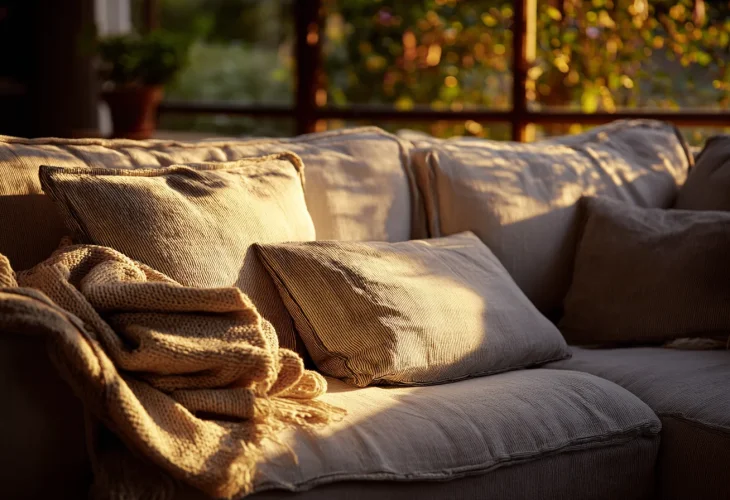
Have you ever looked around your home and wondered how it went from clean and organized to complete chaos so quickly? Somehow, paperwork has piled up on the kitchen counter, shoes and bags have taken over the entryway, and colorful coffee mugs have multiplied across the living room.
It can feel as though the mess appeared overnight.
But what if there were a simple habit that could help stop clutter before it starts—and it only takes one minute?
Meet the One Minute Rule, a surprisingly effective habit that has gained popularity around the world. This simple psychological trick has helped countless people keep their homes cleaner without spending hours organizing.
What Is the One Minute Rule?
The One Minute Rule is most commonly associated with Gretchen Rubin, bestselling author and well known expert on habits and happiness.
Rubin noticed that the smallest household tasks often create the biggest mental burden. Her solution was simple:
If a task takes less than one minute, do it immediately instead of putting it off.
The idea has been featured by leading lifestyle publications and productivity experts because of its simplicity and effectiveness.
Why It Works
The One Minute Rule works because it removes the biggest obstacle to getting things done: getting started.
Our brains naturally resist tasks that feel time consuming or overwhelming. But when something takes less than 60 seconds, it's much harder to justify postponing it.
Instead of allowing small jobs to pile up into a major cleaning session, you deal with them while they're still small.
And clutter has a way of attracting more clutter.
Just as importantly, completing tiny tasks immediately reduces mental load. Every unfinished task sits quietly in the back of our minds like an unread notification. Finishing it right away creates an instant sense of relief and helps us feel more in control of our homes.
What Can You Do in One Minute?
Once you begin using this method, you'll quickly discover how many household tasks take less than a minute.
For example, you can:
Hang your coat instead of leaving it on a chair.
Put a dirty plate directly into the dishwasher.
Sort the mail and recycle unwanted flyers.
Wipe up a coffee spill before it dries.
Return the TV remote to its usual place.
Close a cabinet or drawer you left open.
Hang up a wet towel instead of leaving it on the floor.
Straighten the couch cushions before bed.
Put your shoes back in the shoe cabinet.
Empty a small bathroom trash can when it's full.
None of these jobs takes long, but together they make a noticeable difference.
Does It Really Work?
Some people argue that constantly stopping to complete one minute tasks interrupts their workflow or relaxation. After all, one minute here and another minute there eventually add up.
It's a fair point.
But living in a cluttered environment comes with its own cost. Research has shown that excessive clutter can increase stress levels and make it harder to relax at home.
Spending a minute now may save you hours of cleaning later—and create a calmer environment every day.
Small Habits, Big Results
The One Minute Rule isn't really about cleaning.
It's about preventing clutter before it takes over your home.
The mess doesn't suddenly appear all at once. It grows from dozens of small decisions to deal with something "later."
Later I'll clear the glass from the table.
Later I'll put the bowl back in the cabinet.
Later I'll fold the laundry.
Later I'll wipe up the spilled juice.
Later I'll sort through the children's artwork.
Before long, those tiny delays turn a peaceful home into a stressful one.
Perhaps that's why the One Minute Rule has become so popular. Even people who don't consider themselves naturally organized can stick with it because it feels manageable.
At first, you may feel as though you're constantly putting out small fires. But over time, these tiny actions become automatic habits.
And that's when the real change happens.
Few of us have the time or energy to spend an entire day cleaning the house.
But one minute?
Almost everyone can spare one minute for a calmer, cleaner home.

