

Israel News
Israel’s Cyber Chief Warns: Hostile Cyberattacks Have Risen Dramatically
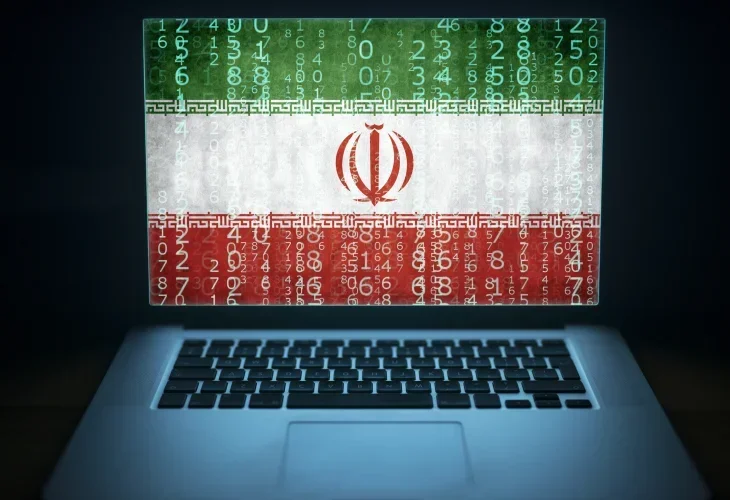
Yossi Karadi, head of Israel’s National Cyber Directorate, reported a sharp rise in Iranian cyberattacks targeting Israeli infrastructure. The number of hostile cyber incidents jumped from about 1,600 during Operation "Am K’Lavi" to roughly 4,800 during Operation "Roar of the Lion."
- Hidabroot
- | Updated
 (Photo: shutterstock)
Yossi Karadi, head of Israel’s National Cyber Directorate, said today (Monday) in an interview with the newspaper "Di Velt" that since the start of the war against Iran in 2026, there has been a sharp increase in cyberattacks targeting Israeli infrastructure, organizations, and civilians.
According to him, the number of hostile cyber incidents rose from about 1,600 during Operation "Am K’Lavi" to about 4,800 during Operation "Roar of the Lion." In his words, "There are very skilled groups. We can deal with them, but we need to take them seriously. Unlike in the kinetic arena, there is no ceasefire in cyberspace."
Karadi said the attacks were aimed at systems used by Israel’s critical infrastructure, major organizations, small and medium-sized businesses, and the general public, noting law offices and accounting firms that were affected. "So far—and hopefully it will stay that way—we have succeeded in repelling attacks on critical infrastructure," he said.
As previously reported, at the start of the month, the National Cyber Directorate issued an urgent call to the public and to organizations to increase vigilance and take immediate protective measures, following the identification of attempted attacks and disruptions in the digital space. Officials at the directorate explained that experience from previous campaigns shows that hostile actors also operate in cyberspace during periods like these, with the goal of harming organizations, gathering information, creating psychological pressure, and undermining the public’s sense of security.
Among the actions that were identified: attempts to break into private and public security cameras for surveillance purposes, use of information leaked in the past for influence and intimidation campaigns, wiper-style data deletion attacks and system encryption, and exploitation of known security vulnerabilities in systems that had not been updated. In addition, there was a wave of phishing text messages, messages impersonating official bodies, intimidation messages, and phone calls intended to create confusion and deception.

