

Wonders of Creation
How to Grow Bigger, Healthier Tomatoes: The Soil Secret Every Gardener Should Know
Discover how compost, proper soil preparation, sunlight, watering, and balanced fertilization can help you grow stronger tomato plants and enjoy a larger, more flavorful harvest from your home garden
- Shira Dabush
- | Updated
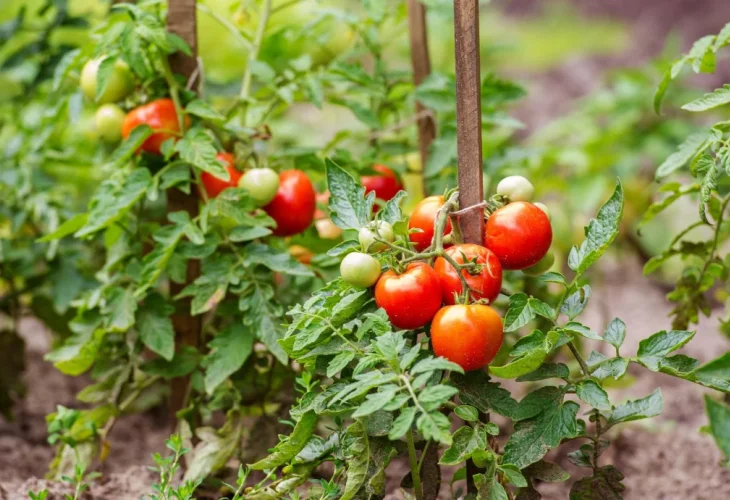
Anyone who begins growing vegetables at home quickly discovers that almost no vegetable garden is complete without tomatoes. They are relatively easy to grow and taste especially delicious when picked fresh from the vine.
However, if you want a plentiful harvest, success begins long before the first seedling goes into the ground.
Many experienced gardeners recommend enriching the soil with high quality compost before planting. What exactly is compost, and why is it so important?
What Is Compost?
Compost is decomposed organic matter that is naturally rich in nutrients. It improves the structure of the soil, allowing roots to grow more easily, enhances drainage, and helps the soil retain moisture for longer periods.
It also enriches the soil with beneficial microorganisms that contribute to healthier, stronger plants.
Many gardeners recommend incorporating compost into the soil before planting tomatoes. Spread a layer of compost about 30 centimeters (12 inches) deep beneath the planting area, then mix it thoroughly into the surrounding soil.
Once the soil is prepared, plant your tomato seedlings and water them generously.
In addition to compost, some gardeners also use:
Wood chips or organic mulch to help retain soil moisture.
Crushed eggshells as a source of calcium. While eggshells do contain calcium, their short term benefits are limited because they break down very slowly.
Growing Conditions Matter Just as Much
Even the richest soil cannot compensate for poor growing conditions.
Tomatoes thrive when they receive:
At least 6 to 8 hours of direct sunlight every day.
Deep, consistent watering.
Well drained soil.
Strong support from stakes or cages as the plants grow taller.
A Common Gardening Mistake
One of the most common mistakes gardeners make is applying too much fertilizer that is high in nitrogen. The result is often a large, lush plant with plenty of beautiful leaves but very few tomatoes.
For the best harvest, use a balanced fertilizer, especially once the plants begin to flower. This encourages the plant to direct its energy toward producing healthy, abundant fruit rather than excessive foliage.

