

Health and Nutrition
Berries, Leafy Greens, and More: The Healthiest Produce to Eat This Summer
Experts explain which fruits and vegetables provide the most antioxidants, fiber, and essential nutrients for better overall health
- Yitzchak Eitan
- | Updated
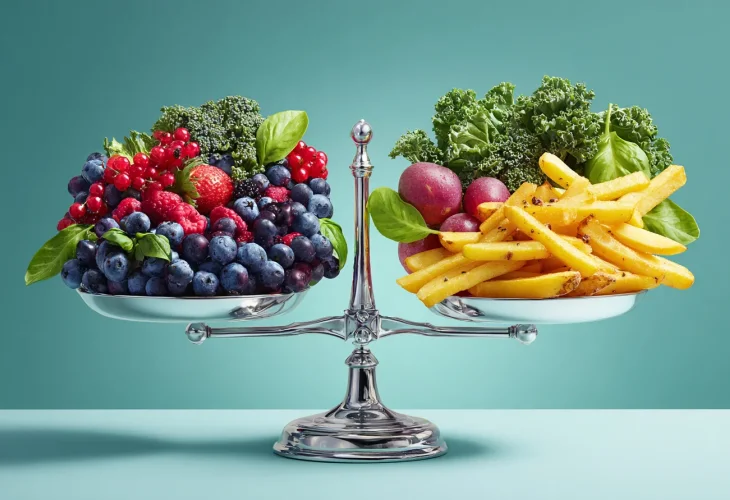
Summer has arrived, and grocery stores and farmers' markets are overflowing with fresh, juicy fruits and vegetables. Keep in mind however, that not all produce offers the same health benefits.
According to Julia Zumpano, a registered dietitian at the Cleveland Clinic, the top choices this season are berries and leafy greens.
"Berries contain the highest levels of antioxidants," she explains, noting that these powerful compounds help fight inflammation throughout the body.
One of the biggest advantages of strawberries and blueberries (which should, of course, be carefully checked and cleaned for insects in accordance with Jewish dietary law) is their excellent balance of natural sugars and dietary fiber. In contrast, fruits such as melon, papaya, and grapes contain higher amounts of sugar and fewer protective nutrients.
Consuming excessive amounts of fruit sugar, or fructose, may contribute to sharp increases in blood sugar levels and, over time, negatively affect heart health.
Leafy Greens Lead the Vegetable Category
Among vegetables, leafy greens such as kale, spinach, Swiss chard, and dark leafy lettuce rank at the top.
These vegetables are exceptionally nutrient dense while remaining low in calories. They are also an excellent source of potassium, an essential mineral that helps regulate healthy blood pressure.
Research has shown that regularly eating leafy greens can improve blood sugar control and reduce the risk of developing type 2 diabetes.
Why White Potatoes Ranked Lower
At the other end of the scale, white potatoes received one of the lowest ratings, largely because they are most often consumed as French fries.
Removing the skin eliminates much of the potato's dietary fiber, while deep frying at high temperatures creates unhealthy compounds.
Even so, potatoes in their natural form still provide valuable nutrients, including essential vitamins, potassium, and iron.
Frozen Berries Can Be Just as Nutritious
Professor Debbie Petitpain, a nutrition expert at the University of California, points out that frozen berries are every bit as nutritious as fresh ones and may even retain more of their nutritional value because they are flash frozen shortly after harvest.
"The best fruits and vegetables are the ones you enjoy and can include in your diet every day," says Petitpain.
"And the worst ones? The fruits and vegetables that sit forgotten in your refrigerator's produce drawer until they spoil."

