

Health and Nutrition
Why Ultra Processed Foods Are So Hard to Resist
Cookies, chips, and frozen meals may be more addictive than many people realize. Discover what researchers found and how to make healthier choices.
- Yitzchak Eitan
- | Updated
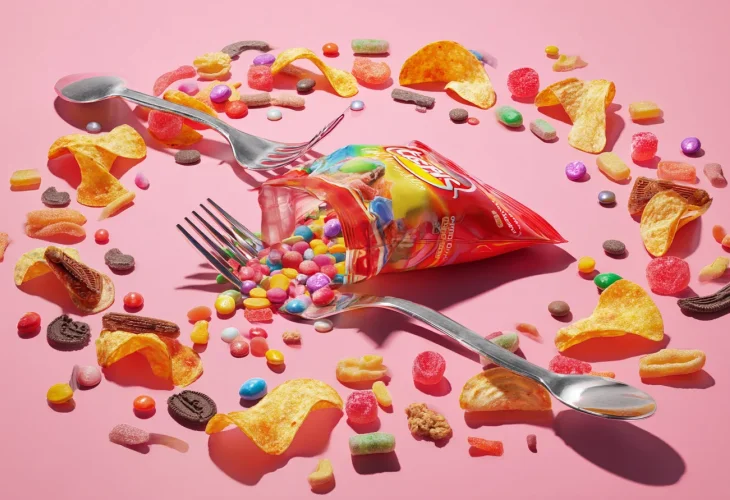
Is reaching for cookies, chips, or packaged snacks simply a matter of weak willpower? According to growing research, the answer may be no.
Studies from the University of Michigan using the Yale Food Addiction Scale suggest that addiction to ultra processed foods is a genuine clinical phenomenon. Researchers found that about 14% of adults in the United States and roughly 12% of children worldwide meet the established criteria for food addiction, showing patterns similar to those seen with other addictive substances.
Why Processed Foods Are So Hard to Resist
Researchers say the answer lies in the way many ultra processed foods are designed.
Manufacturers combine carefully engineered amounts of refined carbohydrates, fats, and sodium in combinations rarely found in nature.
For thousands of years, humans had to work hard to obtain calorie dense foods rich in fat and carbohydrates. As a result, the brain developed a powerful reward system that encourages us to seek them out.
Today, these foods are inexpensive, widely available, and heavily processed, turning what was once a survival advantage into a potential health risk.
The Foods Most Often Linked to Food Addiction
As part of one study involving about 1,600 adults in the United States, researchers found that more than 90% of the foods with the highest addiction potential were ultra processed products.
These included cookies, cakes, salty snacks, frozen pizzas, and commercially prepared baked goods.
Experts say one of the biggest concerns is the large amount of refined carbohydrates and starches found in many of these products.
Because they are digested quickly, they cause blood sugar levels to rise rapidly before dropping just as fast. This sharp cycle can leave people feeling tired, hungry, and craving more food soon afterward.
The Impact on Daily Calorie Intake
Clinical trials that closely monitored participants' diets found that people eating ultra processed foods consumed between 500 and 1,000 more calories per day than those eating meals prepared from minimally processed ingredients.
This increase in calorie intake may have important long term health consequences.
Research has linked higher consumption of ultra processed foods to an increased risk of obesity, type 2 diabetes, stomach disorders, and cognitive decline.
How to Reduce Your Risk
Experts recommend taking a closer look at food labels and limiting products that are high in saturated fat and refined carbohydrates.
Preparing more meals at home using minimally processed ingredients can also help reduce reliance on highly processed foods.
Possible warning signs of food addiction include eating when you are not physically hungry, struggling to reduce portion sizes despite repeated efforts, and eating primarily in response to emotional urges rather than physical hunger.

