

Interesting
Why Time Feels Like It Speeds Up as We Get Older
Discover the fascinating neuroscience and psychology behind our perception of time, and learn simple, research-backed ways to make life feel richer and longer
- Shira Dabush
- | Updated
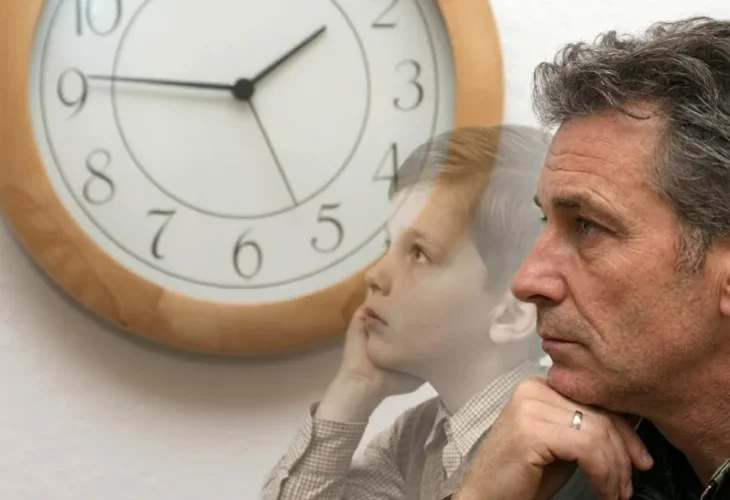
The feeling that time speeds up as we grow older is not merely a subjective illusion. Neuroscientists and psychologists have identified several reasons why our perception of time changes over the years, and they even offer practical ways to slow down the sensation that life is slipping by.
As children, summer vacation seemed endless, the next birthday felt impossibly far away, and it seemed as though we had all the time in the world. As adults, however, the experience is strikingly different. Years seem to fly by before we have time to process them. Holidays return almost as soon as they have passed, and even weekends disappear in the blink of an eye. Is this simply a feeling, or is there a scientific explanation?
Why Childhood Feels Longer
One of the primary reasons lies in the way the brain stores memories.
During childhood, nearly every experience is new. School, friendships, family outings, unfamiliar foods, and new smells all require the brain to process information it has never encountered before. Because these experiences are novel, the brain devotes significant attention to them, creating rich, detailed memories that make those years seem long and full.
As we get older, however, many of our days begin to look alike. We drive the same route to work, visit the same places, and repeat familiar routines. Since the brain already recognizes these patterns, it no longer invests as much attention in processing them. With fewer memorable events being recorded, long stretches of time seem surprisingly short when we look back on them.
The Power of New Experiences
Attention also plays a major role in how we experience time.
Whenever we learn a new skill, visit an unfamiliar place, or immerse ourselves in a fresh experience, the brain becomes highly engaged. This is why traveling to a foreign country or taking up a new hobby often makes time feel as though it has expanded. The brain is processing and storing an abundance of new information, making the experience feel richer and longer.
The Mathematics of Time
There is also a surprisingly simple mathematical explanation.
For a five year old child, one year represents 20 percent of an entire lifetime. For a fifty year old adult, that same year accounts for only 2 percent of life. As our personal timeline grows longer, each additional year becomes a smaller fraction of our overall experience, making it seem to pass more quickly.
Emotions Shape Our Internal Clock
Our emotional state also influences how quickly time appears to move.
During moments of stress, fear, or anxious anticipation, minutes can seem to stretch endlessly. On the other hand, when we are deeply engaged in an enjoyable activity or absorbed in meaningful work, the brain pays less attention to the passage of time, causing hours to disappear almost unnoticed.
Researchers have also found that dopamine, the neurotransmitter associated with motivation, learning, reward, and curiosity, plays a significant role in our perception of time. Novel experiences, personal achievements, and moments of excitement affect dopamine activity, which in turn influences how we estimate the passage of time.
How to Make Life Feel Longer
The encouraging news is that science offers a practical solution: break your routine.
Taking a different route to work, learning a new language, exploring unfamiliar places, reading books from a genre you've never tried before, or developing a new hobby all encourage the brain to build new neural connections and create fresh memories.
Studies suggest that people who continue learning, traveling, and seeking new experiences throughout adulthood not only feel that their lives are fuller and more meaningful, but also tend to enjoy better cognitive function and improved physical health.
Sometimes, making life feel longer does not require adding more years. It simply requires filling those years with experiences worth remembering.

