

Wonders of Creation
Scientists Discover Hidden Ocean Life That Could Revolutionize Modern Medicine
Extraordinary organisms living deep beneath the ocean surface may hold the key to fighting antibiotic resistant bacteria, developing breakthrough medicines, and transforming the future of healthcare
- Shira Dabush
- | Updated
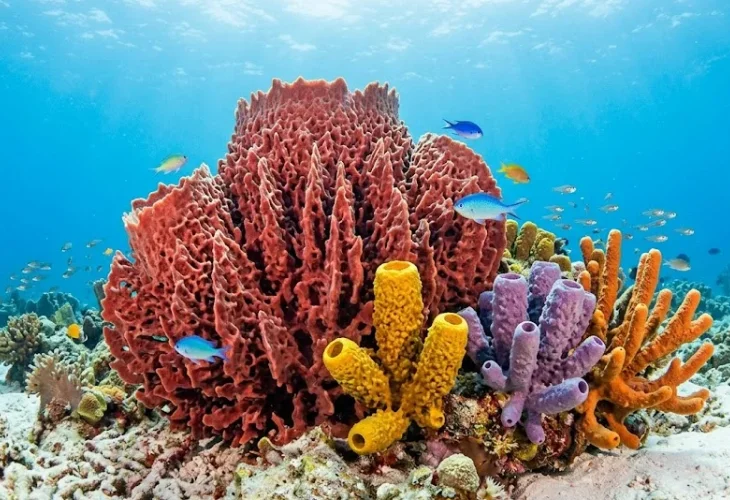
When we think about groundbreaking medical discoveries, most of us picture high-tech laboratories, researchers in white coats, and cutting-edge equipment. Yet a team of marine scientists exploring the ocean floor has returned with an unexpected discovery, that could have far-reaching implications for the future of medicine.
According to a new report published by Forbes, researchers have found that hydrothermal vents — superheated springs rich in minerals that erupt from the ocean floor, are home to remarkable organisms and microorganisms with extraordinary biological abilities.
To survive in such extreme conditions, these creatures produce unique molecules that protect them from harmful bacteria, help them adapt to their harsh environment, and enable them to thrive in places once thought incapable of supporting life.
A New Weapon Against Antibiotic Resistance
One of the greatest challenges facing modern medicine is the rise of antibiotic-resistant bacteria. As more microbes evolve resistance to existing antibiotics, scientists are racing to discover entirely new compounds capable of fighting dangerous infections.
This is where the deep sea may hold the answer.
Researchers have discovered that sea sponges and other little-studied deep-sea organisms harbor bacteria that naturally produce powerful antibiotic compounds. Laboratory testing has shown that some of these substances can inhibit — and even destroy, drug-resistant bacteria, raising hopes that they could one day serve as the basis for a new generation of antibiotics.
The Ocean's Hidden Pharmacy
Medicines derived from marine organisms are already being used to treat certain cancers and rare diseases. However, scientists believe these therapies represent only a tiny fraction of the ocean's medical potential.
"Most organisms living in the deep sea have never even been documented," explained one of the study's lead researchers. "It's entirely possible that some of the most important medical compounds are still waiting to be discovered."
One of the most surprising findings of recent years is that, in many cases, the marine organism itself is not the source of the beneficial compound.
"Often it is the tiny bacteria living on or inside these animals that produce the unique molecules," the researcher explained. "Understanding these symbiotic relationships has become an entire field of study because each of these microorganisms could hold the key to developing future medicines."
A Race Against Time
While scientists continue exploring the ocean's hidden biological treasures, mining companies around the world are increasingly interested in extracting the valuable minerals found on the seabed.
Researchers warn that large-scale deep-sea mining could permanently destroy fragile ecosystems before humanity has even had the opportunity to understand the organisms living there — or the life-saving compounds they may contain.
According to the scientists, every habitat lost could represent an irreversible loss of scientific knowledge and future medical breakthroughs.
How Much of the Deep Ocean Remains Unexplored?
Despite enormous advances in technology, researchers estimate that less than ten percent of the deep ocean has been thoroughly explored.
Nearly every scientific expedition uncovers new species of animals, bacteria, or fungi previously unknown to science. Each discovery expands our understanding of life on Earth and provides researchers with new opportunities to uncover biological mechanisms that may one day revolutionize modern medicine.
The ocean depths remain one of Earth's greatest frontiers, and perhaps one of humanity's greatest untapped sources of future medical discoveries.

