

World News
Vance Reveals Iran Pause Is Being Used to Refill Oil Markets
The comments may explain why Trump accepted a rushed and incomplete MOU that reopened Hormuz while leaving major questions unresolved
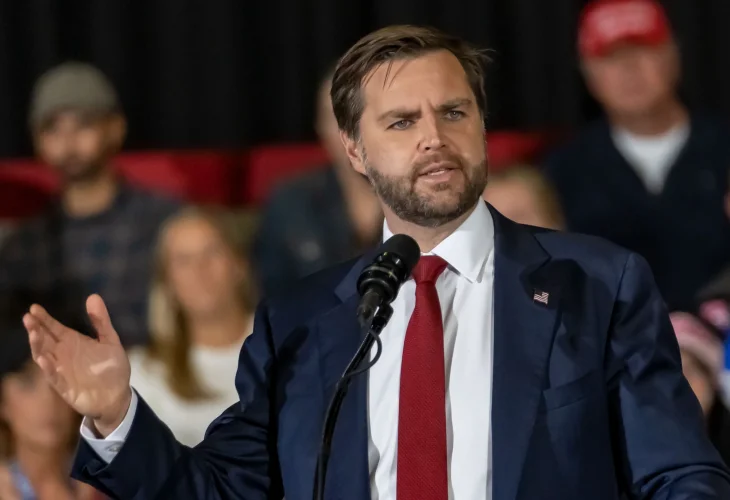 JD Vance (Shutterstock)
Vice President JD Vance said this week the Trump administration is using the 60-day Iran MOU period to “refill the world’s oil economy,” rebuild stocks and then reassess its next move.
The comments may help explain why President Donald Trump accepted the agreement last month, despite criticism that it appeared rushed, sudden and incomplete. The MOU reopened the Strait of Hormuz and created a 60-day window for nuclear talks, but left the core dispute over Iran’s nuclear program unresolved. Israeli reporting described it as a short framework meant to extend the ceasefire, lower oil prices and push the nuclear issue into future negotiations, meaning the deal did not solve the Iran question, but bought time while addressing the immediate pressure point: oil movement through Hormuz.
Speaking on the Michael Knowles Show, Vance addressed criticism that shipping through Hormuz had not fully returned to normal. He said critics were looking at total ship traffic, while the administration was focused on oil traffic in particular.
According to Vance, oil movement through the strait had already returned close to its pre-war level. That mattered, he said, because the administration wanted to use the MOU period to rebuild supply before deciding its next step on Iran.
“What the president has told us to do is use this MOU to sort of refill the world’s oil economy,” Vance said. He added that the goal was “to refill some stocks and then to see where the hand is.”
The point was not only lower oil prices. If Trump wanted to keep the option of renewed strikes open, the administration needed oil movement through Hormuz to resume first. Another round of fighting could again disrupt shipping, raise fuel costs and strain supply, especially after inventories had already been drawn down.
That is what began to happen after the MOU. Bloomberg reported that crude exports through Hormuz had climbed above 10 million barrels per day, while U.S. commercial crude inventories had fallen to their lowest level since March 2025. Reuters also reported that oil prices fell after U.S.-Iran talks in Doha.
That easing of pressure mattered because Vance said the military option also remains open. He described two paths: a long-term deal with Iran, or preserving the gains from the military campaign and acting again if Trump decides it is necessary.
“We have the option of pursuing a long-term deal with the Iranians, but that requires a significant change in their behavior,” Vance said in the interview. “We have the option of banking our wins and then of course doing things on top of that if the president feels that we have to.”
He said both options are “very much in play,” while Trump lets them develop “in an environment where there is significantly less pressure on the world energy economy.”
Trump has also kept military pressure on the table. According to a Wall Street Journal report this week, Trump recently discussed the possibility of renewed large-scale strikes on Iran with Defense Secretary Pete Hegseth and Gen. Dan Caine, chairman of the Joint Chiefs of Staff. The discussions reportedly focused on whether the U.S. should end negotiations and return to full-scale military action. For now, Trump has chosen to continue talks, with one American official saying the president believes another broad round of strikes could disrupt diplomacy and hurt the chances of dismantling Iran’s nuclear program. At the same time, Trump has not ruled out limited strikes if Iran violates the MOU.
That is where Vance’s comments become important. If the military option is still open, then reopening Hormuz and calming the oil market gives Trump more room to maneuver before deciding whether to accept a final nuclear deal or return to force.
In that reading, the MOU was not designed to solve Iran in one move. It bought time. The agreement reduced the economic pressure of keeping military options open. It may also explain why Trump accepted a deal that looked rushed and incomplete: the immediate goal was not a final peace agreement, but a 60-day reset before the next decision.

