

Seventeenth of Tammuz (Shiva Asar B'Tammuz)
17th of Tammuz (Fast of Tammuz): Meaning, History & Customs
The Complete Guide to Shiva Asar B'Tammuz 2026 — Dates, the Five Tragedies, Laws of the Fast, Vayechal Moshe & the Aneinu Prayer in Hebrew & English
- Hidabroot
- | Updated
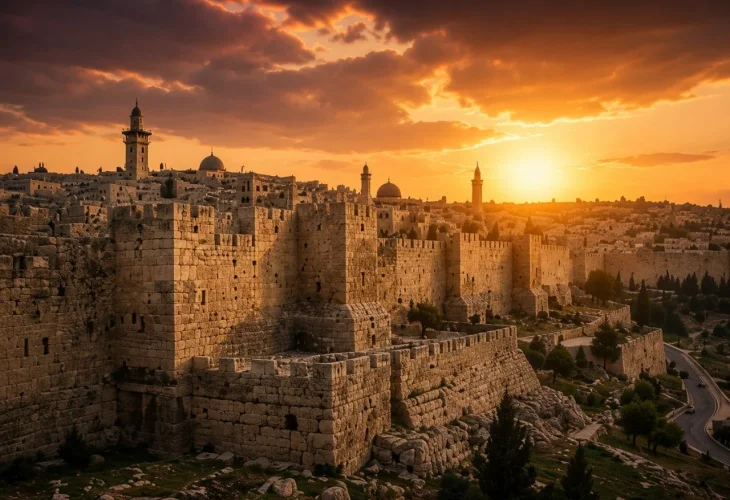 Ancient walls of Jerusalem — the site of the breach commemorated on the 17th of Tammuz
The 17th of Tammuz (Shiva Asar B'Tammuz) 2026 falls on Thursday, July 2, 2026 — a day of fasting, mourning, and reflection that opens one of the most solemn periods of the Jewish year. The fast commemorates five tragedies that occurred on this date across Jewish history, culminating in the breach of Jerusalem's walls before the destruction of the Second Temple. It marks the beginning of The Three Weeks, a twenty-two-day period of mourning that ends on Tisha B'Av, the ninth of Av — the anniversary of the Temple's destruction.
This complete guide covers the dates, the five tragedies, the laws of fasting and exemptions, the synagogue prayers and Torah readings (with full Hebrew and English text), the Three Weeks customs, and the spiritual meaning of the day.
What is the 17th of Tammuz?
The 17th of Tammuz is a Jewish fast day observed on the seventeenth day of the Hebrew month of Tammuz. It is classified as a minor fast (ta'anit kalah) — meaning it begins at dawn and ends at nightfall, and involves only the prohibition of food and drink (unlike the major fasts of Yom Kippur and Tisha B'Av, which carry additional restrictions and last longer).
The Mishnah (Ta'anit 4:6) records that five tragedies in Jewish history occurred on this date, and the Sages instituted the fast to commemorate them collectively. The day is also the opening of the Three Weeks — known in Hebrew as Bein HaMetzarim ("Between the Straits") — the period of national mourning over the destruction of the Holy Temple in Jerusalem that culminates with the fast of Tisha B'Av.
The Hebrew Name — Shiva Asar B'Tammuz
The Hebrew name for the 17th of Tammuz is שִׁבְעָה עָשָׂר בְּתַמּוּז — Shiva Asar B'Tammuz — literally "seventeen in Tammuz." The month of Tammuz is the fourth month of the Hebrew calendar, typically falling in the summer (June–July). The name Tammuz has roots in ancient Mesopotamian culture, though within Jewish tradition it is simply the name of the month in which these events occurred.
Why It's Also Called "The Fast of Tammuz"
The 17th of Tammuz is often referred to in English as "the Fast of Tammuz" or simply "the Tammuz fast," because it is the only fast that falls in the month of Tammuz. This name is not a formal title found in halachic literature (where it is called "Shiva Asar B'Tammuz" or "Tzom Tammuz") but has become common in English usage and is widely understood.
The prophet Zechariah refers to it as "the fast of the fourth month" (Zechariah 8:19), in a prophetic vision of a future era in which all four fasts — including this one — will be transformed into days of joy. This verse forms the scriptural foundation for the fast's existence and for the hope of its eventual abolition.
Why Do Jews Fast? A Powerful Perspective on Joy, Faith, and Jewish Identity
When is the 17th of Tammuz 2026?
The 17th of Tammuz 2026 falls on Thursday, July 2, 2026. The fast begins at dawn (approximately 72 minutes before sunrise, depending on location) and ends at nightfall. Tisha B'Av 2026 falls on Thursday, July 23, 2026 — exactly three weeks later.
The 17th of Tammuz 2026 opens a summer period of mourning. The Three Weeks begin on July 2 and end with the fast of Tisha B'Av on July 23 — three weeks of gradually intensifying communal mourning over the destruction of Jerusalem and the Temple.
Dates for the Coming Years
| Hebrew Year | 17th of Tammuz | Day of Week | Tisha B'Av |
|---|---|---|---|
5786 | July 2, 2026 | Thursday | July 23, 2026 |
5787 | July 22, 2027 | Wednesday | August 12, 2027 |
5788 | July 11, 2028 | Tuesday | August 1, 2028 |
5789 | Postponed to | Monday (postponed from Shabbat) | July 21, 2029 |
When the 17th Falls on Shabbat — The Postponed Fast
When the 17th of Tammuz falls on Shabbat — as it will in 2029 — the fast is postponed to the following day, Sunday the 18th of Tammuz. This is because fasting on Shabbat (other than Yom Kippur) is prohibited; Shabbat is a day of joy and rest, not mourning. The rule — that the fast is "pushed off" (nidcheh) rather than observed early on Friday — applies to all minor fasts that fall on Shabbat, and is codified in the Shulchan Aruch (Orach Chayim 550:3). The last time the 17th of Tammuz fell on Shabbat and was postponed was in 2022.
The Five Tragedies of the 17th of Tammuz
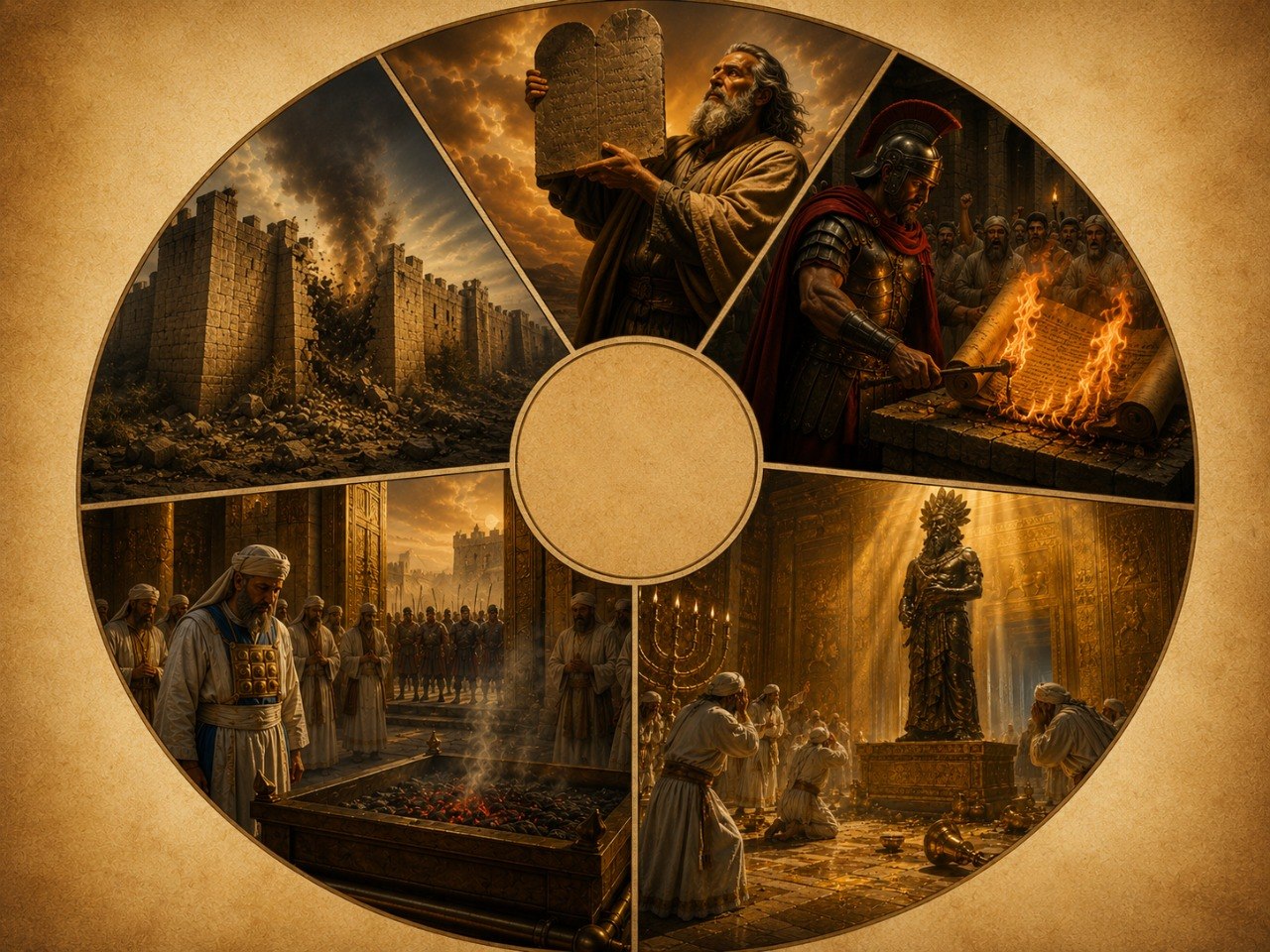 The five tragedies of the 17th of Tammuz
The Mishnah (Ta'anit 4:6) records five tragedies that occurred on the seventeenth of Tammuz across Jewish history. The Talmud (Ta'anit 28b) elaborates on each. These five events span more than a millennium — from the time of Moses to the Roman destruction of Jerusalem — and together form the basis for the fast.
The Five Tragedies of the 17th of Tammuz: History, Meaning, and Lessons for Today
1. Moses Broke the Tablets at Mount Sinai
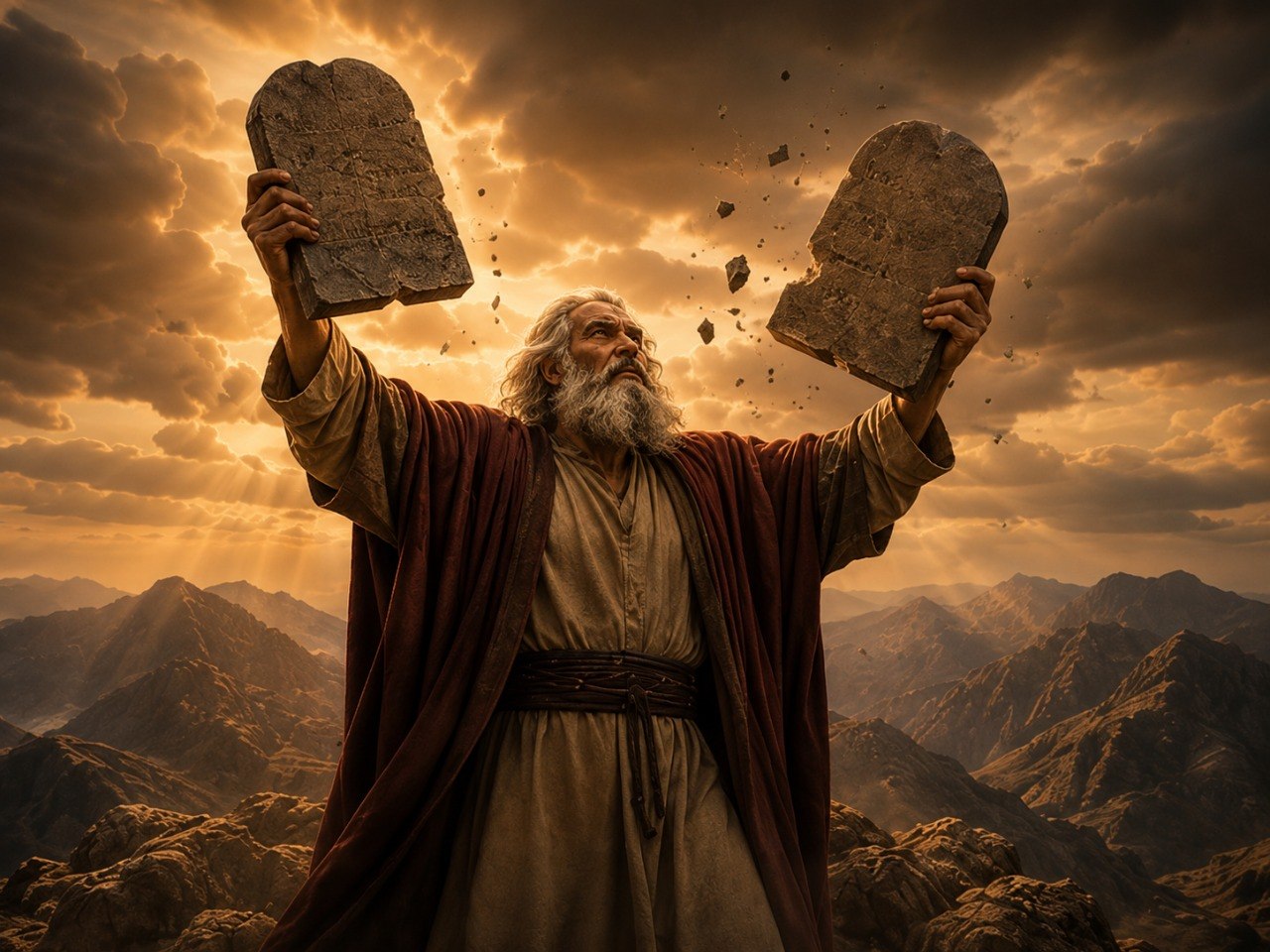 Moses breaking the Tablets at Mount Sinai after seeing the Golden Calf
The first and most foundational of the five tragedies: on the seventeenth of Tammuz in the year 2448 on the Hebrew calendar (approximately 1313 BCE), Moses descended from Mount Sinai carrying the Two Tablets of the Law — the tablets inscribed by God with the Ten Commandments. He had been on the mountain for forty days, receiving the Torah. But when he came down and saw the Israelites dancing around the Golden Calf, he shattered the Tablets at the foot of the mountain (Exodus 32:19).
This event is considered the paradigmatic spiritual catastrophe: the very day the Jewish people received God's word in stone, they betrayed it. The broken tablets became a symbol of the break between God and His people — and the fast of the 17th of Tammuz is, at its root, a response to that primal rupture. The repair of that rupture — a new set of tablets, a second covenant — was completed on Yom Kippur, when Moses descended with the second tablets after forty more days of prayer and divine forgiveness.
2. The Daily Sacrifice (Tamid) Ceased in the First Temple
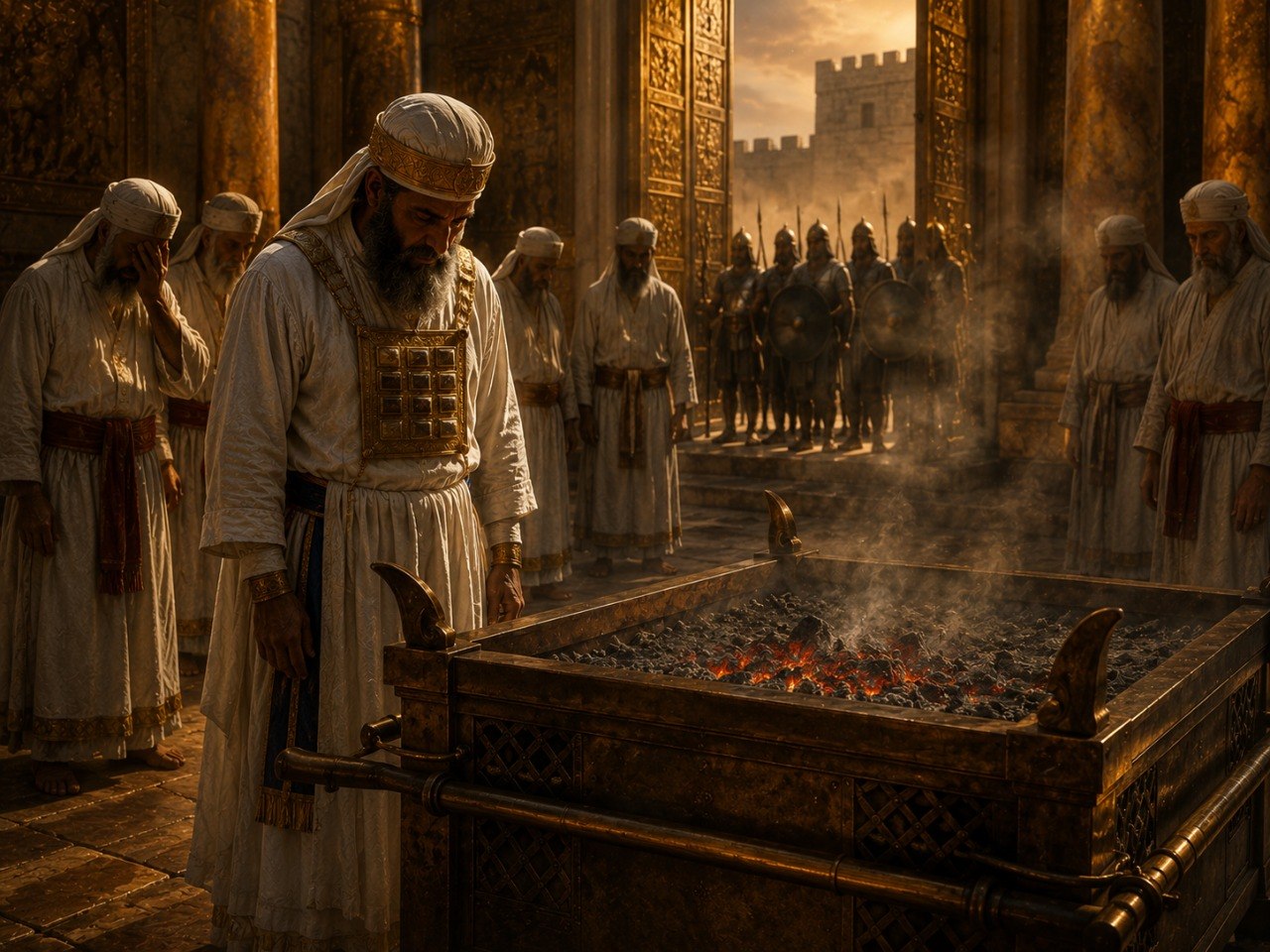 Jewish High Priest mourning the cessation of the daily Tamid offering as Babylonian soldiers advance on the Temple
 The second tragedy: during the Babylonian siege of Jerusalem (which ultimately destroyed the First Temple in 586 BCE), the daily burnt offering — the Tamid — was discontinued. The Tamid was offered twice daily in the Temple, morning and afternoon, and represented the continuous covenant between God and Israel. When the besieging Babylonian forces cut off the supply of sacrificial animals, this continuous service — which had been maintained uninterrupted since the dedication of the Tabernacle in the wilderness — came to an end.
The cessation of the Tamid was a devastating spiritual blow: the channel of divine service and atonement was severed even before the Temple itself was destroyed. This occurred, according to the Talmud (Ta'anit 28b), on the seventeenth of Tammuz.
3. The Walls of Jerusalem Were Breached (Second Temple)
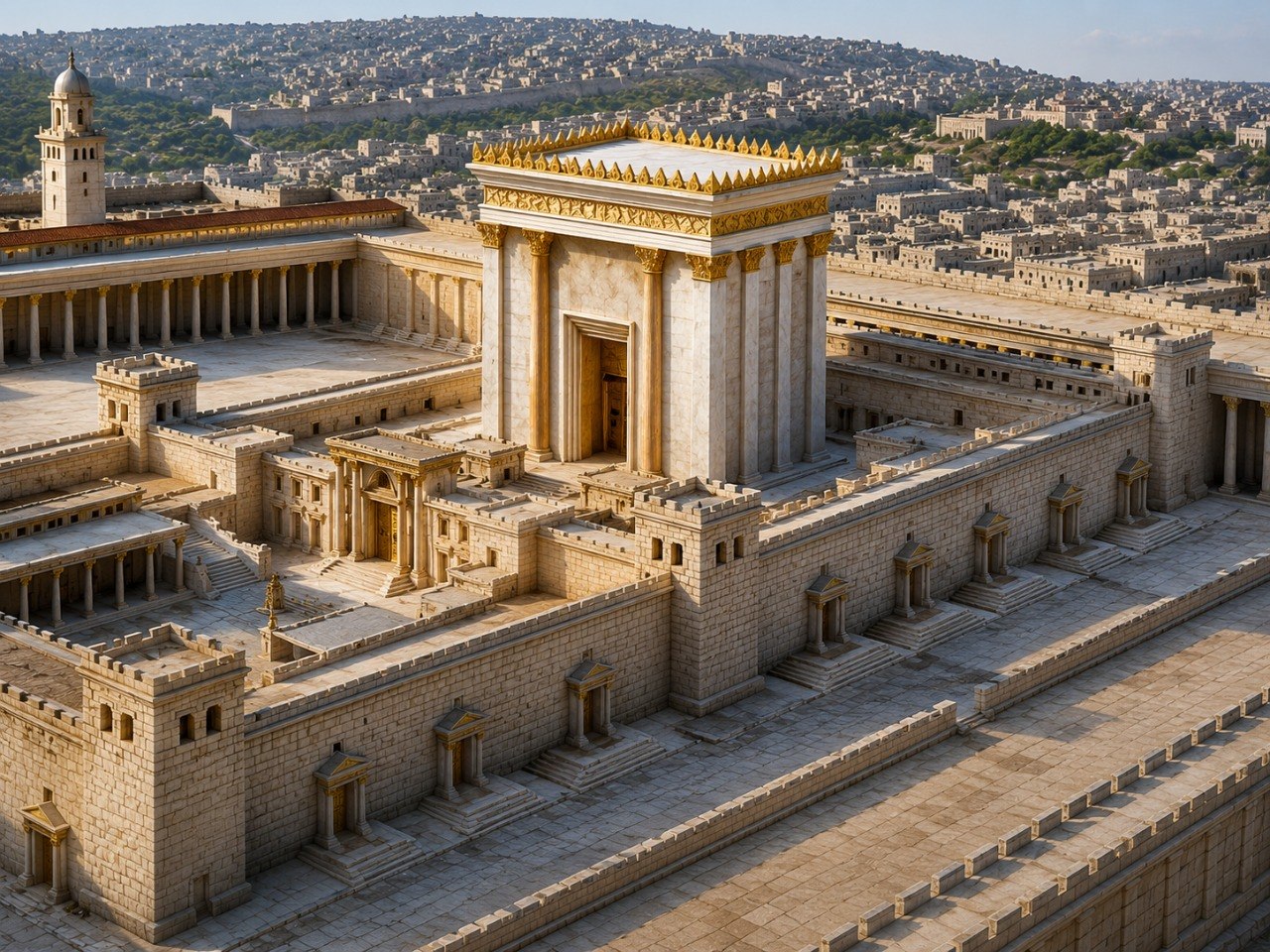 Model of the Second Temple in Jerusalem before its destruction
The third tragedy is the one most directly connected to the fast's central theme: on the seventeenth of Tammuz in the year 70 CE, the Roman forces under the command of Titus breached the walls of Jerusalem after months of siege. The breach of the outer wall opened the path to the city and ultimately to the Temple Mount, where the Second Temple was destroyed twenty-two days later, on the ninth of Av.
The Mishnah notes that in the time of the First Temple (Babylonian siege), the walls of Jerusalem were breached on the ninth of Tammuz (2 Kings 25:3–4, Jeremiah 52:6), not the seventeenth. It was in the era of the Second Temple, under Roman siege, that the catastrophic wall breach occurred on the seventeenth. The fast consolidates the mourning of both destructions under the same date.
4. Apostomus Burned the Torah Scroll
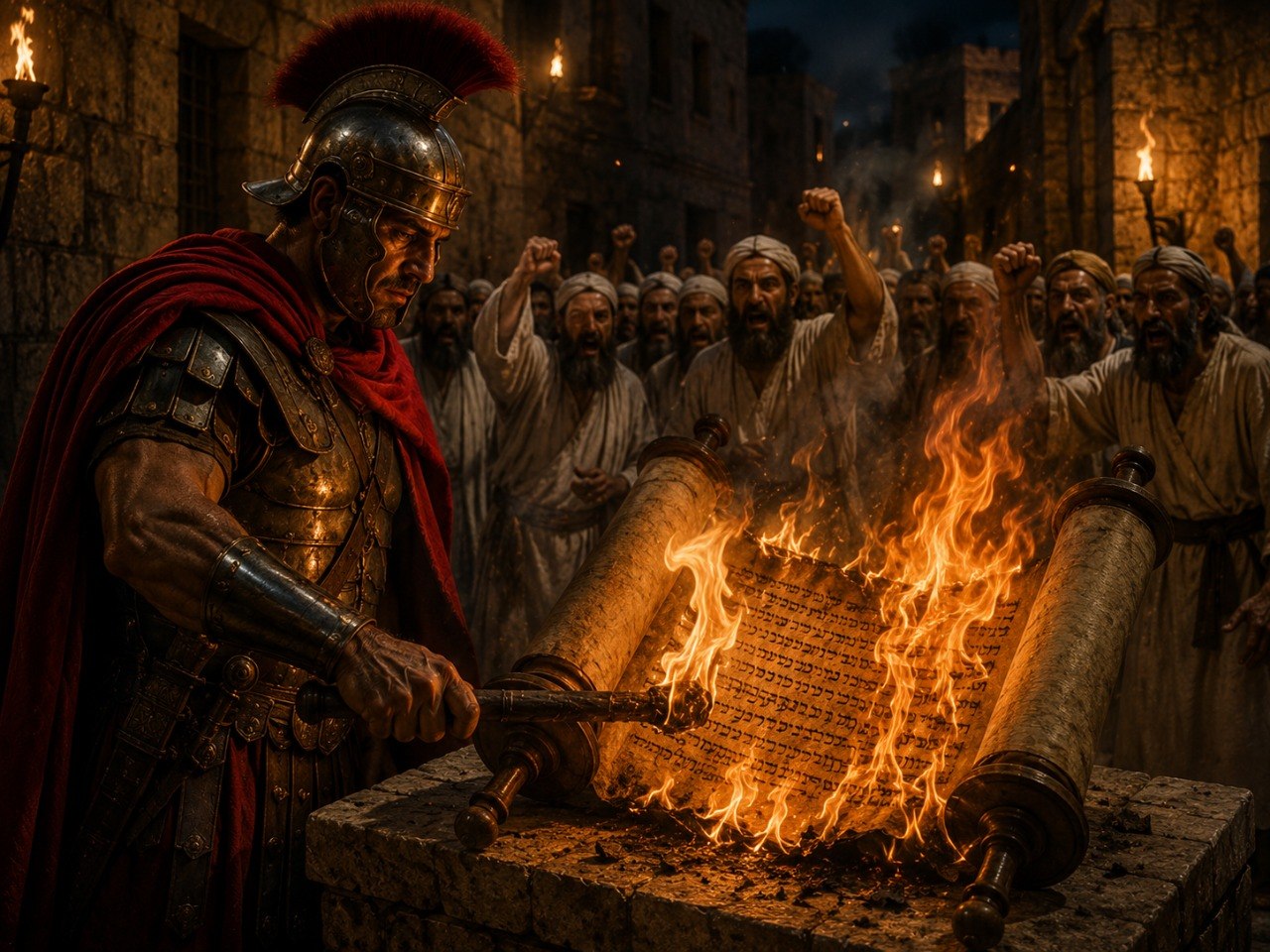 Roman soldier Apostomus burning a Torah scroll in Jerusalem
 The fourth tragedy recorded in the Mishnah: a Roman officer known as Apostomus publicly burned a Torah scroll. The Talmud records this as one of the five defining desecrations of this date, but his precise historical identity and the exact period in which he operated are not fully established in classical sources. He is identified in the Talmud simply as a Roman official who committed this act of religious desecration.
The burning of a Torah scroll by a foreign oppressor represented a direct assault on the Jewish people's most sacred object and their most fundamental spiritual identity — the written word of God. This event, like the Golden Calf, represents an attack on the Torah itself.
5. An Idol Was Placed in the Holy Temple
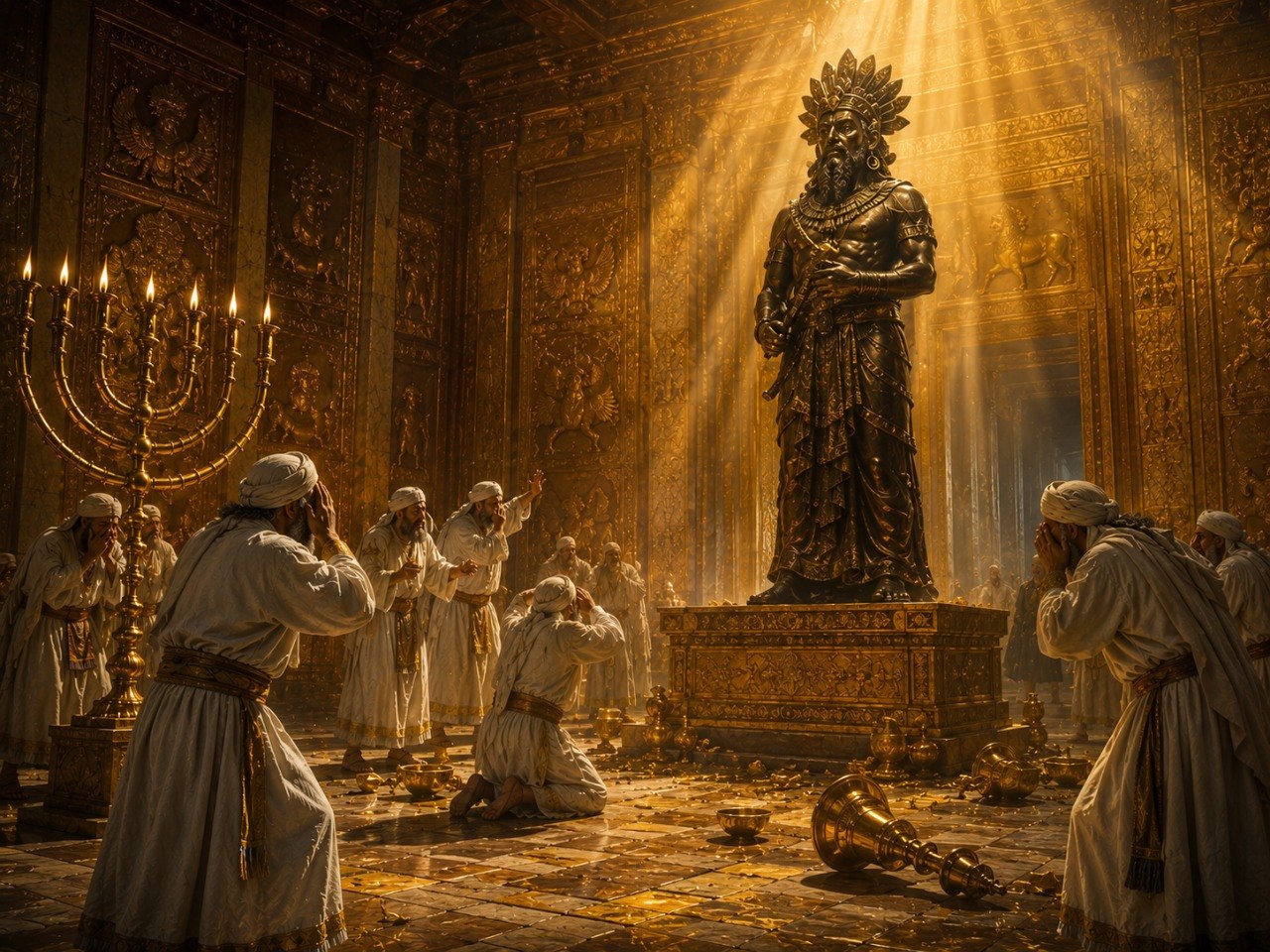 A pagan idol erected inside the Holy Temple in Jerusalem, desecrating the sacred space
The fifth tragedy: an idol was placed inside the Temple Sanctuary. The Talmud (Ta'anit 28b) also associates this act with Apostomus, though some authorities identify it with the earlier act of King Manasseh (2 Kings 21:7), who placed an idol in the Temple during the First Temple era. Others connect it to the Seleucid Greek defilement of the Temple in the Maccabean period. Whatever its precise historical identification, the placement of an idol within the Holy of Holies — the innermost chamber representing God's presence in Israel — constituted the ultimate desecration.
Together, the five tragedies tell a coherent story: a people who received the Torah, broke its covenant, lost their continuous service to God, saw their capital breached, their sacred text burned, and their holiest space profaned. The fast of the 17th of Tammuz is a day to sit with that story and ask how we participate in it.
The Historical Context — Jerusalem Under Siege
The Roman Siege of 70 CE
The breach of Jerusalem's walls on the 17th of Tammuz occurred in the context of the Great Jewish Revolt against Rome (66–73 CE). The revolt began in 66 CE with Jewish uprisings against the Roman procurator's corrupt administration and the seizure of Temple treasury funds. After early Jewish victories — including the rout of the Roman legate Cestius Gallus — Emperor Nero dispatched the experienced general Vespasian to subdue the rebellion. Vespasian methodically conquered Galilee in 67 CE, then advanced toward Judea.
When Nero died in 68 CE and Vespasian was proclaimed emperor in 69 CE, command of the war passed to his son Titus. By the spring of 70 CE, Titus had positioned four Roman legions around Jerusalem — the 5th, 10th, 12th, and 15th — along with substantial auxiliary forces, totaling tens of thousands of troops. The Roman siege involved the construction of earthen ramparts and battering rams against the city's three successive walls.
Inside the city, the situation was catastrophic. Three competing Jewish factions controlled different sectors of Jerusalem and waged brutal warfare against one another: Eleazar ben Shimon held the Temple complex; John of Gischala (Yochanan of Gush Chalav) controlled the central city; and Simon bar Giora dominated the upper city. In the months before the Roman siege intensified, these factions had burned each other's food storehouses — sealing the city's fate by destroying its ability to withstand a long siege. The Talmud (Gittin 56a) records the famous episode of Marta bat Baytos and the destruction of the storehouses by the biryonim (zealots), as a vivid illustration of internal Jewish strife.
By the 17th of Tammuz, the outer wall fell. The Romans then advanced through the lower city. The Antonia Fortress, adjacent to the Temple Mount, was captured shortly thereafter. The fighting within the city continued for twenty-two more days. On the 9th of Av, the Romans breached the Temple Mount and set the Holy Temple ablaze. The destruction of the Second Temple — exactly 656 years after the destruction of the First — was complete.
The historian Josephus Flavius (Yosef ben Matityahu), himself a Jewish commander who surrendered to Vespasian and went over to the Roman side, recorded these events in detail in his work The Jewish War (De Bello Judaico), which remains the primary historical source for the timeline.
From Breach to Destruction — The Three Weeks
The twenty-two days between the 17th of Tammuz and the 9th of Av in 70 CE were days of desperate urban combat, hunger, and slaughter. The Romans systematically advanced through the city's neighborhoods toward the Temple Mount. The Temple was set alight on the 9th of Av — a date that coincided, as the Talmud records, with the destruction of the First Temple by the Babylonians centuries earlier. This uncanny calendar parallel deepened the Jewish sense that the 9th of Av was a date of cosmic significance, and that the events between 17 Tammuz and 9 Av formed a single continuous unit of national catastrophe.
The Jewish calendar preserved this historical memory by designating this period — from the 17th of Tammuz to the 9th of Av — as The Three Weeks (Bein HaMetzarim), an annual period of communal mourning and introspection.
The 17th of Tammuz and the Three Weeks
What Are the Three Weeks (Bein HaMetzarim)?
The Three Weeks: A twenty-two-day period of mourning beginning on the 17th of Tammuz and ending with the fast of Tisha B'Av. In 2026: July 2 – July 23. The Hebrew name Bein HaMetzarim ("Between the Straits") comes from Lamentations 1:3.
The Hebrew name Bein HaMetzarim — "Between the Straits" — is drawn from the Book of Lamentations (1:3): "all her pursuers overtook her within the straits." It evokes the image of a people trapped, with no way out, as catastrophe closes in from both sides. The twenty-two days of the Three Weeks, in the Jewish calendar, recreate that existential constriction.
In 2026, the Three Weeks run from Thursday, July 2 (17 Tammuz) through Thursday, July 23 (Tisha B'Av), with the fast of Tisha B'Av itself ending on the night of July 23/24.
Customs of Mourning — Music, Weddings, Haircuts
Throughout the Three Weeks, certain mourning practices apply. The customs intensify as the period progresses:
Throughout the Three Weeks (from 17 Tammuz):
- No weddings or other festivities are held.
- In many communities, no music is listened to — neither live nor recorded — as an expression of communal mourning. This is a widespread minhag (custom).
- Haircuts are not taken in many Ashkenazi communities throughout the Three Weeks; some Sephardic communities begin this restriction only from Rosh Chodesh Av.
From Rosh Chodesh Av (July 15, 2026 in 5786) — the "Nine Days": The mourning intensifies during the first nine days of Av:
- Ashkenazi custom: no meat or wine is consumed (except on Shabbat), and no new clothing is purchased or worn.
- Sephardic custom: these restrictions generally begin from the week of Tisha B'Av.
- No bathing for pleasure, laundry, or construction projects (except where necessary).
Shabbat during the Three Weeks is observed fully and joyfully — the mourning practices do not apply on Shabbat. Shabbat Chazon (the Shabbat before Tisha B'Av) retains full Shabbat observance, though many read the Haftarah in a mournful tone.
Connection to Tisha B'Av
The 17th of Tammuz and Tisha B'Av are bound together in Jewish consciousness as two ends of a single arc of catastrophe. The 17th represents the initial breach — the moment the walls gave way — while the 9th of Av represents the final fall. The Three Weeks between them are the calendar's way of ensuring that Jewish memory holds both moments together, experiencing the progression from vulnerability to destruction rather than leaping straight to the endpoint.
The Talmud (Yoma 9b) teaches that the Second Temple was destroyed because of sinat chinam — baseless hatred among Jews. The Three Weeks, which begins with the 17th of Tammuz, is therefore understood as a time for examining the moral failures that led to destruction — and for working to repair them.
Laws and Customs of the Fast
Fasting from Dawn to Dusk
Fasting Rules: The 17th of Tammuz fast is a minor fast: food and drink are prohibited from dawn (alot hashachar) until nightfall (tzeit hakochavim). Unlike Yom Kippur, only eating and drinking are prohibited — bathing, wearing shoes, and other Yom Kippur restrictions do not apply.
The fast of the 17th of Tammuz begins at alot hashachar (the halachic dawn, approximately 72 minutes before sunrise, though the exact calculation varies by location and authority) and ends at tzeit hakochavim (nightfall, when three medium stars appear — approximately 20–50 minutes after sunset, depending on location and custom).
The fast prohibits only eating and drinking — including water. Unlike the major fasts of Yom Kippur and Tisha B'Av, the minor fasts do not restrict bathing, wearing leather shoes, applying cosmetics or ointments, or marital relations. These four additional prohibitions apply only on Yom Kippur and Tisha B'Av.
A person who wakes up before dawn and wishes to eat should do so before dawn — once the fast has begun, eating or drinking at any point during the day is prohibited.
The Meal Before the Fast (Seudat Mafseket)
Unlike Tisha B'Av — where the meal before the fast (seudat mafseket) is governed by formal mourning restrictions and is eaten while seated on the floor with specific limitations — the meal preceding the 17th of Tammuz has no special restrictions. One may eat normally the night before, and may also wake up before dawn for an early meal if desired.
Many people have the custom of waking up before dawn for a light meal and drinking water before the fast begins. This is permitted as long as it is completed before alot hashachar. To allow oneself to eat or drink before dawn after going to sleep, one should explicitly state before going to bed that one intends to wake up and eat — without such a stipulation, some halachic authorities consider going to sleep as an implicit acceptance of the fast.
Who is Exempt from the Fast?
Because the 17th of Tammuz is a minor fast, the threshold for exemption is lower than for Yom Kippur or Tisha B'Av. The following individuals are exempt or may eat:
Sick people (cholim): A person who is ill — even without life-threatening danger, but simply feeling significantly unwell — is generally exempt from the minor fasts. This includes those with significant pain, fever, weakness, or medical conditions that fasting would worsen. Those with chronic medical conditions should consult their rabbi and doctor.
Pregnant women: Most Ashkenazi authorities rule that pregnant women are exempt from the minor fasts if fasting causes them significant discomfort. Many authorities exempt pregnant women entirely from minor fasts. Sephardic practice may vary — consult a rabbi.
Nursing women: Similarly, nursing mothers who would experience significant discomfort or whose milk supply would be affected are generally exempt from the minor fasts in Ashkenazi practice.
Children: Children below bar and bat mitzvah age (13 for boys, 12 for girls) are not obligated to fast. From a young age, children may be trained gradually to fast for shorter periods, but full fasting is not required.
The very elderly: Elderly individuals for whom fasting poses significant health risks are exempt.
Unlike Yom Kippur and Tisha B'Av, where very ill people must still eat in small measured amounts, those exempt from the minor fasts may eat normally.
17th of Tammuz Fast: Who Must Fast, Who Is Exempt, and Essential Halachic Laws
What is Permitted vs. Prohibited
Practice | 17 Tammuz | Tisha B'Av | Yom Kippur |
|---|---|---|---|
Eating and drinking | ❌ Prohibited | ❌ Prohibited | ❌ Prohibited |
Bathing / showering | ✅ Permitted | ❌ Prohibited | ❌ Prohibited |
Wearing leather shoes | ✅ Permitted | ❌ Prohibited | ❌ Prohibited |
Marital relations | ✅ Permitted | ❌ Prohibited | ❌ Prohibited |
Applying ointments/cosmetics | ✅ Permitted | ❌ Prohibited | ❌ Prohibited |
Brushing teeth | ✅ Permitted (carefully) | ❌ Generally prohibited | ❌ Generally prohibited |
Swallowing medication | ✅ Permitted | ✅ Permitted (sick) | ✅ Permitted (sick) |
Work | ✅ Permitted | ✅ Permitted (discouraged) | ❌ Prohibited |
Duration | Dawn to nightfall | Dawn to nightfall | ~25 hours (eve to nightfall) |
Brushing teeth: Permitted on the 17th of Tammuz, but one should be careful not to swallow any water or toothpaste. Many authorities advise using a minimal amount of water and rinsing carefully.
Medication: Swallowing pills without water is permitted (there is no taste or substance being consumed in a halachically meaningful sense). For those who cannot swallow pills dry, a small amount of water (or pills coated with a bitter substance) may be used — consult a rabbi for individual guidance.
Is the 17th of Tammuz a Work Holiday?
No. Unlike major Jewish festivals (Yom Tov) and Yom Kippur, the 17th of Tammuz carries no prohibition on work. Schools, businesses, and workplaces operate normally. The fast is observed privately and through synagogue services in the morning and afternoon, but daily life continues. Many people work a normal day while fasting, and many synagogues schedule Mincha services in the late afternoon to accommodate working schedules.
Comparison with Yom Kippur and Tisha B'Av
The Jewish calendar has several fast days, falling into two categories:
Major fasts (taaniyot gedolot):
- Yom Kippur — the most stringent fast, biblical in origin, lasting approximately 25 hours (sunset to nightfall the next day), with five prohibitions.
- Tisha B'Av — rabbinic in origin (though treated almost like a biblical fast in stringency), from dawn to nightfall, with five prohibitions and mourning practices.
Minor fasts (taaniyot kalot):
- 17th of Tammuz, Fast of Gedaliah (3 Tishrei), 10th of Tevet, Fast of Esther (13 Adar) — from dawn to nightfall, food and drink only.
The 17th of Tammuz is fully in the "minor fast" category. Its comparatively lighter restrictions reflect the fact that it is a step removed from the actual destruction (which is mourned on Tisha B'Av).
Prayers and Synagogue Services
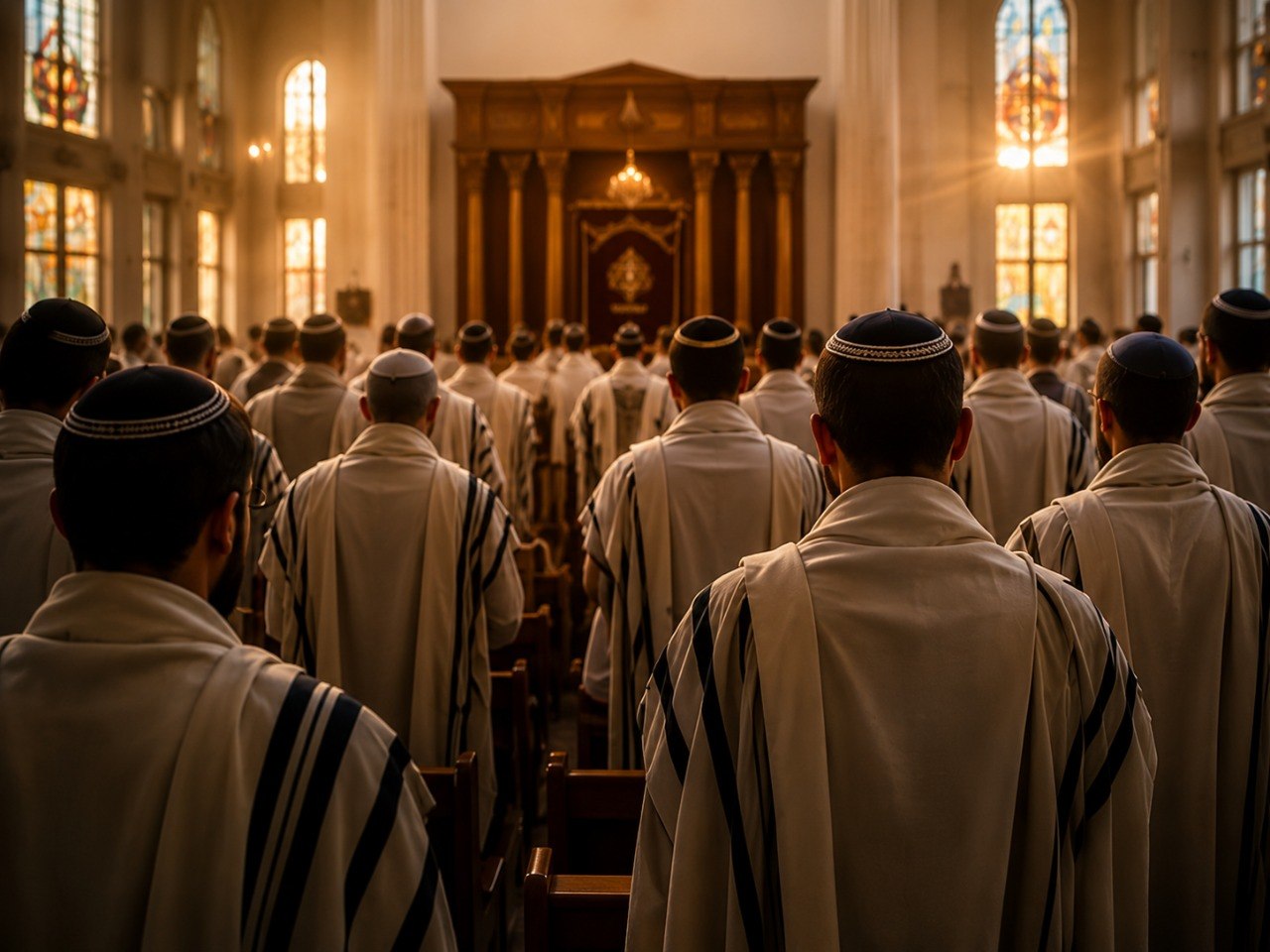 Jewish men praying Selichot on the morning of the 17th of Tammuz fast
Aneinu — The Special Fast Day Prayer (Hebrew & English)
On all fast days, a special insertion called Aneinu ("Answer us") is added to the Amidah (the central standing prayer). The text of Aneinu is a plea for God to answer the prayer of the nation as He answered the prayers of the biblical figures who fasted before Him.
- In Shacharit (morning prayer): the prayer leader (chazan) adds Aneinu as a separate blessing in the repetition of the Amidah, between "Goel Yisrael" and "Refaeinu." Individual worshippers in most Ashkenazi practice do not add a full Aneinu at Shacharit (since the fast has barely begun and some may yet be permitted to eat for medical reasons), but insert a brief mention within the "Shma Koleinu" blessing.
- In Mincha (afternoon prayer): both the chazan and individual worshippers add Aneinu in the full form, as the fast is now well underway.
עֲנֵנוּ יְהוָה עֲנֵנוּ בְּיוֹם צוֹם תַּעֲנִיתֵנוּ, כִּי בְצָרָה גְדוֹלָה אֲנָחְנוּ. אַל תֵּפֶן אֶל רִשְׁעֵנוּ, וְאַל תַּסְתֵּר פָּנֶיךָ מִמֶּנּוּ, וְאַל תִּתְעַלַּם מִתְּחִנָּתֵנוּ. הֱיֵה נָא קָרוֹב לְשַׁוְעָתֵנוּ, יְהִי נָא חַסְדְּךָ לְנַחֲמֵנוּ; טֶרֶם נִקְרָא אֵלֶיךָ עֲנֵנוּ, כַּדָּבָר שֶׁנֶּאֱמַר: וְהָיָה טֶרֶם יִקְרָאוּ וַאֲנִי אֶעֱנֶה, עוֹד הֵם מְדַבְּרִים וַאֲנִי אֶשְׁמָע. כִּי אַתָּה יְהוָה הָעוֹנֶה בְּעֵת צָרָה, פּוֹדֶה וּמַצִּיל בְּכָל עֵת צָרָה וְצוּקָה. בָּרוּךְ אַתָּה יְהוָה הָעוֹנֶה בְּעֵת צָרָה.
Answer us, O Lord, answer us on the day of our fast, for we are in great distress. Do not turn to our wickedness, do not hide Your face from us, and do not ignore our plea. Be near, please, to our cry; let Your lovingkindness comfort us. Before we call to You, answer us, as it is said: "And it shall be that before they call, I will answer; while they are still speaking, I will hear" (Isaiah 65:24). For You, O Lord, are the One who answers in time of distress, who redeems and rescues in every time of distress and trouble. Blessed are You, O Lord, who answers in time of distress.
Avinu Malkeinu and Selichot
Avinu Malkeinu ("Our Father, Our King") — the plaintive refrain of petition recited on Yom Kippur and during the Ten Days of Repentance — is also added to the services of the 17th of Tammuz in many Ashkenazi communities, at both Shacharit and Mincha. This practice reflects the fast day's character as a day of petition and repentance.
Selichot (penitential prayers) are recited in many Ashkenazi communities at the Shacharit service of the 17th of Tammuz. The Selichot for this fast follow a specific liturgical order. Sephardic communities generally do not recite Selichot on the 17th of Tammuz.
Tachanun (supplications) is recited at Mincha, though it is omitted at Mincha of the following day (the 18th of Tammuz) in some communities.
Torah Reading — Vayechal Moshe (Hebrew & English)
On the 17th of Tammuz, the Torah is read at both Shacharit and Mincha. Three people are called up (a Kohen, a Levi, and an Israelite) for each reading. The portion read is known as "Vayechal Moshe" — a combination of two passages from the Book of Exodus.
The same Vayechal Moshe portion is read on all four minor fasts: 17 Tammuz, Fast of Gedaliah, 10 Tevet, and Fast of Esther — making this one of the most read passages in the entire Jewish liturgical year.
First passage — Exodus 32:11–14 (Moses' Prayer After the Golden Calf)
וַיְחַל מֹשֶׁה, אֶת-פְּנֵי יְהוָה אֱלֹהָיו; וַיֹּאמֶר, לָמָה יְהוָה יֶחֱרֶה אַפְּךָ בְּעַמֶּךָ, אֲשֶׁר הוֹצֵאתָ מֵאֶרֶץ מִצְרַיִם, בְּכֹחַ גָּדוֹל וּבְיָד חֲזָקָה.
לָמָּה יֹאמְרוּ מִצְרַיִם לֵאמֹר, בְּרָעָה הוֹצִיאָם לַהֲרֹג אֹתָם בֶּהָרִים, וּלְכַלֹּתָם, מֵעַל פְּנֵי הָאֲדָמָה; שׁוּב מֵחֲרוֹן אַפֶּךָ, וְהִנָּחֵם עַל-הָרָעָה לְעַמֶּךָ.
זְכֹר לְאַבְרָהָם לְיִצְחָק וּלְיִשְׂרָאֵל עֲבָדֶיךָ, אֲשֶׁר נִשְׁבַּעְתָּ לָהֶם בָּךְ, וַתְּדַבֵּר אֲלֵהֶם, אַרְבֶּה אֶת-זַרְעֲכֶם כְּכוֹכְבֵי הַשָּׁמָיִם; וְכָל-הָאָרֶץ הַזֹּאת אֲשֶׁר אָמַרְתִּי, אֶתֵּן לְזַרְעֲכֶם, וְנָחֲלוּ, לְעֹלָם.
וַיִּנָּחֶם, יְהוָה, עַל-הָרָעָה, אֲשֶׁר דִּבֶּר לַעֲשׂוֹת לְעַמּוֹ.
Moses implored the presence of the Lord his God and said: "Why, O Lord, should Your anger burn against Your people, whom You brought out of the land of Egypt with great power and a mighty hand?
Why should the Egyptians say, 'With evil intent He brought them out, to kill them in the mountains and to destroy them from the face of the earth'? Turn from Your burning anger and relent from the disaster against Your people.
Remember Abraham, Isaac, and Israel, Your servants, to whom You swore by Your own self, saying to them, 'I will multiply your descendants as the stars of the heavens, and all this land of which I have spoken I will give to your descendants, and they shall inherit it forever.'"
And the Lord relented from the disaster He had spoken of bringing upon His people.
Second passage — Exodus 34:1–10 (The Thirteen Attributes of Mercy)
Hebrew (the central verses — Exodus 34:6–7 — the Thirteen Attributes themselves):
וַיַּעֲבֹר יְהוָה עַל-פָּנָיו, וַיִּקְרָא:
יְהוָה יְהוָה, אֵל רַחוּם וְחַנּוּן—אֶרֶךְ אַפַּיִם, וְרַב-חֶסֶד וֶאֱמֶת. נֹצֵר חֶסֶד לָאֲלָפִים, נֹשֵׂא עָוֹן וָפֶשַׁע וְחַטָּאָה; וְנַקֵּה
The Lord passed before him and proclaimed:
"The Lord, the Lord, a God compassionate and gracious, slow to anger, abounding in lovingkindness and truth. Preserving lovingkindness for thousands of generations, forgiving iniquity, transgression, and sin, and cleansing."
The Thirteen Attributes of Mercy (as enumerated in the classical Jewish tradition): (1) HaShem — God before sin; (2) HaShem — God after sin; (3) E-l — God of power; (4) rachum — compassionate; (5) v'chanun — and gracious; (6) erech apayim — slow to anger; (7) v'rav chesed — and abounding in lovingkindness; (8) v'emet — and truth; (9) notzer chesed la'alafim — preserving lovingkindness for thousands; (10) nosei avon — forgiving iniquity; (11) vafesha — and transgression; (12) v'chataah — and sin; (13) v'nakeh — and cleansing.
These Thirteen Attributes are the central formula of divine forgiveness in Jewish tradition. They are recited repeatedly throughout the Selichot prayers, on Yom Kippur, and at all moments of communal pleading for forgiveness. The choice of this passage as the Torah reading for fast days is profoundly significant: on the very day we mourn the breaking of the tablets (one of the Five Tragedies), we read God's revelation of forgiveness — the model and the source of all subsequent repentance.
Haftarah at Mincha (Ashkenazi Custom)
In Ashkenazi communities, a Haftarah is chanted at the Mincha service of all four minor fasts (17th of Tammuz, Fast of Gedaliah, 10th of Tevet, and Fast of Esther). The Haftarah for all these minor fasts is Isaiah 55:6–56:8, which begins with the famous call "Dirshu HaShem b'himatzo, kra'uhu bih'yoto karov" — "Seek the Lord while He may be found; call upon Him while He is near." This passage emphasizes the accessibility of divine forgiveness and the universal reach of God's covenant — a fitting message for a fast day of repentance.
This same Haftarah is also read at the Mincha service of Yom Kippur, reflecting the shared penitential theme of fast days.
In Sephardic communities, the custom to chant a Haftarah at Mincha on minor fast days is not universally practiced; customs vary by community.
The Spiritual Meaning — Why Mourn 2,000 Years Later?
Sinat Chinam — Baseless Hatred
The central spiritual question of the Three Weeks is: why were the Temple and Jerusalem destroyed? The Talmud (Yoma 9b) answers this question with striking directness. The First Temple was destroyed because of three cardinal sins — idolatry, sexual immorality, and bloodshed. But the Second Temple — which fell in 70 CE — was destroyed despite the fact that the people of that generation studied Torah, observed mitzvot, and performed acts of kindness. The cause, says the Talmud, was sinat chinam — baseless hatred between Jews.
Sinat chinam means hatred without justification: factional animosity, political division, social hostility, and the inability of Jews to treat one another with basic respect and dignity. The Talmud is saying something remarkable: external military power (Rome) was not the real cause of the destruction; the internal spiritual failure was. The walls of Jerusalem could not be breached by Roman legions until they had already been undermined from within.
The 17th of Tammuz, and the Three Weeks it opens, are therefore understood in mainstream Orthodox tradition as a time not just of historical memory but of moral accounting: where do we harbor baseless hatred today? Where do we contribute to division? Where do we fail to see the image of God in our fellow Jew?
The Path to Redemption
The Talmud (Yoma 9b) goes further: "Any generation in which the Temple is not rebuilt — it is as if that generation destroyed it." This is not a statement of blame but of responsibility: we who live without the Temple are called to understand the spiritual gap that keeps it unrebuilt, and to work toward its repair.
The repair the Talmud envisions is the reverse of sinat chinam: ahavat chinam — unconditional love of one's fellow Jew. If groundless hatred brought the destruction, then its antidote — groundless love — can bring the rebuilding. This is why the Three Weeks, and especially Tisha B'Av, are observed not only as days of mourning but as days of teshuvah (repentance and return) — specifically directed toward repairing the moral failures the Talmud identifies as the cause of exile.
The Future Transformation (Zechariah 8:19)
The prophet Zechariah, speaking after the destruction of the First Temple, looked forward to a day of redemption and declared (8:19):
"Thus says the Lord of Hosts: The fast of the fourth month [17 Tammuz], and the fast of the fifth [Tisha B'Av], and the fast of the seventh [Fast of Gedaliah], and the fast of the tenth [10th of Tevet] shall be joy and gladness and happy festivals for the house of Judah — so love truth and peace."
This prophecy — which forms the scriptural basis for the existence of these fasts and also for their ultimate abolition — teaches that the fast days of the Jewish calendar are not permanent. They are responses to specific historical catastrophes, and when those catastrophes are repaired — when the Temple is rebuilt and the exile ends — these days of mourning will be transformed into days of celebration. The very day we now fast will one day be a festival.
This future orientation is important: the fasts are observed with grief, but never with despair.
How to Observe the 17th of Tammuz Today
For Those Who Cannot Fast
Those who are exempt from the fast (the sick, pregnant women, nursing mothers, children, and the very elderly) do not fast. However, even those who do not fast may wish to mark the day in meaningful ways:
- Recite the special prayers (Aneinu, Avinu Malkeinu, Selichot) at the synagogue services.
- Attend the Torah reading of Vayechal Moshe at Mincha, which contains the Thirteen Attributes of Mercy.
- Reduce unnecessary pleasures or entertainment as an expression of the day's seriousness.
- Study texts related to the Five Tragedies, the destruction of the Temple, or the theme of the Three Weeks.
Meaningful Practices Beyond Fasting
Torah study: Study of the portions that describe the Five Tragedies — Exodus 32 (the Golden Calf and breaking of the Tablets), Lamentations, and the relevant Talmudic passages in Tractate Ta'anit — deepens the meaning of the day.
Reflection on sinat chinam: The Three Weeks are a time for examining one's relationships and working to repair unnecessary rifts. Concrete actions — reaching out to someone with whom one has been in conflict, resolving a dispute, or making an extra effort to see the good in others — directly address the root cause the Talmud identifies for the Temple's destruction.
Reading Lamentations (Eicha): While the full public reading takes place on Tisha B'Av night, individuals may read or study it during the Three Weeks as a form of mourning and reflection.
Avoiding unnecessary pleasures: The spirit of the day encourages reducing entertainment and festivity beyond the formal prohibitions.
Prayer for the rebuilding of the Temple: The fast is an appropriate time to deepen the prayer for the restoration of the Temple in the Amidah — specifically the blessing "V'tichezena eineinu" in the Ashkenazi liturgy and the "Retzei" blessing.
The 17th of Tammuz in American Jewish Communities
The 17th of Tammuz is observed across the American Jewish landscape, though with a quieter profile than the more widely known fasts of Yom Kippur and Tisha B'Av. Because it is a minor fast — short in duration, with no Yom Tov restrictions, and observed largely in private — its impact on daily life is limited, and many less-observant Jews are unaware of it. This contrasts sharply with its prominence in traditional and Orthodox communities.
In Orthodox Communities
In Orthodox communities across major American population centers — New York, New Jersey, Los Angeles, Chicago, Baltimore, Miami, Cleveland, Toronto, and beyond — the 17th of Tammuz is observed with the full weight of halacha. Synagogues hold Shacharit and Mincha services with the Vayechal Moshe Torah reading, Aneinu insertion, Avinu Malkeinu, and Selichot. Many shuls offer multiple Mincha minyan times in the late afternoon to accommodate work schedules. Yeshivot and day schools maintain regular learning schedules — students who have reached bar/bat mitzvah age fast — while incorporating educational programming about the Three Weeks into the curriculum.
At Summer Camps
The 17th of Tammuz nearly always falls during the heart of the Jewish summer camp season. Major Orthodox and traditional summer camps — including Camp Morasha, Camp Sternberg, Camp Romimu, Camp Lavi, and the network of NCSY camps; Chabad camps like Camp Gan Israel; Bnei Akiva camps; and the various Yeshiva and Bais Yaakov camps — observe the fast formally for staff and camp-age children. The Three Weeks become an extended educational period, with daily learning on the meaning of the destruction, the laws of mourning, the laws of building Jewish unity, and the longing for the Temple's rebuilding.
The camp environment also presents practical halachic questions specific to the season — long summer days, outdoor activities, swimming, and music programming — which are addressed differently by different camps according to their religious orientation. Most observant camps adjust their programming during the Three Weeks: stricter music limitations from 17 Tammuz, no swimming for pleasure in the Nine Days, and a heightened seriousness in the days leading up to Tisha B'Av.
In Conservative, Reform, and Less Observant Communities
In Conservative communities, the 17th of Tammuz is often observed by those who maintain traditional practice, though not universally. Many Conservative synagogues hold a Shacharit service with the Torah reading, but the level of observance varies widely. In Reform communities, the 17th of Tammuz is generally not formally marked as a fast day, though Tisha B'Av itself is often observed in some form. The Three Weeks restrictions on weddings, music, and haircuts are observed mainly in Orthodox communities; among less traditional Jews, weddings and major celebrations are often still scheduled during this period, with limited awareness of the calendrical mourning.
Organizational Programming
Major Jewish educational organizations offer programming specifically tied to the Three Weeks. The Orthodox Union, Aish.com, Chabad.org, and similar platforms publish daily learning materials and shiurim through the period. Hidabroot — both at hidabroot.org and on Hidabroot TV — offers extensive Three Weeks content including classes from Rabbi Zamir Cohen and other teachers on the meaning of the destruction, the path of teshuvah, and the longing for redemption. Many American synagogues host special learning programs on Tisha B'Av eve and on Tisha B'Av day itself, with the 17th of Tammuz often serving as the opening "marker" for these programs.
Watch: 17th of Tammuz Video Library
Sources & References
Classical Sources:
- Mishnah, Tractate Ta'anit 4:6 — the five tragedies of the 17th of Tammuz.
- Babylonian Talmud, Ta'anit 28b — elaboration on the five tragedies and the laws of the fast.
- Babylonian Talmud, Yoma 9b — sinat chinam as the cause of the Second Temple's destruction.
- Babylonian Talmud, Gittin 56a — the burning of Jerusalem's storehouses by the biryonim.
- Rambam (Maimonides), Mishneh Torah, Hilchot Ta'aniyot (Laws of Fasts), chapters 1–5.
- Shulchan Aruch, Orach Chayim 549–561 — laws of fast days; OC 550:3 on postponement when the fast falls on Shabbat.
- Book of Exodus 32:11–14, 34:1–10 — the Torah reading of Vayechal Moshe.
- Zechariah 8:19 — the prophetic vision of the transformation of the four fasts.
- Isaiah 55:6–56:8 — the Haftarah for minor fast days at Mincha.
- 2 Kings 25:3–4; Jeremiah 52:6 — the breach of Jerusalem's walls in the First Temple period.
- Book of Lamentations 1:3 — source of the phrase Bein HaMetzarim.
Historical Sources:
- Josephus Flavius, The Jewish War (De Bello Judaico), Books 5–6 — primary historical account of the Roman siege of Jerusalem in 70 CE.
Contemporary References:
- Chabad.org — articles on the 17th of Tammuz, the Five Tragedies, laws of the fast, and the Three Weeks.
- Orthodox Union (OU.org) — practical halacha on fasting, exemptions, and the Three Weeks.
- My Jewish Learning (myjewishlearning.com) — overview articles on the 17th of Tammuz and the Three Weeks.
- Hebcal (hebcal.com) — calendrical data for 17th of Tammuz dates 2026–2029.
- Encyclopaedia Judaica — entries on Tammuz (month), the 17th of Tammuz, the Three Weeks, and Bein HaMetzarim.
- Sefaria (sefaria.org) — primary texts including Mishnah Ta'anit, Talmud Ta'anit, Talmud Yoma, Mishneh Torah, and the Vayechal Moshe reading.
For practical halachic guidance on individual situations — illness, pregnancy, or specific fast-day questions — consult a qualified Orthodox rabbi.
Questions & Answers
+What is the 17th of Tammuz?
+What are the Five Tragedies of the 17th of Tammuz?
+Is the 17th of Tammuz a major or minor fast?
+Who is exempt from fasting on the 17th of Tammuz?
+What should I eat before the fast?
+Can I brush my teeth on the 17th of Tammuz?
+Can I take medication on the 17th of Tammuz?
+Is the 17th of Tammuz a work holiday? Can I go to work?
+What is the Torah reading on the 17th of Tammuz?
+What is the Haftarah on the 17th of Tammuz?
+What is the Aneinu prayer?
+What are the Thirteen Attributes of Mercy?
+What happens when the 17th of Tammuz falls on Shabbat?
+What are the Three Weeks?
+Why was the Temple destroyed? What is sinat chinam?
+Will the fast of the 17th of Tammuz always exist?
+What is Bein HaMetzarim?

