

World News
Trusted Bank Manager Swaps $45,000 With Children's Play Money
A trusted bank manager in South Korea allegedly stole thousands of dollars by replacing real cash with toy bills featuring cartoon animals.
- Shira Dabush
- | Updated
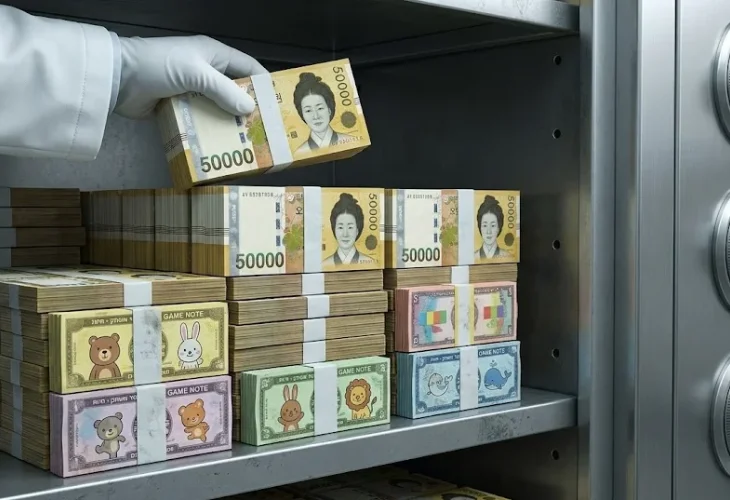
A bizarre case in the South Korean city of Gyeongju has captured widespread attention after a trusted bank manager allegedly stole more than 70 million won (about $45,000) from a bank vault using an unusually simple scheme.
According to local reports, the branch manager of the major credit bank Saemaul took advantage of the complete trust placed in him by replacing real cash with bills from a children's play-money set he had ordered online.
The manager was the only employee responsible for entering the vault each day to deposit the branch's cash intake. While alone inside the secure room, investigators say he removed real banknotes and replaced them with toy bills.
Local media described the method as so simple that it left many people in South Korea stunned.
What made the case even more surprising was that the fake bills were not realistic. Instead of portraits of historical figures, they featured colorful illustrations of bears and ducks, raising questions about how the fraud went unnoticed for so long.
According to reports, the branch was relatively small and employed only a limited staff. Because the manager held a senior position and was widely trusted, no one regularly inspected the cash deposits or questioned the contents of the boxes he placed in the vault.
The scheme reportedly unraveled only after one employee became suspicious of the manager's unusual behavior and quietly alerted bank management.
An internal investigation quickly uncovered the fraud. When investigators opened the vault, they found stacks of children's play money mixed in with the cash.
"There were so many of those bills, we didn't know how many more we were going to find. We immediately understood what all of it meant," investigators reportedly said.
Photos of the toy banknotes quickly spread across social media, attracting millions of views and prompting amused reactions from users across the country.
According to reports, the bank chose to handle the matter internally to avoid significant reputational damage. The manager was dismissed, returned all of the missing money, and the bank considered the case resolved.
The unusual incident has since sparked a broader public debate in South Korea about oversight, internal controls, and accountability at smaller financial institutions.

