

Health and Nutrition
Cardiologists Reveal 5 Everyday Foods They Say Could Harm Your Heart
Two leading physicians explain why bread, white rice, seed oils, and other common foods may increase the risk of heart disease — and what they recommend instead
- Meirav Benin
- | Updated
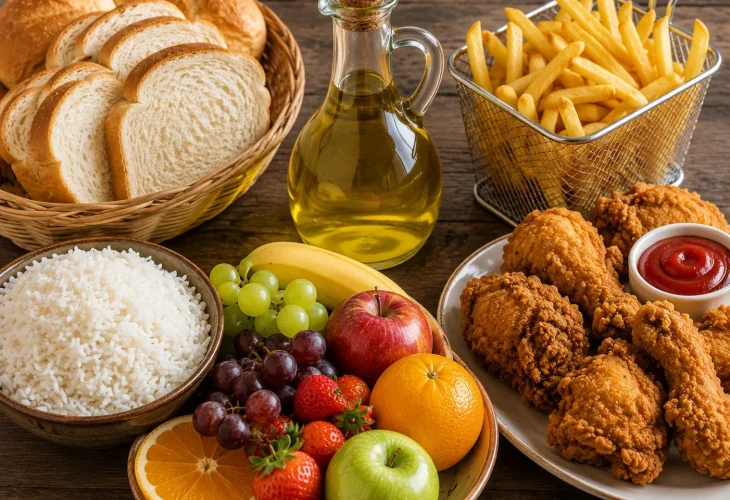
An interview with Dr. Pradip Jamnadas, a senior clinical cardiologist, on the popular podcast The Diary of a CEO went viral within hours of its release. Dr. Jamnadas identified five everyday foods that are widely regarded as healthy but which, in his view, may contribute to heart disease.
Joining him in many of these concerns was Dr. Eric Westman, director of the Internal Medicine Clinic at Duke University, who also shared his perspective on what he believes are some of the biggest dietary threats to modern health.
1. Bread
The first food on Dr. Jamnadas' list is bread.
He stresses that "not all bread is bad," but argues that "most bread is," because refined carbohydrates are rapidly converted into sugar by the body. According to him, the metabolic impact of a slice of white bread is comparable to "eating 10 teaspoons of sugar."
2. White Rice
Dr. Jamnadas says many people would be surprised by the amount of arsenic present in modern rice. He describes arsenic as "a powerful toxin and a heavy metal that can slowly kill."
To reduce arsenic exposure, he recommends soaking rice overnight, cooking it in a large amount of water, and then cooling it in the refrigerator. This process increases the formation of resistant starch, which may help lower the food's effect on blood sugar.
Dr. Westman agrees with these recommendations but goes a step further, advising people with diabetes or those trying to lose weight to simply avoid white rice altogether.
3. Modern Fruit
Dr. Jamnadas argues that many commercially grown fruits have been selectively bred to be much sweeter than they once were and therefore contain unusually high amounts of fructose.
"I'm not a big fan of fruit," he says.
He warns that excessive fructose intake can contribute to fatty liver disease, which is associated with an increased risk of type 2 diabetes and cardiovascular disease.
4. Industrial Seed Oils
The doctors also caution against industrial seed oils, including canola, corn, soybean, and sunflower oils.
Instead, they recommend cooking with extra virgin olive oil, butter, or coconut oil.
Dr. Jamnadas tells his patients quite bluntly to "throw out the bottles of vegetable oil from your house."
5. Charred and Deep-Fried Foods
The fifth concern is food that has been heavily charred or fried at extremely high temperatures.
According to Dr. Jamnadas, these cooking methods produce harmful compounds known as advanced glycation end products (AGEs), which may accelerate the hardening of the arteries.
"The human body," he explains, "was never designed to combine sugar, protein, and fat at such high temperatures."
An Often Overlooked Risk: Oral Health
Beyond diet, Dr. Jamnadas highlights what he believes is another important contributor to heart disease: poor oral hygiene.
He points to research showing a strong association between unhealthy oral bacteria, poor dental hygiene, calcification of the aortic valve, and cardiovascular disease.
"There is compelling evidence," he says, "that poor dental hygiene and harmful bacteria in the mouth are directly linked to aortic valve calcification and heart disease."
A Note on the Evidence
While some of the doctors' recommendations are supported by scientific studies, several of their claims — particularly those regarding fruit, seed oils, and direct comparisons between white bread and sugar, remain subjects of ongoing scientific debate. Nutritional advice should always be tailored to an individual's health conditions, dietary needs, and guidance from a qualified healthcare professional.

