

Wonders of Creation
New Study Reveals How the Brain Helps the Heart Heal After a Heart Attack
Researchers uncover a remarkable communication network linking the heart, brain, and bone marrow that could reshape the future of cardiovascular medicine
- Yosef Yaavetz
- | Updated
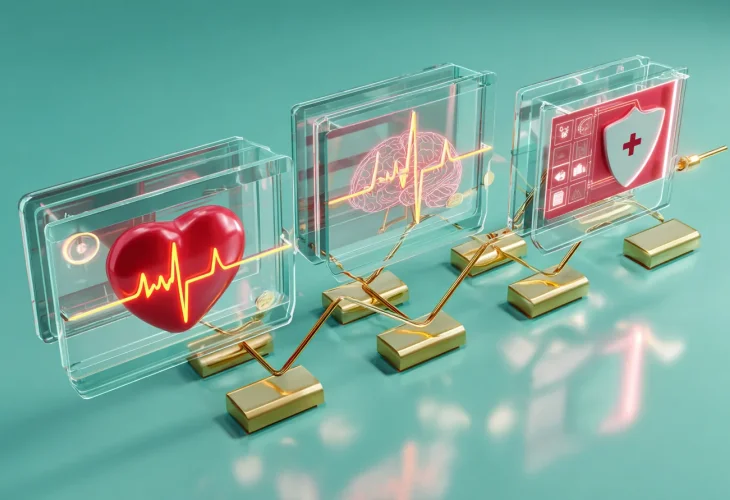
For decades, heart attacks were viewed primarily as a localized event: a blocked artery deprives part of the heart muscle of oxygen, heart cells begin to die, and the heart struggles to keep pumping. But a new study published in Cell paints a far more complex picture. During a heart attack, the heart is not fighting alone. It sends a distress signal to the brain, which in turn activates a neural-immune pathway reaching all the way to the bone marrow, influencing how many immune cells are sent back to help repair the damaged heart.
When the distress signal reaches the brain, it effectively becomes the body's command center. It receives the message from the injured heart, interprets it as an emergency, and activates the sympathetic nervous system to mobilize immune cells from the bone marrow.
Researchers describe this as a three-way communication loop involving the heart, brain, and bone marrow. Each plays a vital role, and even small errors in the intensity of the response may determine whether the heart recovers successfully or suffers long-term damage.
How the Emergency Signal Begins
The process starts the moment the heart muscle becomes deprived of oxygen, a condition known as ischemia. Specialized sensory nerve fibers within the heart detect this lack of oxygen and transmit an urgent signal to a region of the brain called the paraventricular nucleus (PVN), one of the body's key centers for regulating stress responses, survival mechanisms, and hormonal balance.
Within the PVN, researchers identified a specialized group of neurons that produce corticotropin-releasing hormone (CRH), a hormone involved in activating the body's stress response.
Following a heart attack, these neurons become highly active, triggering the body's emergency alarm system.
The Bone Marrow Responds
Once activated, the brain signals the bone marrow to produce monocytes, a type of white blood cell that travels to injured tissue, removes dead cells, and helps initiate the healing process.
The damaged heart urgently needs these immune cells because blocked blood flow leaves behind dead tissue, cellular debris, and inflammation that must be cleared before repair can begin.
However, the response must be precisely balanced.
Too many immune cells can worsen inflammation, weaken heart function, and increase the risk of further damage. Too few leave the injured tissue inadequately repaired.
The bone marrow must therefore "calculate" the appropriate response and release exactly the number of immune cells required.
Scientists Learn to Activate the Healing Pathway
After mapping this remarkable communication system, researchers began exploring ways to control it.
One promising technique is optogenetics, an advanced technology that uses light to stimulate specific nerve cells. By activating the exact neurons involved in this heart-brain-bone marrow pathway, scientists may eventually be able to trigger the body's own healing response — even when the natural signaling process is insufficient.
Rather than introducing artificial treatments, this approach seeks to enhance the body's built-in repair mechanisms, potentially improving recovery after a heart attack.
A New Understanding of Stress
The findings may also help explain why chronic stress can have such profound physical consequences.
Many people notice that during periods of intense emotional stress they begin to feel physically unwell. According to the researchers, this may occur because the body's emergency response system cannot distinguish between physical danger and psychological stress.
Financial worries, emotional trauma, or chronic anxiety may activate the same stress pathways designed for life-threatening emergencies. The brain sounds the alarm, and the bone marrow responds by releasing immune cells or triggering inflammatory reactions that the body does not actually need.
Over time, these unnecessary immune responses may contribute to inflammation and increase the risk of disease, which helps explain why chronic stress is associated with poorer cardiovascular health.
A New Era of Medicine
Researchers believe these discoveries could reshape supportive treatment for heart disease by focusing not only on the heart itself but also on the PVN, the brain region now recognized as a critical coordinator of the body's emergency response.
More broadly, the study reflects a growing shift in modern medicine. Rather than viewing organs as isolated systems, scientists increasingly recognize the importance of communication networks such as the brain-gut axis, the brain-immune axis, the stress-inflammation axis, and now the newly described heart-brain-bone marrow axis involved in heart attack recovery.
Together, these discoveries suggest that the human body functions as an integrated system, with organs constantly communicating to maintain health and respond to injury. Understanding these interconnected pathways may open the door to more effective treatments for heart disease and many other conditions in the future.

