

Former Qatari Emir Hamad bin Khalifa Al Thani Dies at 74
Former Qatari emir Hamad bin Khalifa Al Thani has died at 74. The death of the ruler, who led Qatar for 18 years, marks the end of one of the most consequential eras in the Gulf state’s history.
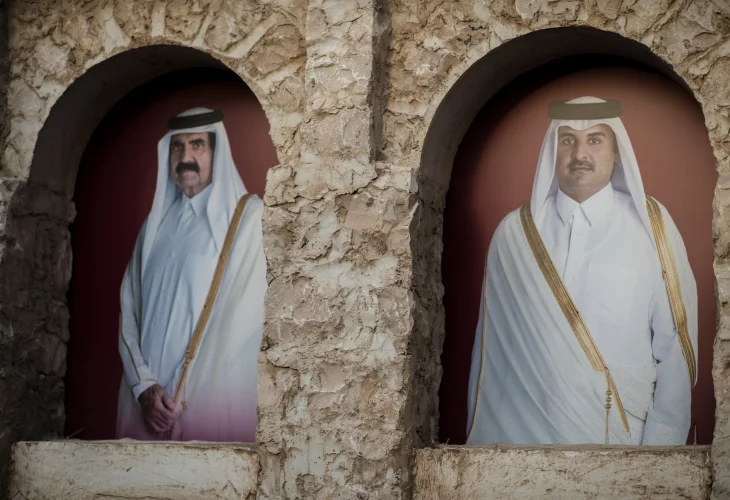 Hamad bin Khalifa and Tamim bin Hamad (Credit: shutterstock)
Qatar's former emir, Sheikh Hamad bin Khalifa Al Thani, has died at the age of 74. An official announcement was released Sunday in Doha without specifying the cause of death. Hamad bin Khalifa was the father of the reigning emir, Tamim bin Hamad Al Thani, and one of the most consequential figures in the modern history of Qatar and the broader region.
Hamad bin Khalifa was born on January 1, 1952. He completed his education at the British Royal Military Academy Sandhurst before being commissioned as an officer in the Qatari armed forces. He rose rapidly through the ranks, eventually assuming command of the emirate's military, and was appointed Minister of Defense in 1977 — a post he held until 1995.
In June 1995, Hamad seized power in a bloodless palace coup against his father, Khalifa bin Hamad Al Thani, while the elder ruler was vacationing in Switzerland. He governed Qatar for eighteen years, until June 2013, when he delivered a brief televised address announcing the transfer of power to his fourth son, Tamim bin Hamad Al Thani — born of his second wife, Sheikha Moza bint Nasser.
Under Hamad's rule, Qatar was transformed from a peripheral Gulf state with a population of roughly 300,000 citizens into a formidable international actor wielding substantial economic and diplomatic influence. He leveraged the emirate's vast natural gas reserves to build a global asset portfolio — most notably acquiring the iconic London luxury department store Harrods. His most far-reaching initiative, however, was the founding of the Al Jazeera news network, which went on to become the most influential media outlet in the Arab world. The network's enthusiastic coverage of the Arab Spring uprisings generated bitter and lasting disputes between Qatar and several neighboring Arab states.
Hamad's foreign policy frequently drew deep frustration from regional neighbors and Western allies alike. He cultivated close ties with Iran, provided a platform and sanctuary to Yusuf al-Qaradawi — the Muslim Brotherhood's spiritual leader, who issued religious rulings permitting suicide bombings — and granted refuge to the Hamas leadership following its departure from Syria amid that country's civil war. Hamad also personally oversaw the transfer of hundreds of millions of dollars to Hamas in the Gaza Strip.

