

Health and Nutrition
One in Five Americans Make Health Decisions Based on Social Media
Researchers warn that social media and AI are influencing medical decisions, raising concerns about misinformation and patient safety.
- Yitzchak Eitan
- | Updated
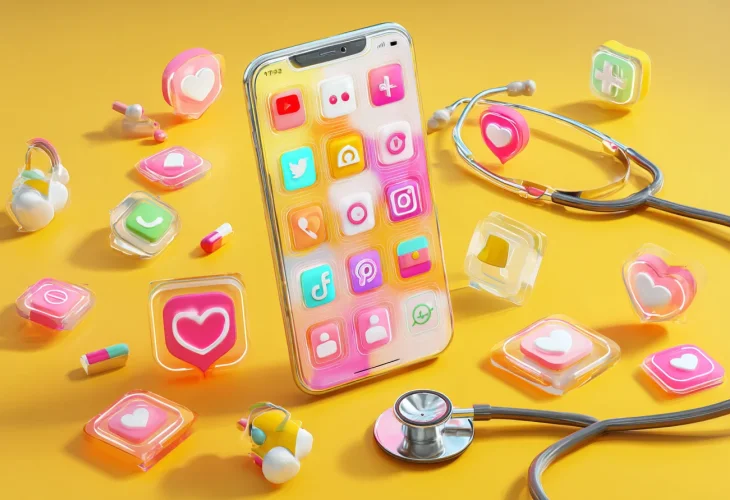
More than one in five American adults who use social media say they have made important health decisions based on information they found online. That's according to a new study published in the medical journal JAMA, which analyzed data from a nationwide survey conducted by the American Cancer Institute.
The researchers estimate that about 47 million Americans now rely on the internet as a major source of health information, including people living with chronic conditions such as heart disease, cancer, and mental health disorders. At the same time, the study highlights a troubling contradiction: nearly 78% of respondents believe that much of the medical information shared online is false or misleading.
The Benefits and the Risks
Easy access and around-the-clock availability have made social media and online platforms a popular source of health information, especially as long waits for medical appointments become increasingly common.
However, health experts warn that these platforms also present significant risks. On social media, there is often no clear distinction between advice from a qualified physician and content created by influencers promoting products for financial gain. In addition, platform algorithms tend to amplify emotional, sensational, and controversial content, which can give misleading information greater visibility and cause people to question evidence-based medical advice.
Can AI Replace a Doctor?
Artificial intelligence chatbots have also become a popular tool for people trying to understand their symptoms or medical conditions.
Experts say these tools can be valuable for learning about medical topics or helping patients prepare questions before a doctor's appointment. However, they emphasize that today's AI models are not reliable enough to diagnose medical conditions or guide treatment decisions on their own.
Although AI can produce responses that sound confident and convincing, it can also generate inaccurate or misleading information. Most importantly, it cannot replace the clinical judgment of a physician who understands a patient's medical history, symptoms, and individual circumstances.
How to Find Reliable Health Information
Despite the risks, the internet remains a valuable resource. It gives patients access to support groups, educational materials, and the latest research from reputable medical organizations.
To avoid misinformation, experts recommend checking who authored the information, being cautious of promises of quick or "miracle" cures, and verifying medical claims through trusted healthcare organizations or qualified medical professionals before making important health decisions.

