

Health and Nutrition
Should You Avoid Eating Fruit at Night? What Nutrition Experts Want You to Know
Discover what nutrition experts say about the best time to eat fruit and healthier late-night snack alternatives.
- Yitzchak Eitan
- | Updated
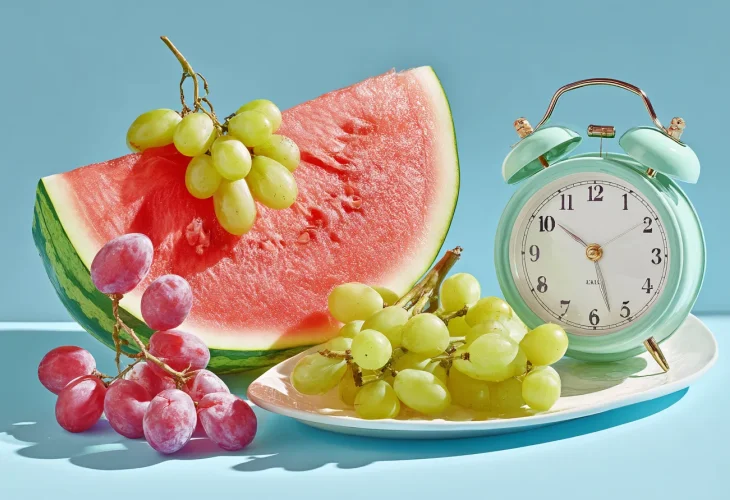
Summer has arrived, bringing with it an abundance of delicious seasonal fruits. But is there really a "wrong" time to eat them?
Fruit contains fructose, its naturally occurring sugar. During the day, your body uses this energy to fuel both physical and mental activity. For this reason, some nutrition experts recommend eating most of your fruit earlier in the day.
As the evening progresses, metabolism naturally slows and the body begins preparing for rest. Eating large amounts of fruit shortly before bedtime may increase blood sugar levels and require your digestive system to remain more active when it should be winding down.
How Late-Night Fruit May Affect You
One potential concern is sleep quality. Some experts suggest that significant rises in blood sugar before bed may contribute to disrupted sleep or leave you feeling less refreshed the next morning.
Another issue is digestion. During the summer, the body already expends energy regulating its temperature. Although fruit is generally easy to digest, consuming it late at night may contribute to bloating or digestive discomfort in some people.
Late-night fruit may also trigger what some nutritionists describe as "false hunger." The natural sugars can cause insulin levels to rise, which may leave you feeling unusually hungry the following morning — even if your body doesn't actually need more food.
A Better Time to Enjoy Fruit
The good news is that you don't need to avoid fruit. Instead, consider making it your go-to afternoon snack, somewhere between lunch and dinner.
If you feel hungry before bedtime, you may be better off choosing a lighter snack that has less impact on blood sugar, such as a small handful of raw almonds or half a cup of plain yogurt.
For most healthy people, fruit remains an excellent source of vitamins, minerals, fiber, and antioxidants. The key is not to avoid it, but to enjoy it as part of a balanced diet and to pay attention to how your own body responds.

