

Health and Nutrition
The Two Essential Minerals You May Be Missing
These two overlooked trace minerals support everything from bone strength to detoxification. Learn where to find them and why your body needs them.
- Zohara Sharvit
- | Updated
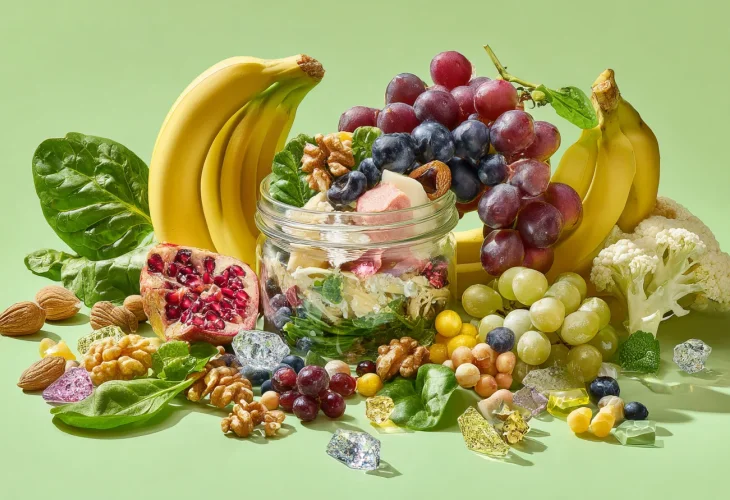
When people think about minerals that are essential for good health, calcium, iron, and magnesium usually come to mind first. But the body also depends on trace minerals—nutrients that are needed only in tiny amounts, yet play vital roles in many important processes.
Two often overlooked trace minerals are boron and molybdenum.
Boron: A Small Mineral With a Big Role
Boron plays an important role in bone health by working together with calcium and magnesium to help maintain strong bones. Without adequate boron, the body cannot use calcium as efficiently.
Boron also supports healthy thyroid function and helps convert vitamin D into its active form, allowing the body to make better use of this essential vitamin.
In addition, boron has been linked to several other important functions, including supporting coordination, concentration, and memory. Some research also suggests it may play a role in regulating platelet activity and healthy blood clotting.
As we age, our ability to absorb boron from food naturally declines. Certain medications, including diuretics and steroids, may also increase the amount of boron the body loses. Frequent bowel movements and excessive sweating can further reduce boron levels.
Good dietary sources of boron include:
- Bananas
- Nuts
- Berries
- Raisins
- Grapes
- Leafy green vegetables
- Carrots
- Sweet potatoes
Molybdenum: Essential for Enzymes and Detoxification
Another important trace mineral is molybdenum.
Although the body requires only very small amounts, molybdenum is essential for the activity of several enzymes that carry out key chemical reactions.
It helps break down sulfur containing compounds found in food, allowing the body to process them properly. It also supports protein metabolism by helping convert proteins into amino acids and plays a role in the body's natural detoxification processes.
Molybdenum also contributes to oral health by helping reduce plaque buildup and supporting healthy teeth.
Foods that naturally contain molybdenum include:
- Lentils
- Beans
- Chickpeas
- Peas
- Leafy green vegetables
- Cauliflower
- Onions
- Cucumbers
Why Trace Minerals Matter
A diet high in processed and highly refined foods may not provide adequate amounts of these important trace minerals.
Choosing a varied diet rich in whole, plant based foods helps ensure the body receives the nutrients it needs over time. Although trace minerals are required only in very small quantities, they are essential for maintaining the body's delicate balance and supporting the healthy function of many different systems.
Getting the Most From Your Minerals
Minerals are generally absorbed more efficiently in an acidic environment. For this reason, mineral supplements are often best taken on an empty stomach unless otherwise directed by a healthcare provider or the product instructions.
This differs from certain vitamins, such as the fat soluble vitamins, which are better absorbed when taken with a meal that contains healthy fats.

