

Hot on the Web
The Viral Sea Salt Sleep Trend: Does It Actually Work?
Can standing barefoot on sea salt before bed really improve your sleep? Here's what experts say about the viral nighttime ritual and the science behind it.
- Yitzchak Eitan
- | Updated
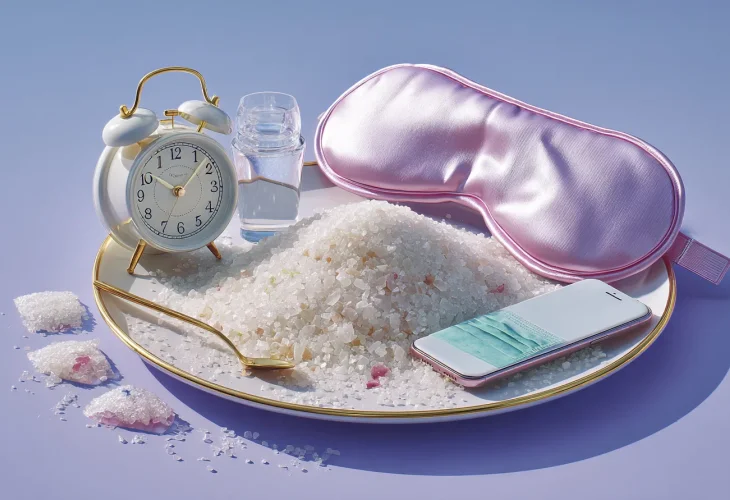
Old-fashioned home remedies and unusual wellness trends have always found an audience on social media. But one of the latest viral sleep hacks has caught the attention of both curious users and medical experts.
Across platforms like TikTok and Instagram, people are sharing videos of themselves standing barefoot on a layer of coarse sea salt for about 10 minutes before bed. Many claim the nightly ritual helps them fall asleep faster, improves the quality of their sleep, increases deep sleep, and even reduces inflammation.
But is there any science behind these claims?
What the Experts Say
Doctors and sleep specialists who have looked into the trend say the evidence tells a different story.
Dr. Doreen Serfaty, chief psychiatrist at Fountain Health New York, explains that while certain salts, such as Celtic salt and Epsom salt, may have moisturizing properties or help ease sore muscles when used in baths, there is no scientific evidence that minerals like magnesium are absorbed through the soles of the feet or that they affect the nervous system, serotonin, or cortisol levels in this way.
In other words, the salt itself is unlikely to be producing the dramatic effects many people describe.
So Why Do People Feel Better?
Experts believe the benefits have less to do with the salt and more to do with the ritual itself.
Taking 10 uninterrupted minutes to stand quietly without a phone, television, or other distractions naturally creates an opportunity to slow down. This consistent bedtime routine may help signal to the brain that it is time to transition from activity to rest.
The rough texture of the salt beneath the feet may also encourage a sense of "grounding" by drawing attention to physical sensations in the present moment. Focusing on those sensations can shift the mind away from racing thoughts and daily worries that often make it harder to fall asleep.
Rather than changing the body's chemistry, the ritual may simply help activate the body's natural relaxation response, preparing the nervous system for sleep.
Science Backed Ways to Improve Sleep
For those looking to reduce stress and improve sleep quality, experts recommend focusing on methods supported by scientific evidence.
Maintaining a consistent sleep schedule, practicing deep breathing exercises, meditating, limiting screen time before bed, and spending time in nature have all been shown to support relaxation and promote healthier sleep.
While standing on sea salt before bed is unlikely to be a miracle cure, if the ritual helps someone unwind and become more mindful at the end of the day, that calming routine itself may be the real reason they're sleeping better.

