

Home Styling
Save Money the Torah Way: 10 Practical Habits That Benefit Your Wallet and the Planet
Discover how the Torah's mitzvah of Bal Tashchit can help you reduce waste, save money, protect the environment, and cultivate gratitude through 10 simple, practical habits for everyday life
- Shira Priant
- | Updated
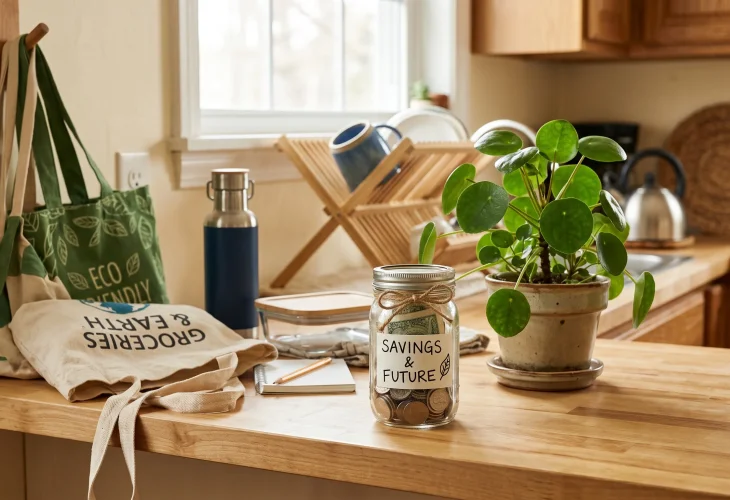
With the rising cost of living, many of us are looking for creative ways to stretch our budgets. But did you know that the Torah contains a mitzvah devoted to this very idea? The commandment of Bal Tashchit — "do not destroy or waste" teaches us to use the resources Hashem has entrusted to us wisely. More than a financial principle, it is a way of life rooted in responsibility, gratitude, and respect for creation.
The source of this mitzvah appears in Deuteronomy 20, where the Torah forbids cutting down fruit trees even during wartime: "When you besiege a city for many days... you shall not destroy its trees by wielding an axe against them, for you may eat from them, but you shall not cut them down... Only trees that you know are not fruit trees may you destroy and cut down..." (Deuteronomy 20:19–20)
The Sages expanded this principle far beyond trees. They taught that it applies to any needless destruction or waste, including food, water, clothing, money, energy, and any other resource that can benefit people.
Rabbi Samson Raphael Hirsch explains that the Torah is not merely concerned with trees. Rather, it educates us to use the world thoughtfully, not out of anger, impulse, or carelessness. Hashem entrusted His world to us so that we would protect it and use it responsibly — not deplete its resources unnecessarily.
Saving Money Creates a Better World
Modern life highlights just how relevant this message is. Every year, enormous quantities of perfectly edible food are discarded, alongside vast amounts of wasted water, electricity, fuel, and raw materials. Beyond the financial cost, this waste damages the environment, increases pollution, and depletes precious natural resources.
The mitzvah of Bal Tashchit is ultimately a lesson in character development. It invites us to pause before throwing something away, making a purchase, or wasting a resource, and ask: Is this really necessary?
When we adopt mindful consumption, we cultivate gratitude, humility, and responsibility, which are qualities that enrich our lives far more than the balance in our bank account.
Following are ten simple ways to make Bal Tashchit part of your daily life while protecting both the environment and your wallet.
1. Buy Only What You Truly Need
One of the easiest ways to reduce waste is to pause before every purchase and ask yourself: Do I really need this, or am I simply tempted to buy it?
We are constantly surrounded by advertisements, sales, and irresistible promotions. It's easy to buy another shirt, another kitchen gadget, or another household item simply because it's on sale or seems useful. How many times have you purchased something only to regret it as soon as you got home?
Bal Tashchit teaches us to appreciate what we already own rather than consume thoughtlessly. This doesn't mean avoiding purchases altogether or living with extreme frugality. Instead, it encourages mindful consumption: choosing quality over quantity, buying products that will last, and thinking carefully before spending.
Besides helping the environment, this approach also saves money. Fewer unnecessary purchases mean fewer expenses, less clutter at home, and greater control over the family budget.
Tip: Pirkei Avot (4:1) teaches, "Who is rich? One who is happy with what he has." Before making a non-essential purchase, wait 24 hours. Often, once the initial excitement fades, you'll realize you didn't really need it after all.
2. Reduce Food Waste
One of the clearest expressions of Bal Tashchit is the way we deal with food.
Behind every item we buy at the grocery store lies a tremendous investment of land, water, energy, labor, and time. When we throw away perfectly edible food, we waste not only the food itself, but all the resources that brought it to our table.
Our Sages taught us to treat food with respect. The Talmud (Berachot) states that bread should not be thrown away. More broadly, they emphasized that food should never be treated carelessly or damaged without reason.
Reducing food waste is also a simple way to cut household expenses.
Practical ideas include:
Plan meals and shop with a list.
Check what you already have before buying more.
Prepare appropriate portion sizes.
Store leftovers properly and reuse them.
Freeze food you won't eat soon.
Learn the difference between "best before" and food that has actually spoiled.
Tip: Before throwing away leftovers, ask yourself whether they can become another meal. Vegetables can become soup, stale bread can become croutons, and ripe fruit can become smoothies or cakes.
3. Repair Before Replacing
Modern culture encourages us to replace everything immediately rather than asking whether it can be repaired.
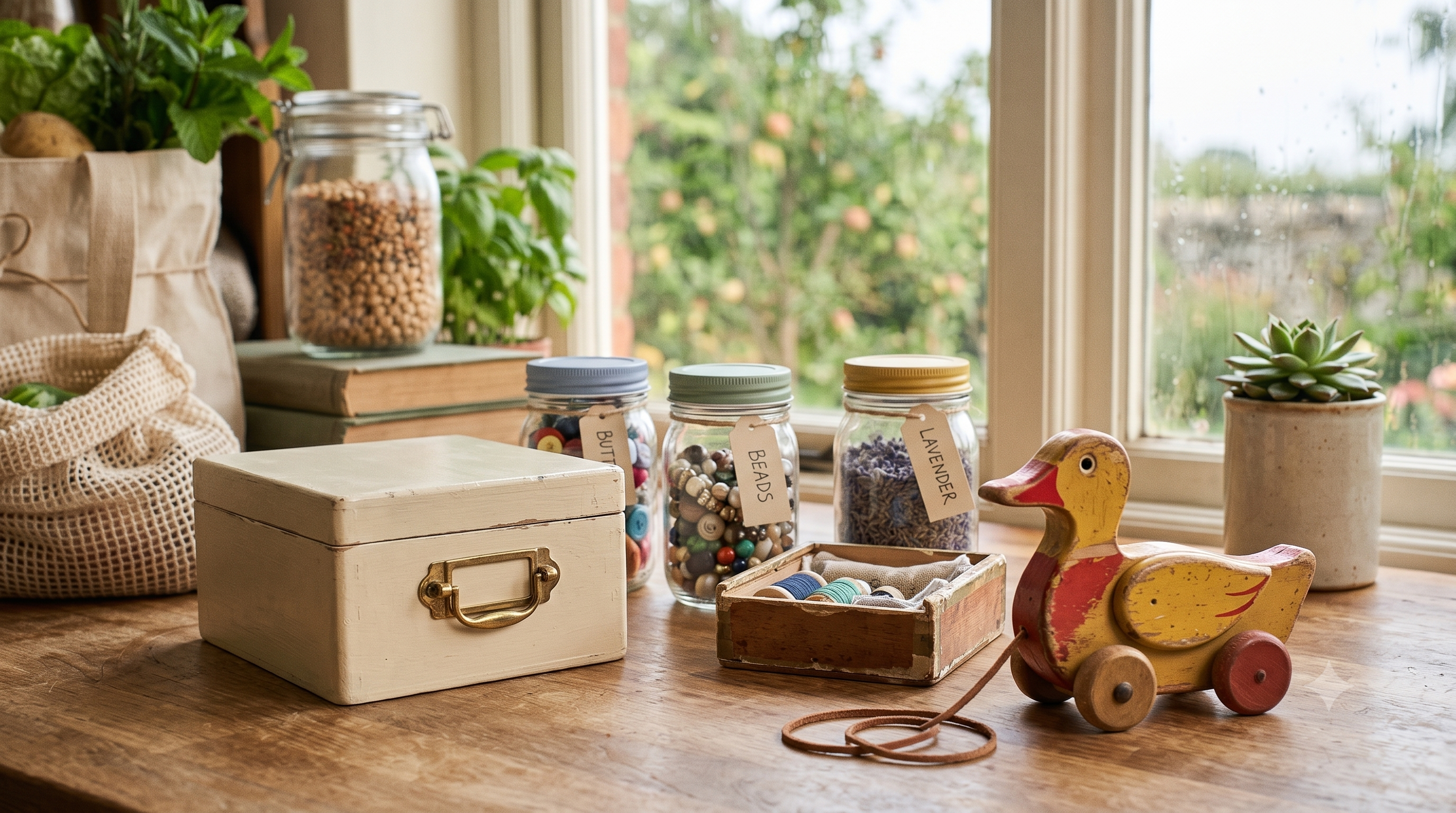
A piece of clothing that can be mended, furniture that can be refinished, an appliance that can be fixed, or an item that is no longer useful to us but could serve someone else. These are opportunities to reduce waste and extend the life of products already created.
Repairing also saves money. Instead of repeatedly buying new items, a little creativity or a simple repair can often add years to a product's life.
Tip: Before throwing away something that's broken, find out whether it can be repaired. Sometimes a simple home repair, or a quick visit to a professional, can save both money and unnecessary waste.
4. Save Water
Water is one of our most precious resources.
Although turning on the tap feels effortless, every drop requires pumping, purification, and transportation. Wasting water increases both your water bill and the unnecessary consumption of a vital resource.
Simple habits can make a significant difference:
Turn off the tap while brushing your teeth.
Take shorter showers.
Run the washing machine only when it's full.
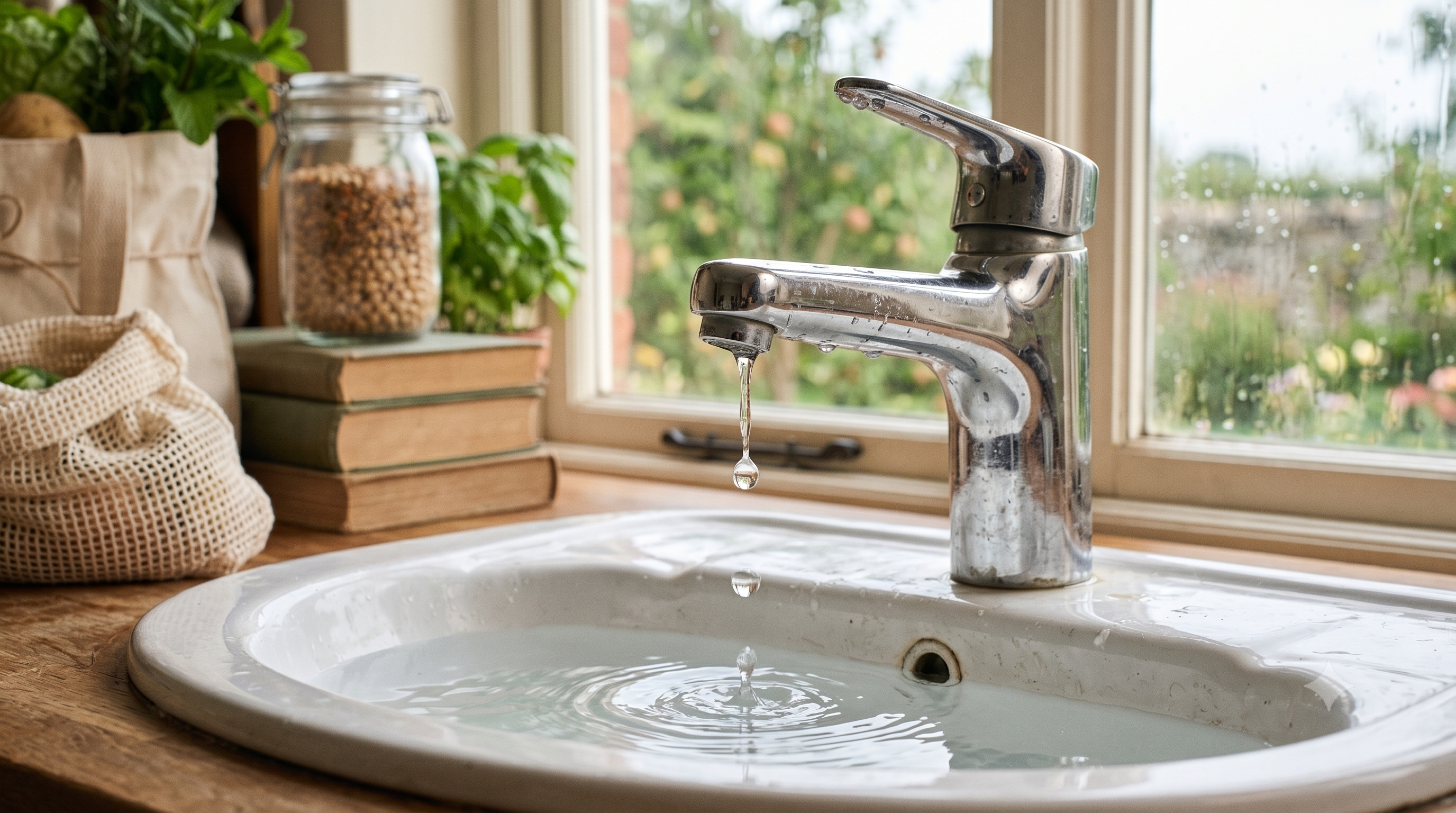
Repair leaking faucets and pipes promptly.
The Sages compare Torah to water because, just as water sustains physical life, Torah nourishes the soul. Recognizing water as a gift helps us treat it with greater appreciation.
Tip: Look around your home for unnecessary water waste. Small leaks and simple habit changes can save substantial amounts of money over the course of a year.
5. Use Electricity Wisely
Electricity is indispensable in modern life, but it is also a resource that deserves thoughtful use.
Beyond lowering your utility bill, reducing unnecessary energy consumption helps conserve natural resources and lessens environmental impact.
Simple habits include:
Turn off lights when leaving a room.
Unplug chargers and unused devices.
Use air conditioning efficiently.
Choose energy-efficient appliances whenever possible.
Tip: Before leaving a room or going to bed, make a habit of checking whether lights and unnecessary appliances have been turned off.
6. Cut Back on Disposable Products
Disposable products are undeniably convenient, but convenience comes at a cost.
Single-use cups, plates, bags, and packaging may be used for only minutes, yet remain in landfills for years. They also represent an ongoing expense, especially with today's prices.
Whenever possible, switch to reusable alternatives:
Carry a reusable water bottle.
Bring reusable shopping bags.
Use durable glass food containers.
Choose reusable dishes for family gatherings whenever practical.
Tip: Pick one disposable item you regularly use and replace it with a reusable version. One small change can become a lasting habit that saves money over time.

7. Give It Away Instead of Throwing It Away
Something you no longer need may still be valuable to someone else.
Rather than discarding clothes, books, toys, furniture, or household items in good condition, consider donating them or passing them on.
Besides reducing waste, this creates opportunities for kindness. As King David writes in Psalms (89:3), "The world is built on kindness."
A child who has outgrown clothing can help another child. A book you've finished reading can enrich someone else's life.
Tip: Before throwing away an item in good condition, ask yourself whether someone else could use it. Set aside a donation area in your home and periodically give those items to family, friends, or charitable organizations.
8. Plan Your Trips and Save Fuel
Even our daily travel offers opportunities to reduce waste.
Driving involves fuel, maintenance, wear and tear, and environmental impact. Careful planning can significantly reduce both expenses and pollution.
Try to:
Combine several errands into one trip.
Plan your route efficiently.
Use public transportation when practical.
Carpool whenever possible.
Drive smoothly and maintain proper tire pressure.
Tip: Before leaving home, see whether you can combine multiple errands into a single outing. A few minutes of planning can save time, fuel, and money.
9. Buy Second-Hand or Borrow Instead
Not everything needs to be purchased brand new.
Many second-hand items are in excellent condition and cost a fraction of the original price. Buying used saves money, reduces unnecessary manufacturing, and extends the life of existing products.
Borrowing is another excellent option. Tools, books, games, or event equipment that are only used occasionally can often be shared among neighbors or friends.
Tip: Before buying something new, ask whether you could borrow it, purchase it second-hand, or find it through a local giveaway group.
10. Teach Your Family to Consume Wisely
Real change begins at home.
When children learn to value food, water, money, and possessions, they understand that abundance is not something to take for granted. They learn that they have a responsibility to use the blessings Hashem gives them wisely.
Simple lessons include:
Take only as much food as you intend to eat.
Turn off lights when leaving a room.
Care for belongings.
Think before throwing something away.
These habits teach gratitude, responsibility, and consideration for others, which are values that shape children for life.
Tip: Choose one environmental habit for the entire family to practice together, such as a week without food waste, always turning off lights when leaving a room, or setting aside one day each month to gather items for donation.
The mitzvah of Bal Tashchit reminds us that every resource is a gift from Hashem. By using those gifts wisely, we not only save money, but we cultivate gratitude, strengthen our character, and become faithful stewards of the world He has entrusted to our care.

