

World News
Scientists Create Unlimited Supply of Cancer-Fighting Immune Cells in Major Breakthrough
Researchers have developed a method to produce an unlimited supply of engineered immune cells that completely halted cancer progression in animal studies, raising hopes for more effective treatments against solid tumors, blood cancers, and other serious diseases
- Shlomi Diaz
- | Updated
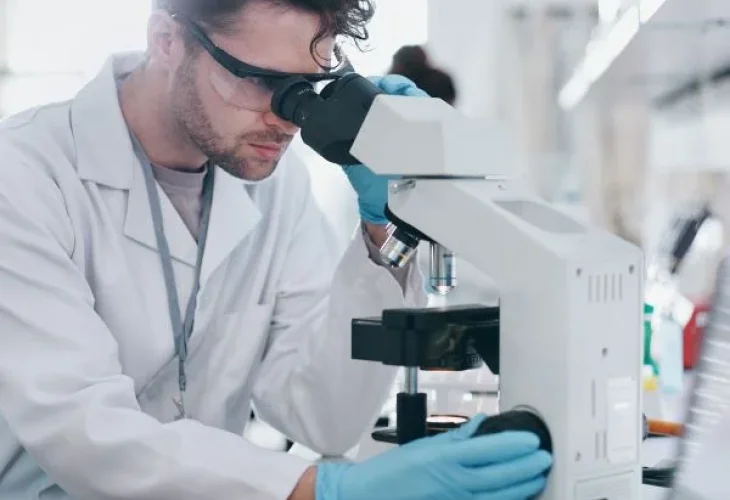
Scientists at the University of Southern California and Stanford University have genetically engineered and grown an unlimited supply of one of the immune system's most powerful cancer-fighting cells in the laboratory, marking a major breakthrough in cancer immunotherapy. The findings were reported by Israel's Channel 14 News.
According to the report, the researchers developed a method to mass-produce precursor cells that mature into macrophages — the immune system's "professional eaters," responsible for engulfing and destroying harmful cells. The study, published in the journal Cell, describes the precise chemical formula that enables these precursor cells to repeatedly self-renew outside the body without losing their identity, overcoming one of the biggest obstacles in modern cancer medicine: the inability to grow sufficient numbers of these cells in the laboratory.
A Potential Breakthrough for Solid Tumors
In animal studies, injections of the engineered cells enabled them to spread throughout the body on their own, creating a continuous, self-renewing supply of aggressive immune cells. The treatment completely halted disease progression in both blood cancers and stubborn solid tumors.
The researchers noted that today's best-known immunotherapy is CAR-T therapy, in which a patient's T cells are removed, genetically engineered to better recognize and attack cancer, and then infused back into the bloodstream. While CAR-T therapy has significantly improved outcomes for many patients with blood cancers, it has shown limited success against solid tumors.
Why Macrophages Could Be the Missing Piece
The newly engineered cells are designed to become macrophages, which are the most abundant immune cells found within solid tumors. This makes them ideal candidates for a parallel therapy known as CAR-M.
Until now, however, macrophages have proven extremely difficult to engineer. They are notoriously hard to grow and expand outside the human body in clinically useful quantities, and they have also been difficult to freeze and store for long-term use.
Engineering the Cells at an Earlier Stage
Rather than attempting to genetically modify mature macrophages, biologist Qi-Long Ying and his colleagues took a different approach. They focused on the cells' earlier developmental stage — the precursor cells that eventually become macrophages.
The researchers identified the exact chemical environment these precursor cells require to grow and supplied them with a carefully designed mixture of compounds at specific stages of development. Using this method, they successfully generated highly potent CAR-M cells in the laboratory.
When the engineered precursor cells, known as GMP cells, were injected into mice with blood cancers and solid tumors, the results were striking.
Unlike conventional macrophages, which failed to multiply inside the body and showed little therapeutic benefit, the engineered precursor cells spread throughout the animals, continuously generated fresh macrophages and other immune cells, and completely stopped cancer progression in both types of tumors.
A New Direction for Cancer Immunotherapy
The researchers conclude that this breakthrough suggests the future of cancer immunotherapy depends not only on designing better engineered receptors, but also on selecting the optimal developmental stage of the immune cell being modified.
They believe this strategy could pave the way for large-scale cell therapies not only for cancer, but also for infectious diseases and a wide range of other complex medical conditions.

