

Interesting
New Study Suggests Your Brain Makes Decisions Before You Know It
A new study from the University of Illinois suggests your brain may begin making decisions before you're consciously aware of them, reshaping our understanding of human thought.
- Yitzchak Eitan
- | Updated
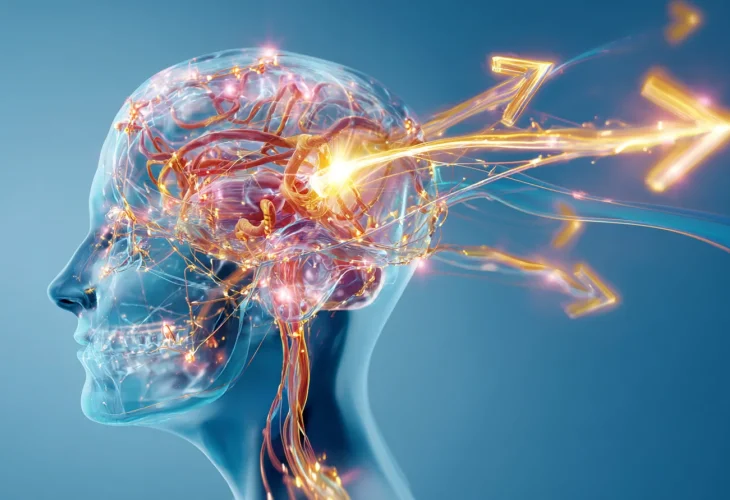
A new study from the University of Illinois is challenging long-held ideas about how the brain makes decisions. Published in the journal Proceedings of the National Academy of Sciences, the research suggests that the brain may begin determining the outcome of a decision before we are consciously aware that we've made one.
Led by Prof. Yuri Vlasov and researcher Alex Armstrong, the study offers fresh insight into the remarkable way the brain processes information and prepares us to act.
The Brain Doesn't Work in a Straight Line
For many years, scientists believed the brain processed information in a simple sequence: the senses gather information, higher brain regions analyze it, and only then is a decision made.
The new findings paint a much more dynamic picture.
Instead of information moving in one direction, researchers found that signals travel rapidly back and forth between different regions of the brain. This means that sensory areas do far more than simply relay information—they actively contribute to the decision-making process itself.
Preparing for Action Before It Happens
During the study, researchers monitored electrical activity in participants' brains while they completed navigation tasks.
The results revealed that neurons in sensory regions were already indicating the direction participants were about to move before any physical action had taken place.
According to the researchers, this suggests the brain is constantly predicting what is about to happen rather than simply reacting to events after they occur.
Instead of passively processing the world around us, the brain appears to prepare for future actions in advance.
What This Could Mean for Artificial Intelligence
Beyond improving our understanding of the human brain, the researchers believe the findings could have important technological applications.
They suggest that studying the brain's highly interconnected method of processing information may inspire the next generation of artificial intelligence systems.
By mimicking the brain's ability to continuously exchange information across multiple regions while anticipating future events, AI could become more efficient, adaptable, and capable of making faster, more sophisticated decisions.
The study highlights just how much there is still to learn about the human brain—and how those discoveries may one day shape the technologies we use every day.

