

World News
“A National Security Risk”: U.S. Bans New Chinese Humanoid Robots
The U.S. government is escalating its technology battle with China: The Federal Communications Commission announced that Chinese-made humanoid and animal-like robots will not be allowed into the U.S. market, citing concerns over sensitive data collection, espionage and even remote takeovers.
- Shira Dabush
- | Updated
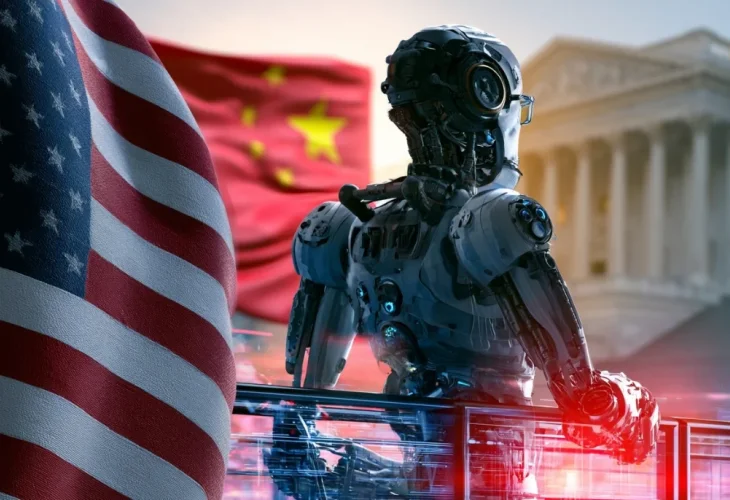
The conflict between the United States and China is no longer focused only on smartphones or computer chips. It is expanding to the next generation of robots—smart machines that could become an integral part of everyday life, while also raising complicated questions about privacy, data security and national security.
In recent years, the struggle between the United States and China has moved from trade into the world of advanced technology, and it has now reached smart robots—which could in the future become an integral part of all our daily lives. The U.S. Federal Communications Commission (FCC) announced that it is banning the entry of new models of advanced Chinese-made robots, arguing that they pose a real threat to U.S. national security.
The decision comes as part of a broader policy by President Donald Trump’s administration aimed at reducing dependence on Chinese technology and encouraging American manufacturing of strategic products.
Which Robots Are Banned?
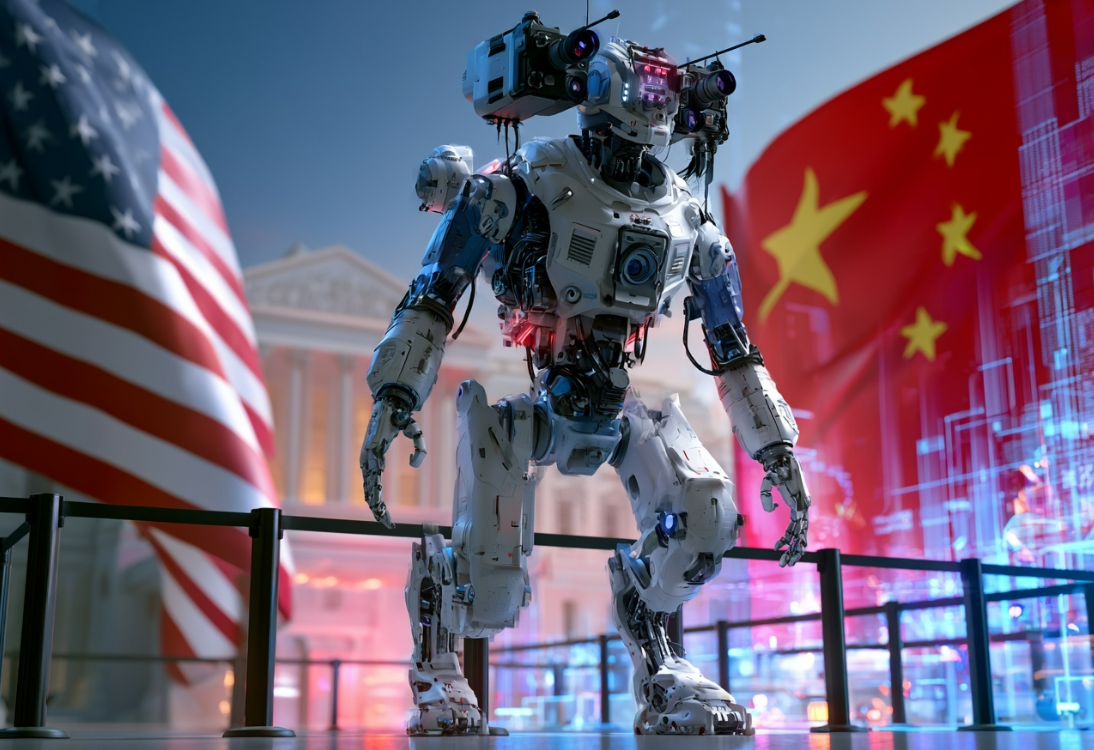
According to the FCC announcement, the restrictions apply to "advanced robotic devices"—robots equipped with advanced artificial intelligence, cameras, sensors, microphones and navigation systems, capable of operating independently and learning about their surroundings. These robots include:
- Humanoid robots (Humanoid Robots).
- Four-legged robots resembling animals, used for industrial, security and civilian tasks.
Why Is the United States Concerned?
The FCC explained that robots of this kind collect enormous amounts of information about the environments in which they operate, and according to the commission, such information could be used to monitor American citizens, gather intelligence for foreign intelligence agencies, remotely take control of robots in the event of a cyberattack, and damage sensitive infrastructure or strategic facilities.
In the United States, there are concerns that if such robots operate in private homes, factories, hospitals or research centers, they could become especially effective tools for espionage. But that is not all. As part of the same decision, the commission also banned new models of Chinese-made smart power converters (Power Inverters), over concerns that this equipment, too, could be used to collect information or disrupt critical infrastructure.
These components connect solar-energy systems, batteries and electricity-storage facilities to the power grid, and are also used in large data centers.
A U.S. administration official said the purpose of the decision is to ensure American independence in essential technologies and protect national security. According to the official, economic security is an inseparable part of national security, and the administration therefore continues to encourage domestic manufacturing and reduce dependence on foreign producers in sensitive fields.
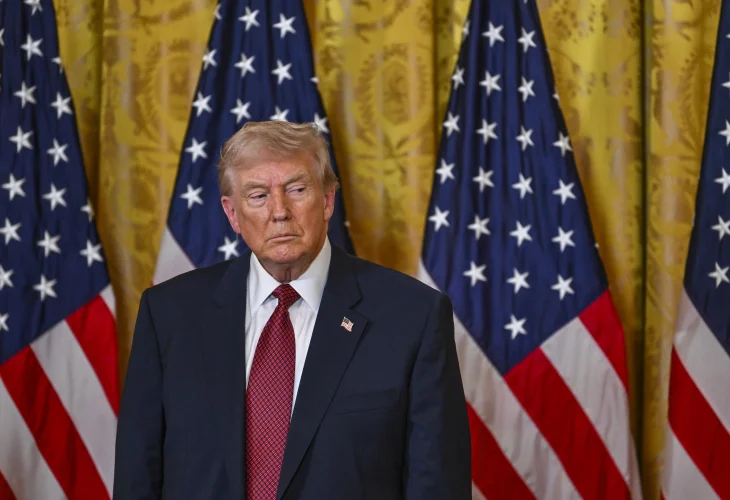 דונלד טראמפ במדיניות בלתי מתפשרת (צילום: לייב אברהמס, פלאש90)
How Is China Responding?
The Chinese Embassy in Washington rejected the accusations and called on the United States to stop, in its words, smearing Chinese companies. It also said that Beijing would take all necessary measures if its interests suffered real harm.
Chinese experts also criticized the decision, arguing that it stems from American fears of losing global technological leadership. According to them, instead of competing through innovation and competition, the United States is choosing to impose new restrictions on Chinese products.
For now, the decision applies to new models that have not yet been approved for sale in the United States, and the FCC nevertheless has the authority to revisit approvals granted in the past and even revoke them if necessary.

