

Health and Nutrition
Walking Faster After 80 May Be Linked to Better Brain Health
New research finds that faster walking in older adults is associated with a lower risk of cognitive decline and better preservation of brain regions involved in memory and learning
- Yitzchak Eitan
- | Updated
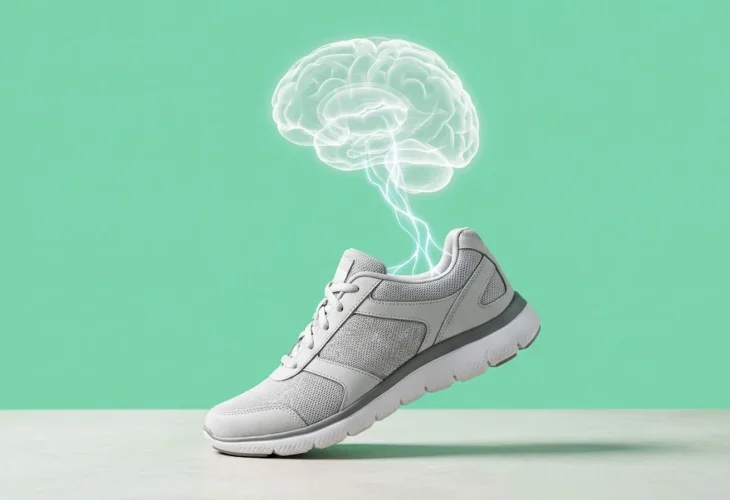
A new study published in the journal Neurology presents intriguing findings about the connection between mobility and brain health later in life. Researchers examined adults aged 80 and older whose walking speed was noticeably faster than average for their age. The analysis, which included approximately 4,000 participants followed over several years, found that these faster walkers had about a 50% lower risk of developing cognitive impairment compared with others. Brain imaging conducted as part of the research also showed better preservation of volume in brain regions associated with learning and memory.
The connection may lie in the fact that walking, although it appears to be a simple activity, requires a remarkably complex level of neurological coordination. The brain must coordinate muscles and nerves, process spatial information, maintain balance, and respond to the surrounding environment, all at the same time.
Dr. Leana Wen, a health expert and professor at George Washington University, cautions that “the study shows an association, not causation.”
In other words, walking quickly may not itself prevent cognitive decline. Instead, a faster walking pace may be an indicator that both the body and brain have remained healthier.
It May Not Be Too Late to Improve
At the same time, experts emphasize that it is never too late to work on improving cardiorespiratory fitness. Another study published in March in the journal Geriatrics found that 45% of adults aged 65 and older were able to improve their physical or cognitive functioning over time.
For those looking to improve their fitness, experts recommend beginning with short walks and gradually increasing both pace and distance. Walking should ideally be part of a balanced lifestyle that also includes muscle-strengthening exercise, a healthy diet rich in vegetables, fruits, whole grains, and legumes, sufficient sleep, and maintaining social connections.
Small Improvements Can Make a Difference
According to Dr. Wen, “The greatest benefit occurs when people go from no or very little activity to doing a little more. Every small improvement helps.”
A sudden decrease in walking speed, however, may warrant a conversation with a doctor. Older adults who have not exercised regularly or who have chronic medical conditions should also consult a healthcare professional about the type and level of physical activity that is appropriate for them.

