

Home Styling
How to Keep Black Clothes From Fading: 13 Simple Laundry Tips
Keep your favorite black clothes looking darker for longer with practical tips for washing, drying, stain removal, and storage, plus what you can do when fading has already begun
- Shira Dabush
- | Updated
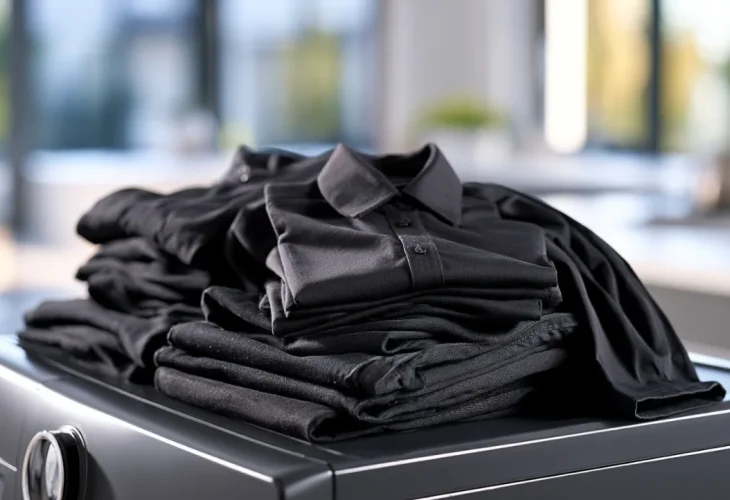
There is something particularly frustrating about a black garment that begins to fade. It can be completely intact, without stains or tears, yet still look old simply because its deep black color has gradually turned gray.
It is impossible to prevent fading completely. Fabric dyes naturally wear down over time due to washing, friction, detergents, heat, and exposure to light. But until that happens, there are several things you can do to slow the process, sometimes significantly.
1. Turn Clothes Inside Out Before Washing
During the wash cycle, clothes rub against one another and against the walls of the washing machine drum. Turning garments inside out means that much of this friction and wear occurs on the side that is less important visually.
This habit is especially useful for black jeans, printed shirts, sweatshirts, and dark pants.
2. Don’t Wash Them Unless They Really Need It
One of the most effective ways to preserve black clothing is simply to wash it less often. Every wash cycle creates additional friction, which contributes to wear.
In other words, clothes that were worn briefly and did not become dirty do not necessarily need to go straight into the washing machine.
3. Cold Water Is a Friend to Black Clothing
Heat can accelerate wear and fading in certain fabrics and dyes. Unless the garment’s care instructions say otherwise, choose a cold or low-temperature wash.
4. Separate Black Clothes From Whites
We are accustomed to separating colors so that a white shirt does not come out pink, but sorting laundry is also important for preserving the appearance of dark clothing.
Whenever possible, wash black and dark garments together rather than mixing them with white towels or light-colored items that produce lint. Tiny white fibers clinging to a black shirt can make it appear faded even when the color itself is still in good condition.
5. Choose a Gentle Cycle When Appropriate
If your clothes are not particularly dirty, there may be no need for a long, aggressive wash cycle. A shorter or gentler program can reduce the amount of time the fabric is exposed to friction inside the machine.
Of course, always match the wash cycle to the type of fabric and how dirty the clothing is. Do not automatically choose a delicate cycle for items that require more thorough cleaning.
6. Don’t Use Too Much Detergent
Using excessive detergent can leave residue on fabric, and that residue is especially noticeable on black clothing. Sometimes what looks like fading is actually a dull layer of detergent residue or mineral buildup.
Use an amount appropriate for the size of the laundry load, how dirty the clothes are, and the hardness of the water in your area.
7. Detergent for Dark Clothing May Help
There are laundry detergents specifically formulated for black and dark clothing. They cannot magically restore color that has already been lost, but some are designed to clean clothes while minimizing the appearance of fading.
8. Don’t Overload the Washing Machine
The thought, “The machine is running anyway, so I might as well add two more pairs of pants,” can work against you.
An overloaded drum does not allow the clothes and water to move as effectively and can interfere with proper rinsing.
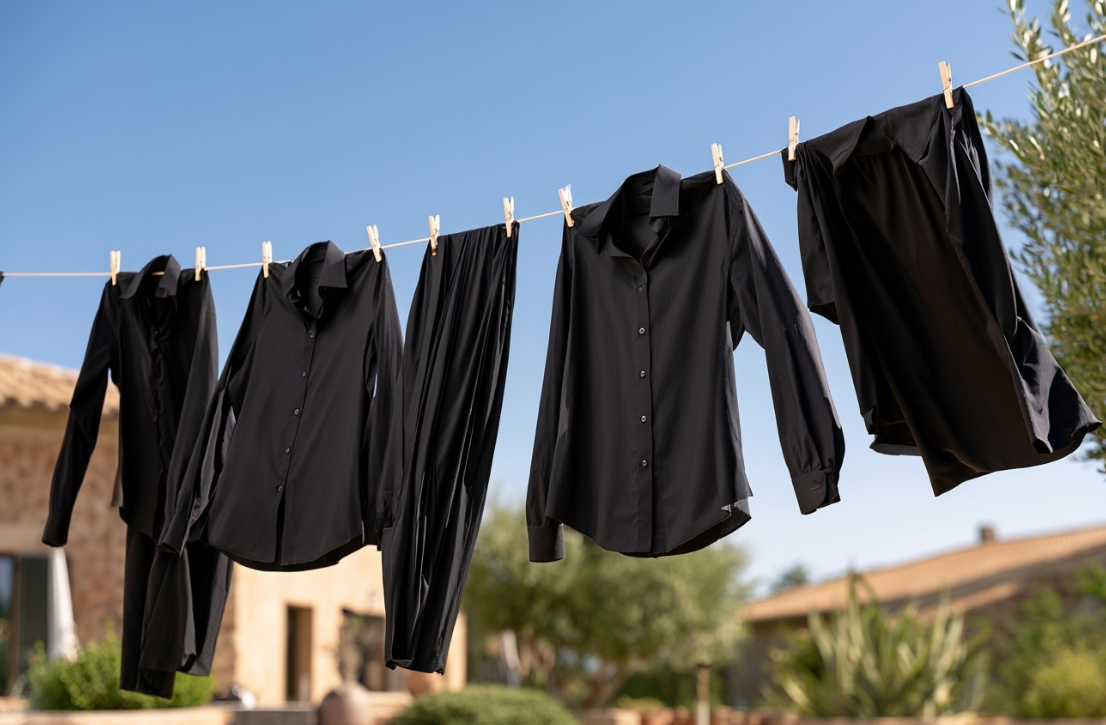
9. Sunshine Is Wonderful, but Not for Black Clothing
Direct sunlight can contribute to color fading. If you want to preserve a deep black color, it is better to dry dark clothing in the shade or in a well-ventilated area that is not exposed to strong sunlight for hours.
If you hang black clothes outdoors, you can also turn them inside out so that the inner surface receives more of the direct light.
10. What About the Dryer?
High heat is not ideal for many types of clothing, especially when the goal is to minimize wear and preserve their appearance for as long as possible.
If the care label allows tumble drying, choose a lower heat setting when possible and remove the clothes once they are dry rather than continuing the cycle unnecessarily.
For delicate clothing or favorite black garments that you particularly want to preserve, air-drying according to the manufacturer’s instructions may be the better choice.
11. Don’t Leave Black Clothes Sitting in the Washing Machine for Hours
When the wash cycle is finished, take the clothes out.
Leaving wet, crumpled laundry sitting in the drum does not benefit the fabric and can also lead to unpleasant odors. Gently shake out the garments and hang them or transfer them to the dryer according to their care instructions.
12. Be Careful With Stain Removers and Bleaching Agents
A small stain on a black shirt can turn into a large pale patch if you use a product that is not suitable for dark colors.
Before using a stain remover, make sure it is safe for colored and dark fabrics and test it on an inconspicuous area first. Products containing bleaching agents can remove or alter the fabric’s color. Aggressively scrubbing a stain can also leave behind a lighter, worn-looking patch.
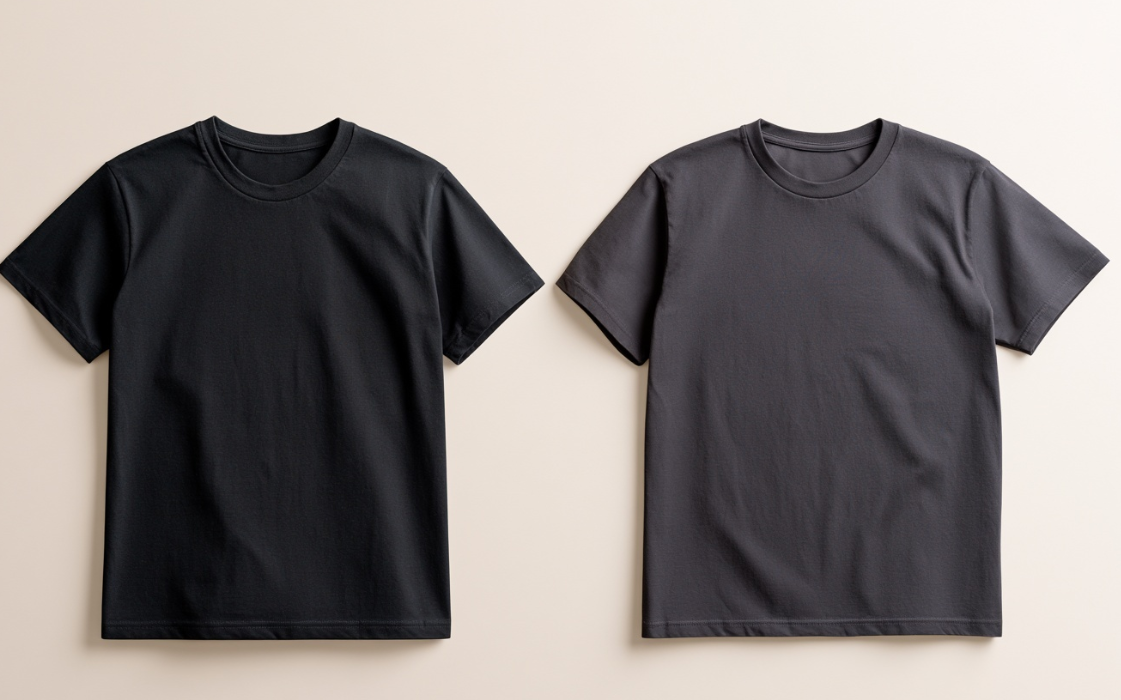
13. Store Black Clothing Away From Direct Sunlight
Even clothes you are not wearing can fade if they are stored for long periods in strong sunlight.
If, for example, you have an open clothing rack facing a window, you may eventually discover that the side exposed to the sun has become lighter. A closed closet or shaded storage area is preferable, particularly for dark garments you hope to preserve for years.
What If the Clothing Has Already Faded?
Once the dye itself has worn away, proper washing cannot recreate the pigment that has been lost. Some garments can be refreshed using textile dye, but it is essential to check the fabric composition first.
Cotton and synthetic fibers, for example, may require different types of dye. Seams, zippers, printed designs, and sections made from different materials may also absorb dye differently.
If the garment is expensive or especially meaningful to you, it is best not to experiment with dyeing it until you have checked both the fabric composition and the dye manufacturer’s instructions.

