

Health and Nutrition
How to Prepare for the Tisha B’Av Fast
Practical nutrition and hydration tips to help reduce hunger and thirst during the Tisha B’Av fast, plus the best foods to eat before the fast and how to break it safely
- Hidabroot
- | Updated
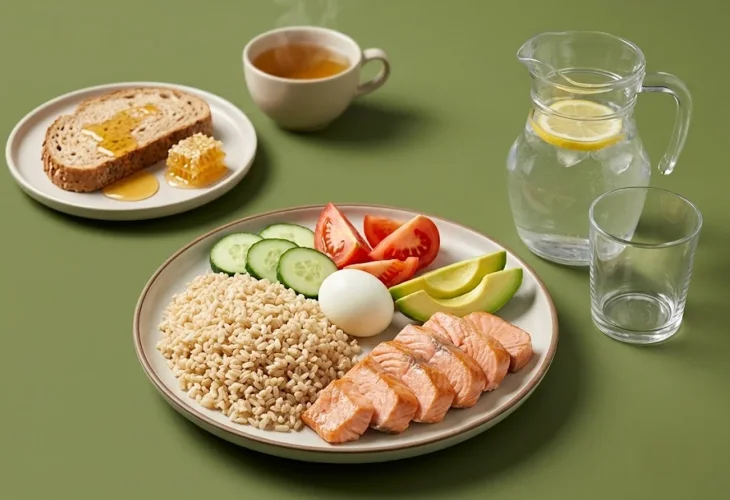
The fast of Tisha B’Av places a significant physical strain on the body, but proper nutrition and hydration in the hours leading up to the fast can make a noticeable difference. Following a few simple guidelines can help reduce hunger, thirst, and weakness and make the fast easier to manage.
Start Preparing Early
Preparation for the fast should begin in the morning, rather than waiting until the final pre-fast meal. A balanced meal earlier in the day should include whole grains, protein, and healthy fats. Good choices include whole wheat bread, cheese, eggs, and avocado.
Eating properly throughout the day can also help prevent arriving at the final meal excessively hungry, which may lead to overeating and greater discomfort during the fast.
Hydration Is the Top Priority
Perhaps the most important part of preparing for the fast is drinking enough water. Aim to drink at least eight to ten glasses of water gradually from the morning until the fast begins.
Spreading your water intake throughout the day allows the body to hydrate more effectively and can help reduce the risk of dehydration. Carbonated drinks, sweetened juices, and beverages high in caffeine are best avoided, as they may contribute to increased thirst.
What to Eat at the Pre-Fast Meal
The final meal before the fast should be filling and nutritious without being overly heavy. Include plenty of fresh or cooked vegetables, which provide both fiber and water.
For the main course, choose a lean source of protein, such as chicken or low-fat beef patties, together with a complex carbohydrate such as brown rice, buckwheat, or whole wheat noodles. Combining whole grains with protein can help provide sustained energy and keep you feeling satisfied for longer.
Foods to Avoid Before the Fast
Processed, fried, heavily seasoned, and very fatty foods are best avoided before a fast. Fatty meats, deli meats, salty pastries, and other foods high in sodium may increase thirst and leave you feeling uncomfortable.
It is also advisable to limit both salt and sugar. For dessert, fresh fruit is an excellent choice. Its natural water and fiber content make it preferable to sugary desserts, which can cause a rapid rise and subsequent drop in blood sugar.
How to Break the Fast
When Tisha B’Av ends, resist the temptation to immediately eat a large meal. After many hours without food or water, it is better to allow the digestive system to return to normal gradually.
Begin by slowly drinking a glass of water or lukewarm tea. After a few minutes, eat a small, easily digested source of carbohydrates, such as a slice of bread with jam or honey, to provide the body with readily available energy.
About 45 minutes to an hour later, you can have a full, balanced meal containing protein, a complex carbohydrate, and vegetables. Returning to food gradually can help the body recover more comfortably after the fast.

