

World News
U.S.-Canada Trade Showdown Escalates as 50% Tariffs Take Effect
The United States has begun imposing 50% tariffs on Canadian products after trade talks in Washington collapsed without a deal. Canada has suspended negotiations and promised an equal response, as both sides trade blame for the breakdown.
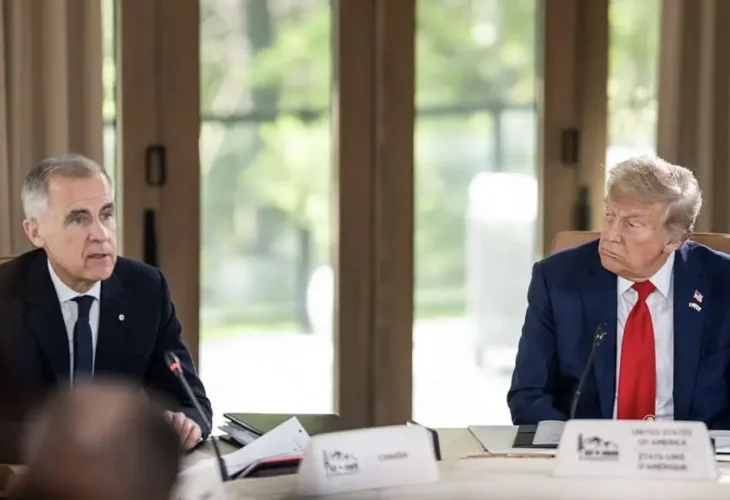 Trump and Carney (Photo: The White House)
The trade dispute between the United States and Canada is escalating: The U.S. administration has begun imposing 50% tariffs on a range of products imported from Canada, totaling about $20 billion. The move took effect after three days of intensive talks in Washington ended without an agreement and with both countries blaming each other.
Following the collapse of the talks, Canadian Prime Minister Mark Carney announced that trade negotiations would be suspended and that the Canadian delegation would return from Washington. At the same time, he made clear that his government intends to respond to the American tariffs with retaliatory measures of equal scope, "dollar for dollar."
Carney added: "Our representatives worked hard and in good faith to protect the interests of Canadian citizens until the very last moment. But last-minute changes to the terms proposed by the United States were unfair, uneconomical, and damaged the credibility of any future agreement."
Carney, who previously served as governor of the central banks of Canada and Britain, was elected last year after promising to stand up to U.S. President Donald Trump. According to Reuters, polls in Canada indicate that most of the public opposes making concessions to the American president.
In Washington, however, officials are placing responsibility for the failed talks on Canada. The U.S. trade representative claimed that Ottawa backed away from understandings that had already been reached: "Canada refused to sign the agreement under terms that had already been agreed upon earlier this week. It is a missed opportunity for it to join the United States, the fastest-growing economy in the G7."
A senior Trump administration official said that the proposal on the table would have given Canada the best tariff terms among major exporters to the United States. According to the official, the Canadian side continued to demand additional concessions, mainly on issues involving steel, aluminum, vehicles, and construction lumber. At this stage, the official added, no additional round of talks between the countries is planned.
The breakdown came just when it appeared that the two sides were nearing an agreement. For three days, the U.S. representative and Canada's minister responsible for trade with the United States, Dominic LeBlanc, held negotiations in Washington. Only hours before the talks collapsed, it appeared that they could reach a deal that would reduce tariffs on steel, aluminum, and cars, and even allow American alcoholic beverages to return to store shelves in Canada.
The tariffs that have taken effect apply to a broad range of Canadian products, including furniture, wine, dairy products, cement, clothing, fishing equipment, and hockey gear, including wooden ice hockey sticks.
The goods affected by the move account for only about 5% of Canada's total exports to the United States, so the tariffs are not expected to cripple the Canadian economy as a whole. Still, trade experts warn that the impact could be especially severe in certain sectors, potentially leading to business closures and job losses.

