

Main Course Recipes
A Chef’s Warning: This Common Mistake Is Ruining Your Pasta
Want silky, restaurant-style pasta at home? A top chef reveals two common mistakes that can keep sauce from coating your noodles properly.
- Yitzchak Eitan
- | Updated
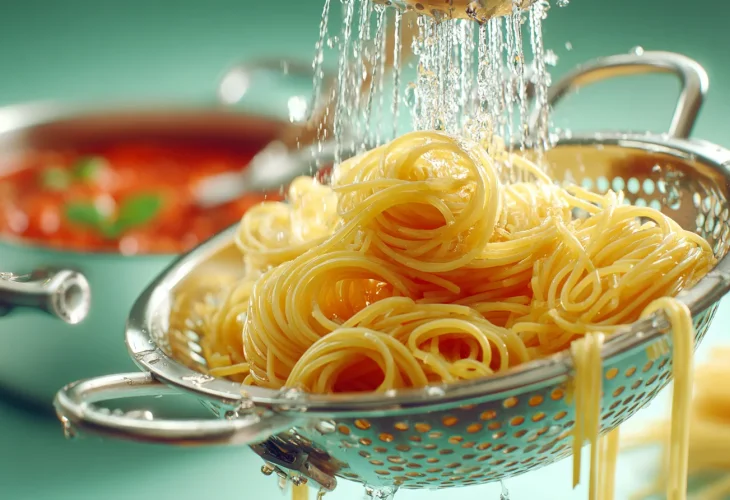
Pasta is one of the easiest and most beloved meals to make, but even a perfectly cooked pot can go wrong in the final few minutes. According to one acclaimed chef, two common habits could be keeping your homemade pasta from achieving that silky, restaurant-style finish.
Chef Joe Frillman, a James Beard Award nominee and Chicago restaurateur, points to two mistakes many home cooks make after the pasta has finished cooking. Fortunately, both are incredibly easy to fix.
Mistake #1: Rinsing Your Pasta
One of the most common mistakes is rinsing freshly cooked pasta under cold water after draining it. Some people do this to stop the cooking process, cool the noodles, or prevent them from sticking together.
But Frillman recommends skipping this step.
“One of the biggest mistakes people make with pasta is rinsing it,” he says.
The reason is starch. As pasta cooks, starch is released onto the surface of the noodles. That thin, starchy coating helps sauce cling to the pasta rather than sliding off or collecting at the bottom of the bowl.
Rinsing the noodles washes much of that starch away, making it harder for the pasta and sauce to come together properly.
Instead, drain the pasta well and move it directly into the sauce. If you are not serving it immediately, tossing it with a small amount of olive oil can help reduce sticking, although this is generally unnecessary when the pasta is going straight into the sauce.
Mistake #2: Throwing Away All the Pasta Water
That cloudy water left behind in the pot may not look particularly valuable, but pouring all of it down the drain is another mistake.
“Always save some of the pasta water before you drain it,” Frillman recommends.
Because the water contains starch released by the pasta during cooking, adding a small amount to the sauce can help bring its ingredients together and create a smoother consistency.
“At our restaurant, we use the starch-rich water and add it back to the pan while finishing the pasta,” Frillman explains. “It helps thin out and bring together the sauce, creating a silky texture that evenly coats every noodle.”
Before draining your pasta, reserve about one to two cups of the cooking water. You probably will not need all of it. Add a little at a time as you toss the pasta with the hot sauce, allowing the noodles to finish cooking in the pan.
The starchy water can help the liquid and fat in the sauce come together, creating a glossy, velvety texture that coats the pasta more evenly.
The difference between good homemade pasta and a restaurant-style bowl does not necessarily require expensive ingredients or complicated techniques. Simply skip the rinse, save some of that cloudy cooking water, and finish the pasta directly in the sauce. Those two small changes can make a surprisingly big difference.

