

World News
Could Syria Offer a Way Around the Strait of Hormuz Oil Crisis?
Syria is promoting an overland route and oil pipeline from the Gulf to the Mediterranean that could reduce reliance on the Strait of Hormuz. The U.S. is increasing maritime security in the region, while Trump is considering declaring an end to the war.
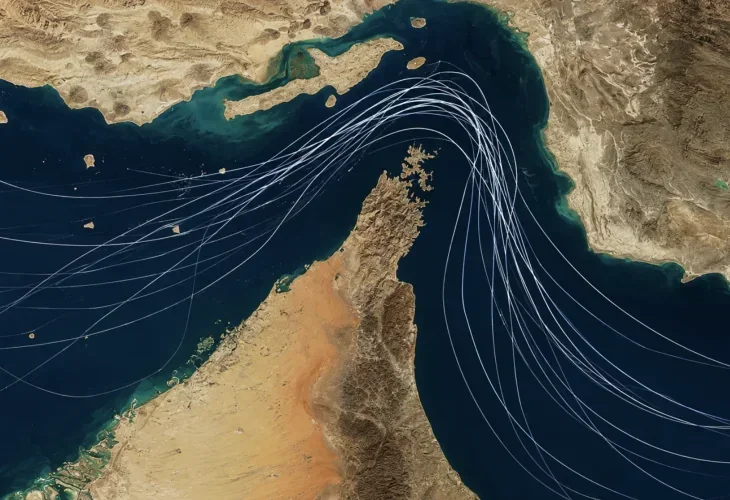
Amid disruptions to ship traffic in the Strait of Hormuz and efforts to ensure the continued flow of oil from the Gulf, Syria is seeking to position itself as an alternative route connecting the region to the Mediterranean. According to a report published today (Thursday) in The Washington Post, about 5,000 oil trucks travel through Syrian territory each day, making their way from the desert toward the port of Baniyas.
Alongside the overland route, an even more ambitious plan is being advanced: the construction of an oil pipeline linking Basra in Iraq with Baniyas on Syria’s coast. The administration of U.S. President Donald Trump supports the move, which is expected to be led by the energy corporation Chevron. According to the plan, the pipeline could carry about 2 million barrels of oil per day, and its construction cost is estimated at roughly $5.7 billion.
Tom Barrack, the U.S. special envoy to Syria, addressed the project’s potential strategic significance, arguing that moving it forward could turn the Strait of Hormuz into a "secondary route." At the same time, officials in Damascus are also promoting the restoration of the Ottoman railway connecting Turkey and Saudi Arabia, intending to create another alternative to trade routes that pass through the Red Sea and the Suez Canal. Among the main challenges facing these plans are the state of the infrastructure, some of which has been destroyed, the presence of militias in the relevant areas, and the lack of security along the planned routes.
Efforts to create overland alternatives are taking place as the U.S. increases its military activity in the Strait of Hormuz region. According to a CNN report, the U.S. military escorted 40 commercial vessels carrying a combined 18 million barrels of oil through the strait, the largest amount to pass under such an escort since the war began. Alongside the maritime activity, U.S. forces struck about 60 Iranian targets in the area around the strait.

