

Naturopathy and Natural Medicine
Love It or Hate It: 8 Reasons to Add Fennel to Your Diet
Discover why fennel deserves a place in your diet, from supporting healthy digestion and blood pressure to promoting skin health, boosting nutrient intake, and helping with weight management
- Shira Priant
- | Updated
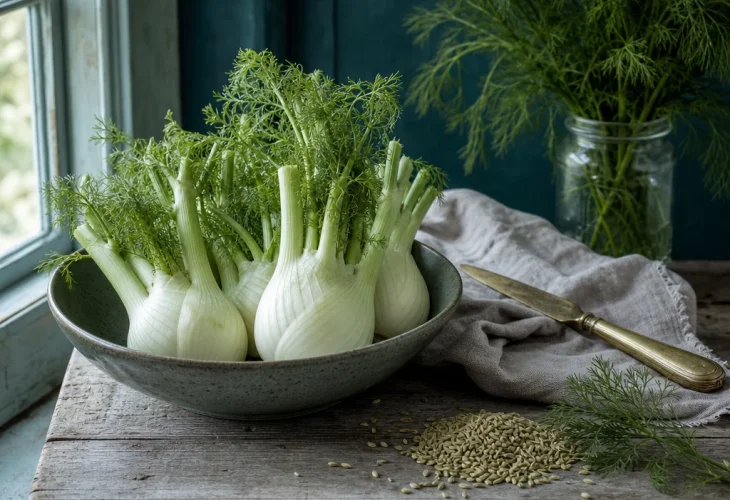
Winter is almost here, and with it comes fennel season. Fennel is one of those vegetables that tends to divide opinions. You either love its distinctive flavor or can't stand it. But before you dismiss it altogether, it's worth knowing that fennel offers numerous health benefits and makes a wonderful addition to fresh salads, cooked dishes, and soups.
Following are eight reasons to consider adding fennel to your diet.
1. Helps Lower Cholesterol
Fennel is a good source of dietary fiber, which can help support healthy cholesterol levels. Fiber plays an important role in heart health, and including fiber-rich vegetables like fennel in your diet may contribute to lowering blood cholesterol.
2. Supports Healthy Digestion
Fennel is well known for its digestive benefits. Traditionally, it has been used to relieve stomach discomfort, reduce intestinal spasms, and ease gas, bloating, and constipation. Its natural compounds may help relax the muscles of the digestive tract, supporting more comfortable digestion.
3. Helps Regulate Blood Pressure
Fennel contains potassium, an essential mineral that helps the body eliminate excess sodium through urine. This process supports healthy blood pressure levels and contributes to cardiovascular health.
4. Promotes Healthy, Radiant Skin
Fennel contains beta-carotene, which the body converts into vitamin A, as well as vitamin C. These nutrients play important roles in maintaining healthy skin.
Vitamin C is particularly important for collagen production, which helps maintain skin firmness and elasticity, while also supporting the body's natural tissue repair processes.
5. Supports the Immune System
Fennel contains vitamin C, an important nutrient for immune function. A serving can provide approximately 20% of the recommended daily intake, depending on portion size and nutritional reference values.
Including fennel in a balanced diet can help support the body's natural defenses.
6. May Support Breast Milk Production
Fennel has traditionally been regarded as a food that may encourage breast milk production in nursing mothers.
However, scientific evidence supporting this benefit remains limited. Concentrated fennel preparations and supplements should be used cautiously during breastfeeding, as their safety and effectiveness are not well established.
7. Helps With Weight Management
Fennel is naturally low in calories, making it an excellent addition to a balanced diet. An 80-gram serving contains relatively few calories while providing fiber, which may help promote feelings of fullness.
Some research has also explored whether fennel seeds can help suppress appetite. In one small study, women who drank 250 milliliters of tea containing two grams of fennel seeds before lunch reported feeling less hungry and consumed fewer calories during the meal.
Although these findings are promising, more research is needed to establish whether fennel has a meaningful effect on appetite or long-term weight management.
8. Contains Antioxidants That May Help Protect Cells
Fennel contains antioxidants that help protect the body's cells from free radicals and oxidative damage.
Because oxidative stress is associated with several chronic diseases, including certain cancers, antioxidant-rich foods can play a valuable role in a healthy diet. However, there is currently insufficient evidence to conclude that eating fennel itself prevents or treats cancer.
A Simple Vegetable With Plenty to Offer
Whether you enjoy it raw in a crunchy salad, roasted alongside other vegetables, or simmered in a comforting winter soup, fennel is a versatile and nutritious addition to your meals.
Its combination of fiber, vitamins, minerals, and antioxidants makes it worth including in a varied, balanced diet.
Even if its distinctive anise-like flavor hasn't appealed to you in the past, experimenting with different cooking methods might just change your mind.

