

Focus and Concentration
Always Forgetting Things? 4 Simple Tricks to Improve Your Memory
Always forgetting where you put things or whether you locked the door? Discover 4 simple memory tricks that can make everyday life easier.
- Shira Dabush
- | Updated
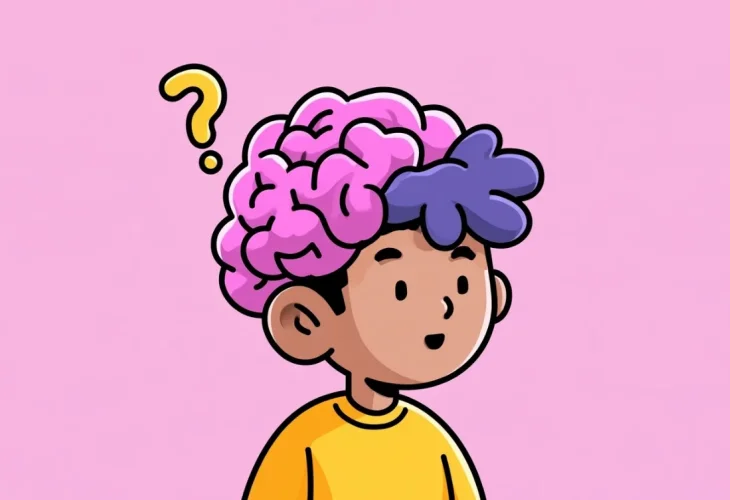
Have you ever left the house, walked halfway down the stairs, and suddenly wondered whether you locked the front door? Or found yourself standing in the kitchen with absolutely no idea why you went there?
With busy schedules, endless responsibilities, and dozens of little things competing for our attention, these everyday memory lapses can feel all too familiar. Sometimes we forget what we came to buy at the grocery store. Other times, we can't remember whether we turned off the stove or where we put our keys.
Fortunately, there are simple ways to make everyday information easier to remember. Memory experts featured in The Washington Post recommend four practical techniques that use imagination, sound, and familiar surroundings to help important details stick.
1. Create a Funny Mental Image
One reason we forget routine actions is that they all start to blend together. Locking the door today feels almost identical to locking it yesterday, making it difficult to remember one particular moment.
A simple way to make an action more memorable is to associate it with an unusual mental image.
For example, when turning off the stove, imagine a tiny elephant wearing a chef's apron and switching off the burner with its trunk. The image might sound ridiculous, but that's exactly the point. Strange, exaggerated images are often easier to remember than ordinary ones.
The important thing is to create the image while you're actually performing the action. That way, the unusual picture becomes associated with the specific moment.
Of course, imagining the elephant doesn't replace checking that the stove is really off. It's simply a way to help you remember completing the task.
You can also use this technique for things you need to remember later. If you must take an umbrella when leaving home, picture an enormous open umbrella sitting right in the middle of your shoes. When you reach the front door, that mental image may help remind you to grab it.
2. Say What You're Doing Out Loud
Sometimes, remembering something is as simple as saying it aloud.
"I locked the front door."
"I turned off the stove."
"I put my keys in the kitchen drawer."
Speaking these short sentences while performing an action gives your brain another way to register what's happening.
Instead of relying only on the visual memory of completing the task, you're also hearing yourself describe it.
Researchers call this the production effect, a phenomenon in which information spoken aloud can be remembered more easily than information read or processed silently.
Research has also explored how speaking information aloud may support our ability to remember intended actions.
This doesn't mean every sentence you say will automatically become unforgettable. However, deliberately announcing an action can help interrupt the autopilot mode that often makes routine tasks so easy to forget.
The next time you lock the door, try pausing for a second and saying, "I just locked the door." That brief moment of attention may make it easier to remember later.
3. Break Information Into Smaller Groups
Imagine heading to the grocery store with seven things to remember: bread, eggs, tomatoes, yogurt, cucumbers, milk, and apples.
Trying to remember each item individually can be surprisingly difficult, especially when you're distracted.
A memory technique called chunking can make the task easier by organizing information into smaller, meaningful groups.
Instead of remembering seven separate products, divide them into categories:
Bakery: Bread
Dairy and refrigerated items: Milk, yogurt, eggs
Produce: Tomatoes, cucumbers, apples
Now you only need to remember three categories, with the products in each section helping to remind you of the individual items.
You can also organize things according to their purpose, such as breakfast ingredients, baking supplies, or items needed for dinner.
This is similar to the way we remember phone numbers. A long string of digits becomes easier to recall when it's divided into smaller sections.
The key is to choose categories that make sense to you. And if remembering every item is especially important, there's nothing wrong with using a written shopping list.
4. Turn Your Home Into a Memory Palace
The memory palace is a technique that uses familiar locations to help you remember information.
The idea is simple: Choose a route you know well, such as the path from your front door to your kitchen, and mentally place something you want to remember at each stop.
Let's say you need to buy milk, bread, apples, and eggs.
Imagine walking through your home and seeing a giant carton of milk blocking the front door. On the couch, there's an enormous loaf of bread. As you continue down the hallway, apples are rolling across the floor. Finally, when you reach the kitchen, you discover a gigantic egg sitting on the table.
When it's time to remember your shopping list, mentally walk through the same route.
Each familiar location acts as a reminder of the item you've placed there.
The more unusual and vivid the images, the easier they may be to recall. Start with just a few items until the technique feels natural.
Don't Forget: Reminders Are Helpful Too
While these memory techniques can be useful, you don't have to rely on your brain to remember absolutely everything.
Phone reminders, calendar alerts, sticky notes, and shopping lists are all practical ways to reduce the mental effort involved in keeping track of daily responsibilities.
In fact, using external reminders can free up your attention for other things rather than forcing you to remember every small detail.
The four techniques above work by making ordinary information more noticeable. A funny image adds imagination, speaking aloud adds sound, grouping creates structure, and a memory palace connects information to familiar places.
The next time you're about to leave the house, take an extra second to notice yourself locking the door and say it aloud. That tiny habit might be enough to save you from turning around halfway down the street to check.

