

Hot on the Web
Influencer's Bed Sheet Confession Sparks Debate: Here's What Experts Say
An influencer sparked debate after revealing she changes her bed sheets just twice a year. Here's what experts say about how often you should wash yours.
- יצחק איתן
- | Updated
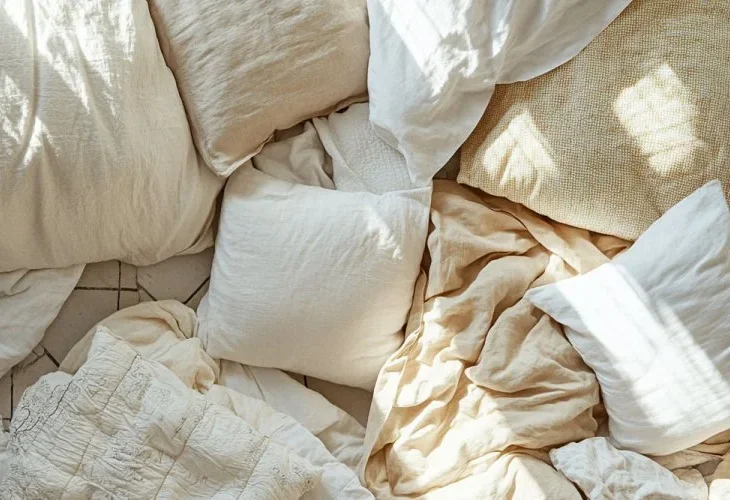
How often do you change your bed sheets? Once a week? Every two weeks? Or perhaps much less frequently?
An unexpected confession from Israeli food blogger and social media personality Chen Koren recently sparked a heated online debate after she revealed that she changes her bed sheets just once every six months.
Koren, who regularly shares glimpses of her everyday life with followers, received a flood of reactions. Some admitted they followed similar habits, while others were shocked by how rarely she washed her bedding.
Her explanation was simple: Everyone in her household showers before getting into bed, so she doesn't see a reason to wash the sheets more frequently.
But does going to bed freshly showered really mean your sheets stay clean for months?
According to health experts, the answer is no.
What Actually Happens to Your Sheets While You Sleep?
Even if you shower immediately before bed, your body continues to release sweat, natural oils, and dead skin cells throughout the night.
Over time, these substances accumulate in your bedding, creating an environment where dust mites can thrive.
Dust mites are microscopic creatures that feed on dead skin cells. Although they don't bite, their waste particles and other allergens can trigger allergic reactions in sensitive individuals.
For people with dust mite allergies, exposure may contribute to sneezing, nasal congestion, itchy eyes, and worsening asthma symptoms.
And dust mites aren't the only concern.
Research published in the Journal of Applied Microbiology examined the buildup of microorganisms on bed sheets used for different lengths of time, ranging from one day to four weeks. The findings indicated that bacteria and fungi can accumulate noticeably after just one week of use.
While the presence of microorganisms doesn't automatically mean your bedding is dangerous, it does demonstrate that sheets continue to collect biological material even when the people sleeping in them practice good personal hygiene.
So, How Often Should You Wash Your Sheets?
For most healthy adults, washing bed sheets every one to two weeks is a reasonable hygiene routine.
However, people with allergies, asthma, or sensitivity to dust mites may benefit from washing their bedding more frequently.
Guidance from U.S. allergy and environmental health organizations generally recommends washing sheets and other washable bedding weekly in hot water to help reduce dust mite allergens. A water temperature of approximately 130°F (54°C), when suitable for the fabric, is commonly recommended for killing dust mites.
More frequent washing may also be helpful for people who sweat heavily at night, share their beds with pets, or are recovering from certain illnesses.
The important thing is to establish a consistent routine that suits your household's needs.
Is Washing Your Sheets Every Six Months Really That Bad?
Although there's no need to panic if you occasionally go a few extra days without changing your bedding, waiting six months is far longer than generally recommended.
During that time, sweat, body oils, skin cells, dust, and allergens can accumulate in the fabric. For people with allergies or respiratory conditions, this buildup may contribute to uncomfortable symptoms and interfere with sleep.
The good news is that keeping your bed clean doesn't require an elaborate routine. Washing your sheets regularly, following the fabric's care instructions, and allowing bedding to dry completely can help maintain a fresher sleeping environment.
The bottom line: Showering before bed is a good hygiene habit, but it doesn't replace washing your sheets. For most people, changing them every one to two weeks is a sensible approach, while those with dust mite allergies may benefit from weekly hot-water washing.
A clean bed isn't just about how your sheets look or smell. It's also about reducing the buildup of allergens and keeping your sleeping environment comfortable.

