

Home Styling
Before You Throw It Away: 5 Tricks for Removing Tough Stains
From red wine to chocolate, discover 5 easy stain removal tricks that could save your favorite clothes and help prevent permanent damage.
- Tehila Cohen
- | Updated
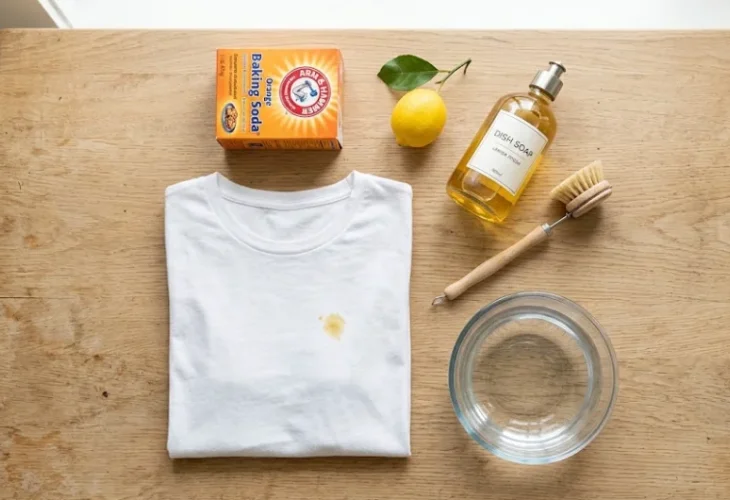
An oil stain on your favorite shirt, red wine spilled on the tablecloth, or chocolate smeared across your child's clothes. We've all been there. Your first instinct might be to rush to the sink and start scrubbing, but that can sometimes make the stain even harder to remove.
The good news is that many common stains can be treated with simple household products, provided you use the right method. Before giving up on a stained garment, try these practical tips for removing five of the most common types of stains.
Before You Start: 3 Important Rules
1. Act quickly. The longer a stain sits, the more difficult it can become to remove. Whenever possible, treat spills as soon as they happen.
2. Blot, don't rub. Scrubbing vigorously can spread the stain and damage delicate fabric fibers. Instead, gently blot the affected area with a clean cloth or paper towel to absorb as much of the spill as possible.
3. Check the care label. Not all fabrics can withstand hot water or strong cleaning products. Always follow the garment's washing instructions and test unfamiliar products on a small, hidden area first.
1. Blood Stains: Always Start With Cold Water
Blood contains proteins that can become more difficult to remove when exposed to heat. That's why cold water is your best starting point.
Rinse the stained area with cold running water, preferably from the back of the fabric, to help flush the blood out rather than push it deeper into the fibers.
Next, apply a small amount of liquid laundry detergent or a suitable stain remover. Let it sit for a few minutes before washing the garment according to its care instructions.
If the blood has already dried, soak the fabric in cold water before treating it. For particularly stubborn stains, 3% hydrogen peroxide may help on certain fabrics, but be sure to test it on a hidden area first, as it can cause discoloration.
2. Oil Stains: Use a Product That Breaks Down Grease
Oil and grease stains can be especially frustrating because they don't dissolve easily in water. Simply tossing the garment into the washing machine may not be enough.
Start by gently blotting away any excess oil. Sprinkle a little cornstarch over the stain and leave it for approximately 10 minutes to help absorb some of the grease. Then carefully brush away the powder.
Apply a small amount of dish soap or liquid laundry detergent formulated to tackle grease. Gently work it into the stain with your fingers and allow it to sit for a few minutes.
Rinse and wash according to the garment's care label. Before putting the item in the dryer, check that the stain has disappeared. Heat can make remaining grease stains much harder to remove.
3. Red Wine Stains: Blot First, Treat Second
A spilled glass of red wine can look disastrous, especially on a white shirt or tablecloth. The pigments in red wine can penetrate fabric fibers quickly, so acting fast makes a difference.
Begin by blotting up as much liquid as possible with a clean cloth or paper towel. Avoid rubbing, which can spread the wine across a larger area.
Rinse the affected area with cold water, then apply a small amount of liquid laundry detergent. If the stain remains, try a stain remover suitable for the fabric and its color.
Does sprinkling salt on red wine actually work? Salt may help absorb some of the liquid while the stain is still wet, but it won't necessarily remove the pigments that have already soaked into the fabric. It's best not to rely on salt alone.
4. Chocolate Stains: Remove the Solids Before Washing
Chocolate stains can be surprisingly stubborn because chocolate contains a combination of fats, sugar, and cocoa pigments.
If there's still chocolate on the garment, carefully lift away the excess with a spoon. Avoid pressing or scraping too hard, as this can push the chocolate deeper into the fabric.
Next, rinse the stain with cold water from the back of the material. Apply a little liquid laundry detergent and let it sit for several minutes before washing as usual.
If you can still see the stain after washing, repeat the treatment rather than putting the garment in the dryer.
5. Makeup Stains: The Right Method Depends on the Product
A foundation mark on a shirt collar or lipstick on a sleeve doesn't necessarily mean the garment is ruined. However, different makeup products require slightly different approaches.
For foundation and lipstick: These products often contain oils and waxes, so a liquid laundry detergent designed to tackle grease may help. Apply a small amount to the stain, let it sit briefly, then rinse gently and wash according to the care label.
For powder and blush: Don't reach for water immediately. First, gently shake or brush away as much loose powder as possible. Adding water too soon can turn the powder into a paste and make the stain more difficult to remove.
Once the excess powder is gone, treat any remaining mark with an appropriate laundry detergent.
What About Old Stains That Won't Come Out?
Discovering a stain that's already dried doesn't necessarily mean you have to throw the garment away.
Start by dampening the affected area and applying a suitable liquid laundry detergent. Allow it to sit before washing the item according to its care instructions.
For particularly stubborn marks, an oxygen-based stain remover may help, provided it's safe for the fabric and color. Always follow the manufacturer's directions, and never mix different cleaning products.
Older stains sometimes require several rounds of treatment, so don't be discouraged if the first wash doesn't remove the mark completely.
The One Laundry Mistake That Can Make Stains Permanent
Even if you've followed every step correctly, there's one common mistake that can undo your hard work: putting a stained garment in the dryer before checking whether the stain is gone.
The heat from a dryer can set certain stains into fabric fibers, making them significantly harder to remove.
Before drying your clothes, inspect the stained area carefully. If a mark remains, repeat the treatment and wash the garment again.
While not every stain can be removed completely, knowing which cleaning method to use and acting quickly can make a big difference. With a little patience and a few everyday household products, you may be able to save clothes you thought were ruined.

