

Home Styling
Why Do Your Houseplants Keep Dying? 4 Common Mistakes to Avoid
Before giving up on a dying houseplant, try these 4 easy care tips to improve its growing conditions and help it thrive.
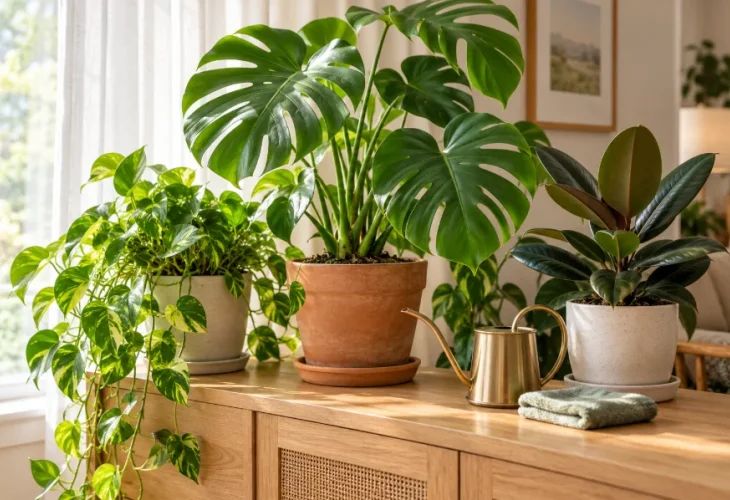
You bring home a beautiful, healthy green plant, find the perfect spot for it, and carefully follow the watering instructions. But a few weeks later, its leaves start turning yellow, drooping, or falling off. What went wrong?
Keeping houseplants healthy isn't always as simple as watering them regularly. Too much water, insufficient sunlight, or even the wrong location can cause a plant to struggle.
The good news is that a few simple changes to your care routine can make a big difference. Here are four practical tips to help your indoor plants stay healthy and thrive.
1. Water Your Plants Only When They Need It
One of the most common houseplant mistakes is watering too frequently. Different plants have different needs, and the amount of water they require can change depending on the season, temperature, and humidity.
Instead of following a strict watering schedule, check the soil first. Push your finger about one or two inches into the potting mix to see whether it still feels moist.
If the soil has dried to the level appropriate for that particular plant, it's time to water. Keep in mind that cacti and succulents generally need their soil to dry out more thoroughly between waterings than many tropical houseplants.
When watering, pour slowly until water begins to flow through the drainage holes at the bottom of the pot. Then empty any excess water from the saucer or decorative planter to prevent the roots from sitting in water.
And remember, yellow leaves don't always mean a plant is thirsty. Overwatering can cause yellowing leaves too, so it's important to check the soil before adding more water.
2. Find the Right Spot in Your Home
Not every houseplant thrives in the same lighting conditions.
Some plants prefer bright, indirect sunlight, while others can tolerate lower light levels. Placing a plant in a dark corner or directly beside a sunny window without considering its needs can lead to problems.
Before choosing a location, check the plant's specific light requirements. Bright, indirect light generally means a well-lit area where the plant isn't exposed to harsh direct sunlight.
It's also worth remembering that lighting conditions change throughout the year. A spot that works perfectly in summer may receive much less natural light during winter.
Avoid placing sensitive plants directly against hot window glass or in the path of air conditioning and heating vents, where sudden temperature changes and dry air can cause stress.
3. Keep the Leaves Clean and Check for Pests
Dust can accumulate on houseplant leaves over time, reducing the amount of light that reaches their surfaces.
For plants with smooth leaves, gently wipe away dust using a soft, damp cloth. Support each leaf with your other hand to avoid damaging it.
Plants with fuzzy or delicate leaves may be better cleaned using a soft, dry brush.
Cleaning is also a good opportunity to inspect your plants for early signs of trouble. Look for fine webbing, sticky residue, unusual spots, or tiny insects on the leaves and stems.
Spotting these changes early can help you address pest problems before they spread to other plants.
4. Set Aside One Day a Week for Plant Care
You don't need to spend hours caring for your houseplants, but checking on them regularly can help prevent small problems from becoming bigger ones.
Choose one day each week to go around your home and inspect your plants.
Check the soil moisture, remove dead or dried leaves, look for signs of pests, and make sure each plant is getting enough light.
The important thing is to check your plants weekly, not necessarily water them weekly. Some may need water, while others will be perfectly fine for several more days.
This simple routine can help you become more familiar with each plant's needs and notice changes before they become serious.
The Secret to Healthier Houseplants
Keeping indoor plants healthy isn't about watering them constantly or following a complicated routine. It's about understanding what each plant needs and paying attention to how it responds.
A little less water, a brighter location, or a few minutes of regular maintenance may be all it takes to help a struggling plant recover.
Before giving up on a wilting houseplant, take a closer look at its soil, light, and surroundings. Sometimes, the smallest adjustment can make the biggest difference.

